Why Global Retail Giants are Pivoting to Rattan and Bamboo Homeware?

KEY TAKEAWAYS:
- Global retail giants are shifting to rattan and bamboo homeware to meet strict corporate ESG mandates and satisfy the surging consumer demand for eco-friendly, biophilic designs.
- Rapidly renewable natural fibers like rattan, bamboo, seagrass, and water hyacinth offer exceptionally low carbon footprints and superior circular economy advantages compared to plastics.
- Compliance with international standards including BSCI, SMETA, SCAN, and ISO 9001:2015 has become a non-negotiable requirement for suppliers entering enterprise retail supply chains.
- The future of green homeware relies on hybrid material innovation, combining natural fibers with durable acacia wood, pine, or recycled PP/PE resins for long-lasting utility.
EXECUTIVE SUMMARY: THE SUSTAINABLE SHIFT IN GLOBAL HOMEWARE
As environmental regulations tighten and consumer preferences undergo a seismic shift, global retail giants are re-evaluating their supply chains. The transition from synthetic plastics to natural, renewable materials is no longer just a marketing strategy; it is a core business imperative. This trend report explores why leading multinational retailers are increasingly sourcing rattan, bamboo, and other natural fiber homeware. It highlights how these eco-friendly materials meet the rigorous demands of modern ESG frameworks while satisfying the aesthetic desires of contemporary consumers.
THE CURRENT LANDSCAPE: ESG MANDATES AND CONSCIOUS CONSUMERISM
Today's retail landscape is shaped by two powerful forces: stringent environmental regulations and the rise of the conscious consumer. Governments worldwide are enforcing strict sustainability laws, such as the EU Deforestation Regulation (EUDR) and mandatory ESG disclosures. Simultaneously, global buyers and interior designers face a market where consumers actively seek out products that align with a low-impact lifestyle.
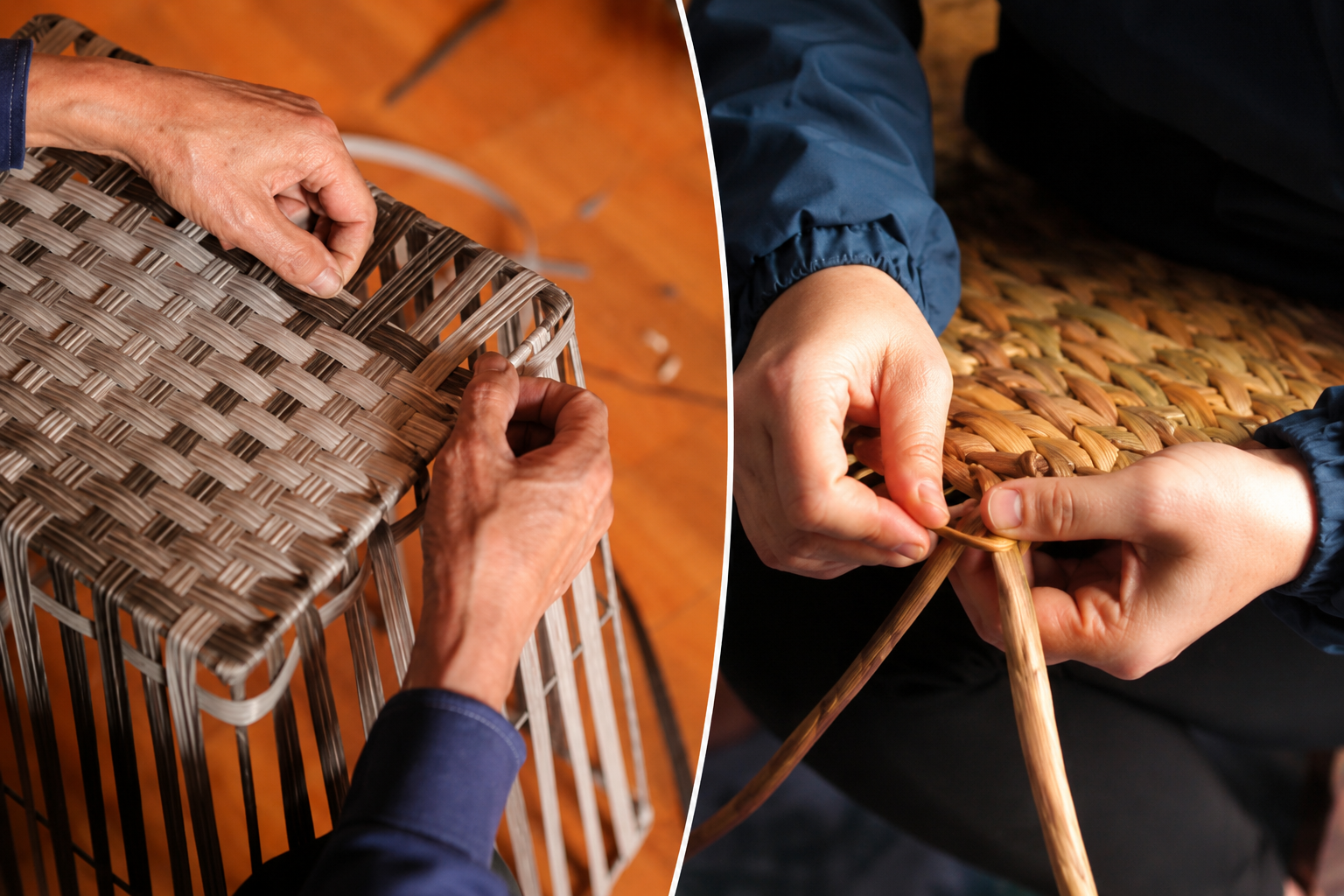
In response, category managers at top-tier retail chains are phasing out virgin plastics. They are replacing them with rapidly renewable natural fibers. Handwoven storage solutions, laundry hampers, and home accessories are leading this transition, serving as highly visible indicators of a brand's commitment to sustainability.
KEY DRIVERS: WHY RATTAN AND BAMBOO DOMINATE RETAIL PORTFOLIOS
Rattan and bamboo have emerged as the materials of choice for global homeware portfolios. This dominance is driven by several critical advantages:
1. Unmatched Ecological Sustainability
Unlike hardwoods that take decades to mature, bamboo is one of the fastest-growing plants on Earth, reaching maturity in just three to five years. Rattan, a climbing palm, grows rapidly in tropical rainforests and encourages the preservation of existing forest canopies. Both materials act as highly effective carbon sinks, making them exceptionally low-carbon alternatives to synthetic materials.
2. Compliance and Ethical Sourcing
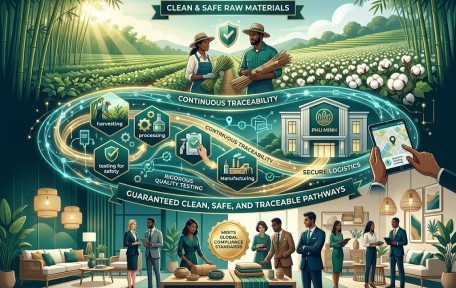
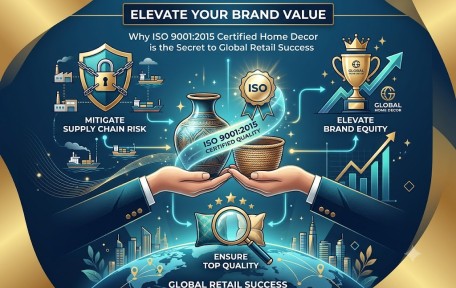
Enterprise retailers require absolute transparency and ethical compliance across their supply chains. Sourcing natural homeware from certified manufacturers who adhere to international standards—such as BSCI, SMETA, SCAN, and ISO 9001:2015—ensures that products are produced under fair labor conditions, with top-tier quality management and robust supply chain security.
3. Aesthetic Versatility and Biophilic Design
Modern interior design heavily features biophilic elements—bringing the outdoors inside. Rattan, bamboo, seagrass, and water hyacinth offer warm, organic textures that complement contemporary, minimalist, and bohemian aesthetics. Furthermore, these materials can be seamlessly blended with acacia wood, pine, paper cords, or recycled PP/PE resins to create durable, high-performance hybrid designs.
FUTURE OUTLOOK: THE NEXT DECADE OF GREEN LIVING AND CIRCULAR DESIGN
The future of the green homeware industry lies in circular product design and material innovation. Over the next decade, we expect to see a deeper integration of natural fibers with recycled and weather-resistant elements. This evolution will allow retailers to expand their sustainable offerings from indoor storage furniture to outdoor living accessories.
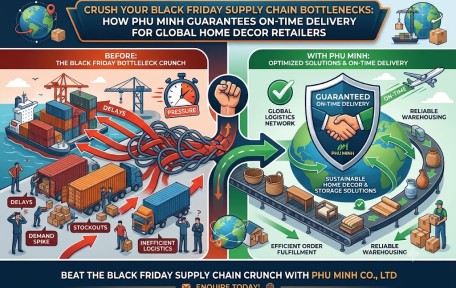
Additionally, forward-thinking manufacturers are optimizing their logistics and packaging. By designing stackable, flat-pack, or nested storage baskets and laundry hampers, they significantly reduce shipping volumes and associated carbon emissions, creating a truly green end-to-end supply chain.
STRATEGIC RECOMMENDATIONS FOR B2B SOURCING DIRECTORS
To successfully navigate this sustainable transition, global buyers and sourcing directors should implement the following strategies:
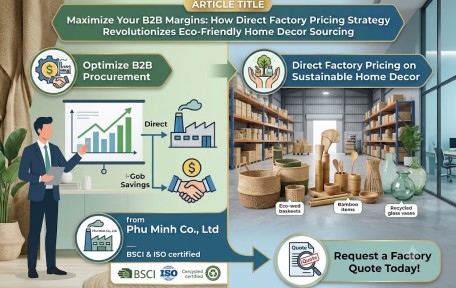
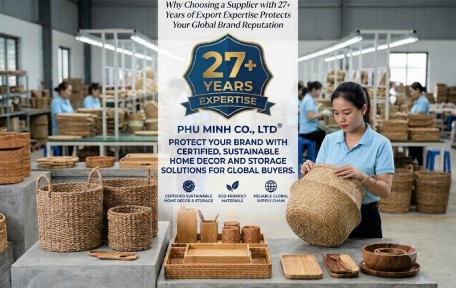
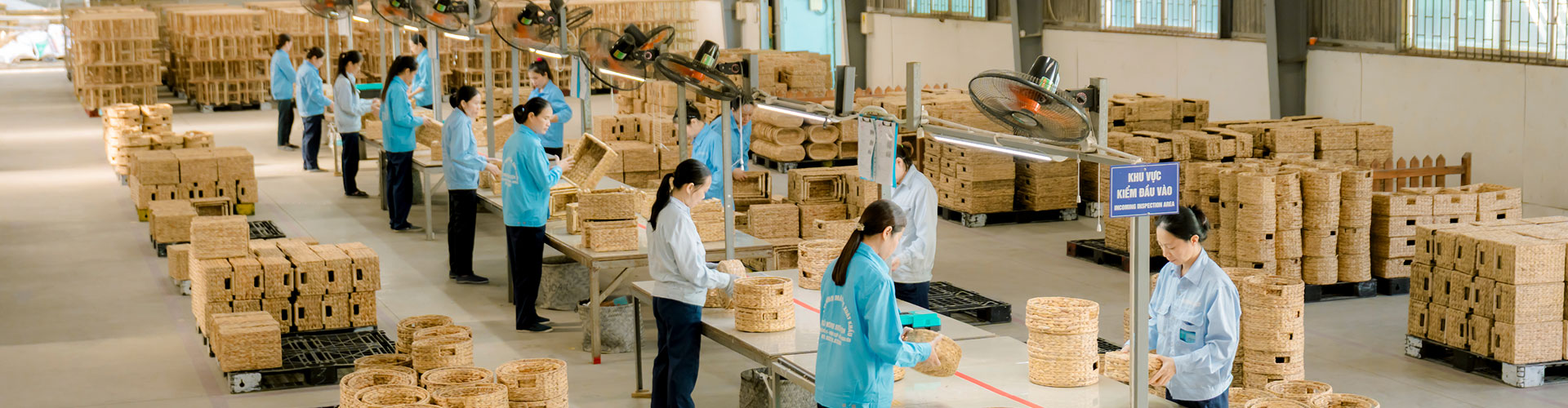
- Partner with Certified Manufacturers: Mitigate compliance risks by partnering exclusively with manufacturers like Phu Minh Co., Ltd, who maintain rigorous international certifications (BSCI, SMETA, SCAN, ISO 9001:2015).
- Diversify Material Mixes: Introduce hybrid products that combine the natural beauty of seagrass and rattan with the structural durability of metal frames, acacia wood, or eco-friendly polyester/cotton ropes.
- Optimize Packaging for Logistics: Collaborate with suppliers during the product development phase to design nested or collapsible storage solutions, maximizing shipping efficiency and reducing freight costs.
FAQ SECTION:
1- Why are retail giants prioritizing natural fibers like rattan and bamboo over synthetic materials?
Retailers are prioritizing natural fibers to comply with global ESG regulations, reduce their carbon footprint, and satisfy the growing consumer demand for eco-friendly, biophilic home decor. Rattan and bamboo are rapidly renewable resources that biodegrade naturally.
2- What certifications should B2B buyers look for when sourcing sustainable homeware?
Buyers should look for manufacturers with recognized international certifications, including BSCI and SMETA for ethical labor practices, SCAN for supply chain security, and ISO 9001:2015 for quality management.
3- How do natural fiber products hold up in terms of durability compared to plastic?
When treated properly against moisture and pests, natural fibers like rattan and bamboo are highly durable and long-lasting. For outdoor or high-moisture areas, combining natural fibers with high-quality PP/PE resin or acacia wood ensures maximum longevity.
4- How does Phu Minh Co., Ltd support global retailers in their green transition?
Phu Minh Co., Ltd provides certified, high-quality, and scalable manufacturing of sustainable homeware, including laundry hampers, storage baskets, and home accessories made from rattan, bamboo, seagrass, and eco-friendly cords, backed by full international compliance.
RELAVANT ARTICLES