Protecting Hybrid Rattan & Wood Furniture in Air-Conditioned Spaces: The B2B Care Guide
KEY TAKEAWAYS:
- Maintaining indoor relative humidity between 50% and 60% prevents solid wood frame shrinkage and rattan fiber brittleness in air-conditioned interiors.
- Positioning hybrid furniture at least 1.5 meters away from direct HVAC air diffusers protects natural fibers from rapid desiccation.
- Applying botanical oil treatments twice annually preserves natural rattan flexibility and guards protective sealants against micro-cracking.
- Sourcing kiln-dried acacia and kiln-conditioned natural rattan from certified B2B manufacturers guarantees baseline structural stability under variable microclimates.
THE HIDDEN THREAT: HOW AIR CONDITIONING AFFECTS HYBRID RATTAN AND WOOD FURNITURE
The Climate Challenge in Modern Interiors
In high-end commercial hospitality, luxury residential projects, and modern corporate spaces, hybrid furniture combining natural rattan weaves with solid acacia or pine frames represents the peak of organic aesthetic sophistication. However, commercial interior environments present an unseen operational challenge: continuously running HVAC systems.
While air conditioning delivers optimal thermal comfort for occupants, it fundamentally alters indoor microclimates by drastically lowering relative humidity (RH). For procurement heads, furniture distributors, and interior designers, unconditioned air exposure can quietly lead to structural deformation, wicker brittleness, and finish degradation. Protecting these high-value assets requires a clear understanding of material behavior under climate-controlled conditions.
THE MICROCLIMATE SCIENCE: WHY LOW HUMIDITY COMPROMISES NATURAL WICKER & HARDWOOD
Understanding Material Dynamics in Low RH Settings
Natural materials such as premium rattan, water hyacinth, seagrass, and hardwood frames are inherently hygroscopic. They continuously exchange moisture with their surrounding atmospheric environment to reach equilibrium.
1. Fiber Desiccation in Rattan Weaves
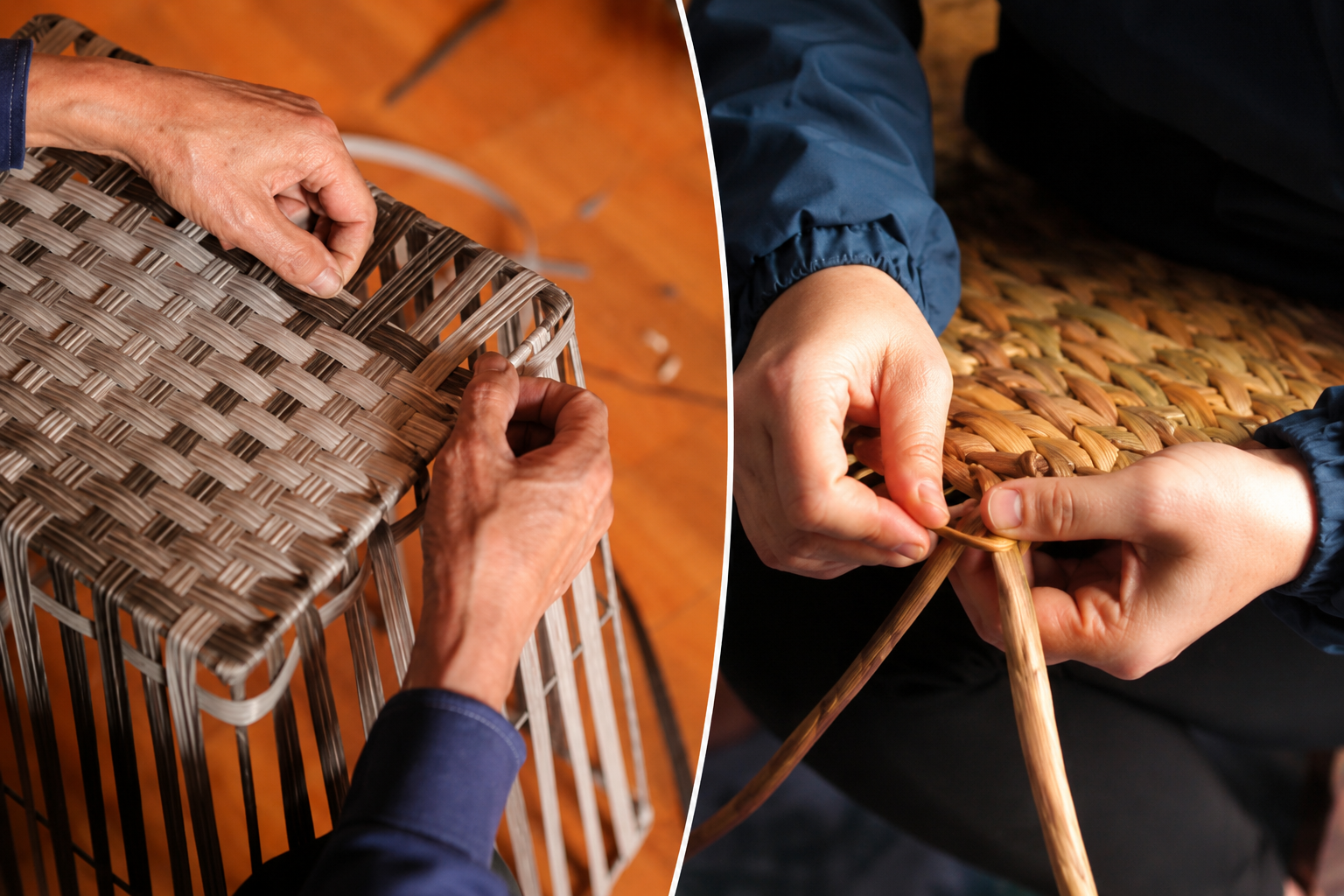
When HVAC units drop ambient humidity below 45%, natural rattan peel and core lose essential bound moisture. As moisture evaporates, natural fibers lose tensile elasticity, becoming rigid and prone to micro-fracturing under daily weight loads.
2. Differential Expansion in Solid Wood Frames
Solid wood frames crafted from acacia or pine respond to dry air through directional shrinkage. Because wood frame components shrink at different rates compared to woven rattan infill panels, joint tension increases dramatically. This imbalance leads to structural warping, loose joints, or hairline splits along the timber grain.
3. Manufacturing Mitigation at Origin
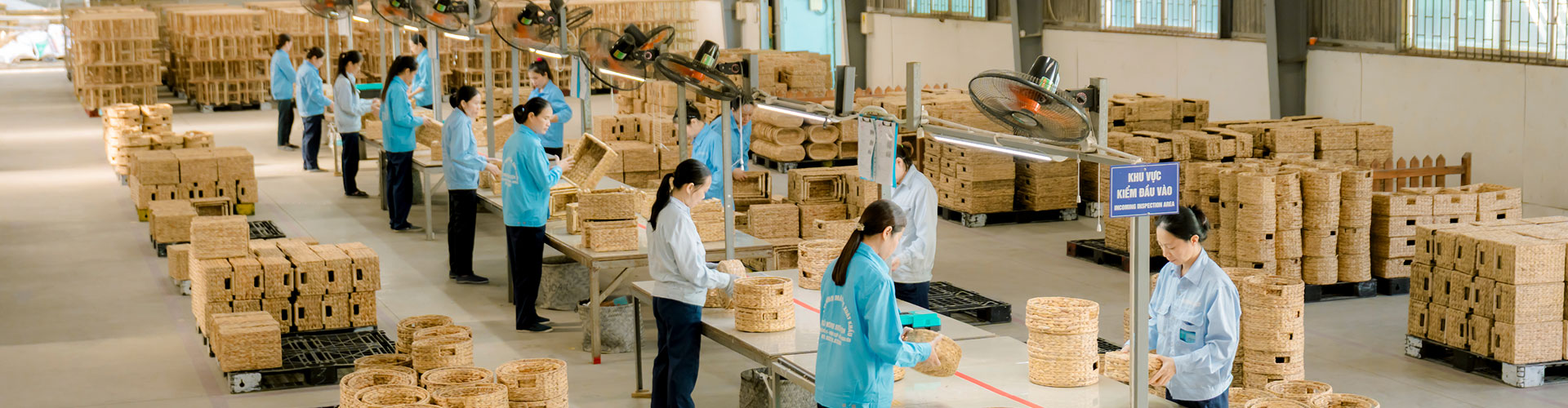
At Phu Minh Co., Ltd., we mitigate these climate risks at the manufacturing level. Adhering to ISO 9001:2015, BSCI, WCA, and SMETA standards, our timber undergoes precision kiln-drying down to 8–12% moisture content. Rattan peels are climate-conditioned before weaving, ensuring structural integrity even in dehumidified international markets.
STRATEGIC MAINTENANCE PROTOCOLS: MOISTURE CONTROL, CLEANING, & PROTECTIVE FINISHES
Actionable Care Guidelines for Commercial & Residential Spaces
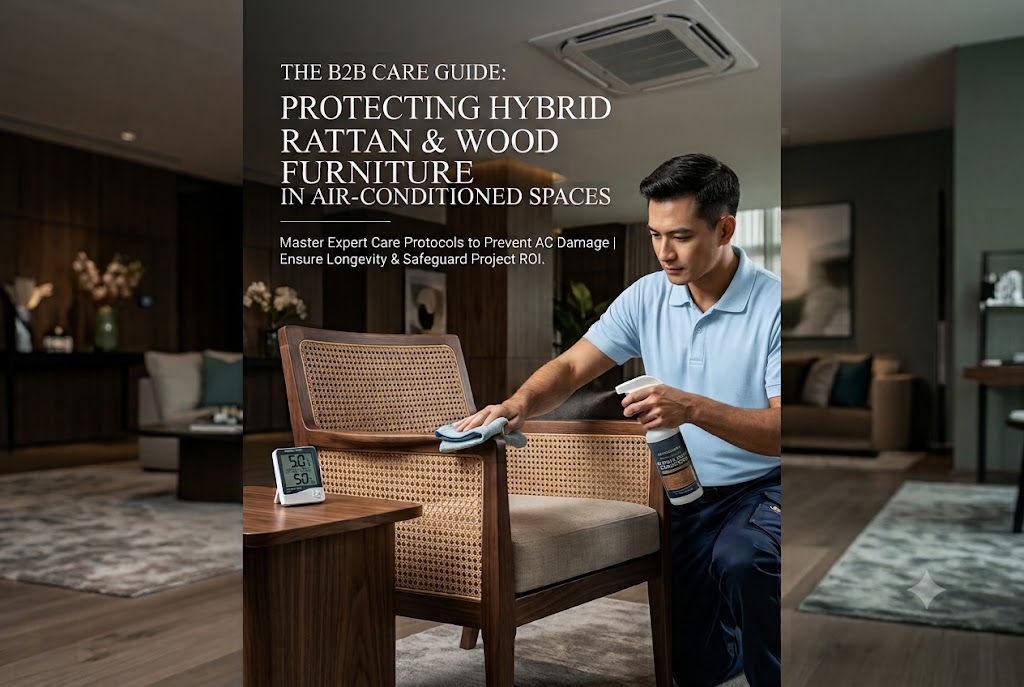
To extend product lifespans and preserve aesthetic value in air-conditioned environments, interior management teams should implement standardized maintenance protocols.
Environmental Microclimate Management
- Maintain Optimal RH: Keep ambient indoor relative humidity between 50% and 60% using centralized humidification or localized ultrasonic humidifiers.
- Strategic Airflow Placement: Position furniture at least 1.5 meters away from direct air conditioning vents, diffusers, and cold air return ducts to prevent forced evaporative drying.
- Solar & Thermal Shielding: Avoid placing hybrid pieces in direct sunlight pathways where cold air currents meet solar radiation, as extreme temperature gradients exacerbate wood cracking.
Routine Cleaning & Fiber Rehydration
- Dust Control: Clean woven wicker weekly with a soft-bristle brush or low-suction vacuum with a brush attachment to remove abrasive dust particles embedded within the weave.
- Bi-Annual Botanical Conditioning: Lightly wipe rattan weaves and timber frames twice a year with a soft microfiber cloth dampened with natural boiled linseed oil or specialized lemon oil. This replenishes lost natural lipids without creating sticky surface residue.
- Avoid Harsh Chemical Cleaners: Never use alcohol-based, ammonia-heavy, or harsh solvent cleaners, as they strip protective topcoats and accelerate natural fiber drying.
PARTNER WITH PHU MINH CO., LTD. FOR CLIMATE-ENGINEERED SUSTAINABLE FURNITURE
Elevate Your Portfolio with Engineering Excellence
Safeguard your commercial interior investments and minimize warranty returns by choosing climate-resilient, expertly crafted handwoven furniture. Phu Minh Co., Ltd. combines traditional Vietnamese craftsmanship with rigorous industrial quality control to produce storage solutions, laundry hampers, accent tables, and home decor that excel across global climates.
Explore our latest B2B catalog of climate-conditioned rattan, bamboo, seagrass, and acacia wood furniture designed for international buyers, wholesalers, and design studios.
Contact our export team today to request detailed technical specifications, FSC/BSCI compliance certification, or sample customization for your upcoming projects.
FAQ SECTION:
1- Why does air conditioning damage hybrid rattan and wood furniture?
Air conditioning lowers indoor relative humidity, causing natural rattan fibers to dry out and become brittle while causing solid wood frames to shrink, creating joint stress and potential structural cracking.
2- What is the ideal indoor humidity level for rattan furniture with wooden frames?
The optimal relative humidity range for hybrid rattan and wood furniture is between 50% and 60% at a comfortable ambient room temperature of 20°C to 24°C.
3- How often should commercial venues condition natural rattan and wood furniture?
High-traffic commercial spaces should perform light dust removal weekly and apply a light moisturizing treatment using natural botanical oils every 3 to 6 months.
4- How does Phu Minh Co., Ltd. engineer rattan and wood furniture to resist climate warping?
Phu Minh Co., Ltd. utilizes precision kiln-drying processes to maintain wood moisture content between 8% and 12%, conditions natural rattan fibers prior to weaving, and applies protective non-toxic topcoats under strict ISO 9001:2015 quality control.
RELAVANT ARTICLES