How to Master Pest Control and Fumigation Standards for Exported Natural Handicrafts: The Guide of A B2B Guider
KEY TAKEAWAYS:
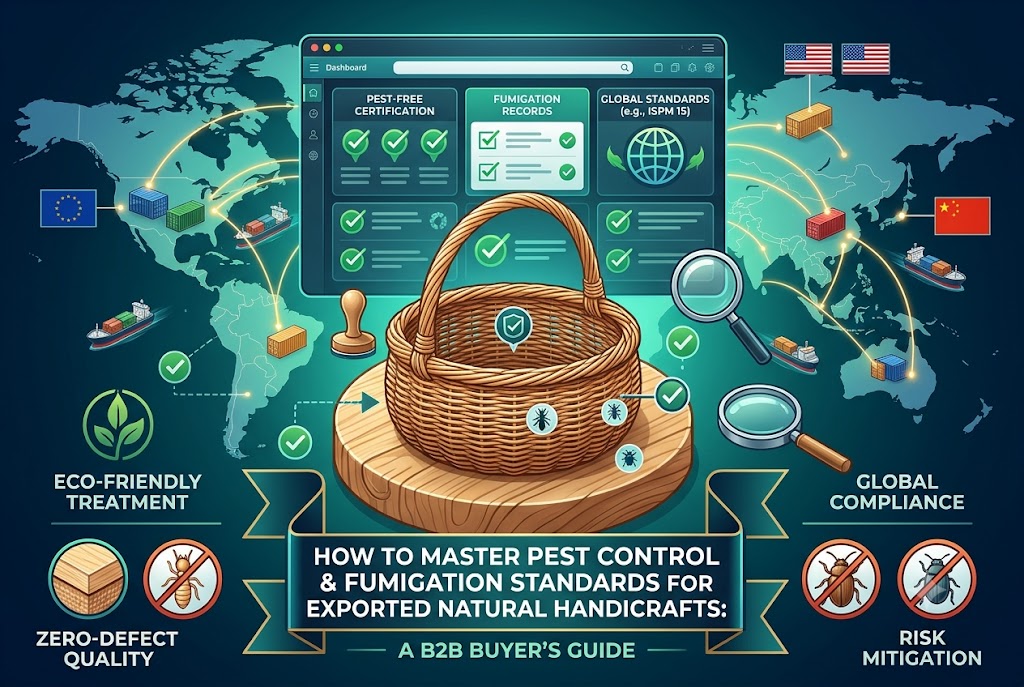
- Strict compliance with ISPM 15 standards and official Phytosanitary Certification is essential to prevent container rejections at US, EU, and global ports.
- Maintaining material moisture content below 12-14% via kiln drying is the most critical defense against pest larvae development and fungal growth during ocean transit.
- Implementing a multi-stage pest control protocol—from raw material pre-treatment to container desiccant installation—guarantees zero-defect product delivery.
- Partnering with audited Vietnam manufacturers certified in BSCI, SMETA, and ISO 9001:2015 ensures seamless international compliance and eco-friendly practices.
INTRODUCTION: NAVIGATING PEST CONTROL COMPLIANCE IN GLOBAL ECO-HANDICRAFT SOURCING
For international buyers and interior designers sourcing natural fiber home decor—ranging from rattan storage baskets and water hyacinth laundry hampers to acacia accent furniture—maintaining product integrity across global trade routes is paramount. Pest infestation or mold emergence during ocean transit can lead to devastating consequences: rejected containers, costly customs quarantines, financial loss, and severe brand erosion.
As global retail buyers align with strict ESG principles and international import regulations, understanding end-to-end pest management protocols is no longer optional—it is a mandatory pillar of a resilient, sustainable supply chain. This guide outlines the essential steps to mastering pest control and phytosanitary standards when importing handcrafted products from Vietnam.
PREREQUISITES: ESSENTIAL STANDARDS AND GLOBAL REGULATORY REQUIREMENTS
Before executing high-volume purchase orders for natural woven storage solutions and decor, foreign buyers must establish clear compliance criteria with their manufacturing partners:
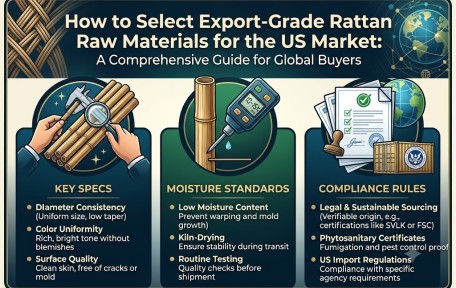
- ISPM 15 Compliance: Regulates solid wood packaging and timber structural elements (such as acacia or pine frames) through recognized heat treatment or certified fumigation.
- Phytosanitary Certification: Mandatory documentation issued by national plant protection agencies confirming that natural materials (seagrass, water hyacinth, rattan, bamboo, paper cord) are thoroughly inspected and free from quarantine pests.
- International Factory Audits: Verification that the manufacturer adheres to SCAN, WCA, BSCI, SMETA, and ISO 9001:2015 standards, ensuring both quality management and social compliance.
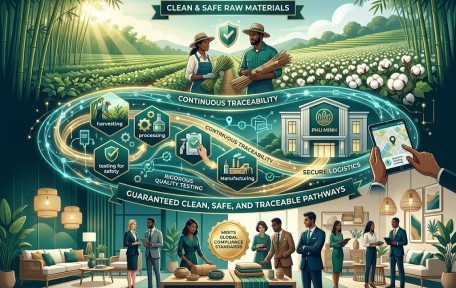
STEP 1: ENFORCE STRICT RAW MATERIAL SOURCING & PRE-TREATMENT
Pest prevention begins long before products reach the assembly line. Natural fibers naturally contain organic sugars, starches, and moisture that can attract wood-boring beetles, termites, and fungal spores if untreated.
At Phu Minh Co., Ltd, raw materials undergo rigorous selection and eco-friendly pre-treatment:
- Organic Saline & Natural Soaking: Materials like rattan and bamboo undergo traditional non-toxic soaking processes to neutralize organic sugars that attract pests.
- Substrate Inspection: Wooden components (acacia and pine) are inspected for micro-bores or structural blemishes before entering production.
- Eco-Friendly Preservatives: Non-hazardous, REACH-compliant biological treatments are applied to protect fibers without compromising eco-certification.
STEP 2: OPTIMIZE MOISTURE CONTENT (MC) VIA KILN DRYING
Excessive humidity is the single greatest enabler of pest larvae survival and mold spore germination during long maritime shipments. Controlling Moisture Content (MC) is the most effective barrier against product degradation.
Industrial Kiln Drying
All natural fiber weaves and wooden frames are routed through automated kiln-drying facilities, reducing internal moisture levels to a strict benchmark of 8% to 14% depending on destination climate specs.
Digital Hygrometer Verification
Quality control technicians utilize calibrated pin-type moisture meters across random batch samples prior to final surface finishing and master carton packing. Batches exceeding maximum thresholds are immediately returned for re-drying.
STEP 3: CONDUCT CERTIFIED FUMIGATION AND OBTAIN PHYTOSANITARY CLEARANCE
Once products are fully assembled, woven, and packed in master cartons, professional fumigation is performed by certified third-party pest control organizations inside sealed vacuum chambers or shipping containers.
- Fumigation Agents: Standard treatments utilize approved agents such as Phosphine (Aluminium Phosphide) or Methyl Bromide (MB) administered strictly according to destination country regulations (e.g., USDA-APHIS or EU Plant Health Directives).
- Thermal Treatment (HT): For buyers seeking chemical-free alternatives, heat treatment facilities heat the core of wooden and heavy fiber components to 56°C for a minimum of 30 minutes.
- Official Certification: Upon treatment completion, an official Phytosanitary Certificate and Fumigation Certificate are issued, guaranteeing smooth clearance through international customs ports.
STEP 4: IMPLEMENT MOISTURE-PROOF PACKAGING & PRE-SHIPMENT CONTAINER INSPECTIONS
The final phase of defense occurs during container loading. Even properly fumigated items can suffer secondary infestation if exposed to high ambient humidity or water ingress during transit.
Desiccant Integration
High-capacity calcium chloride container desiccants and silica gel packets are placed within master cartons and container walls to eliminate the phenomenon known as 'container rain' caused by ocean temperature shifts.
Protective Barrier Liners
Woven storage baskets and laundry hampers are wrapped in protective PE/PP polybags with micro-perforations, preventing dust and moisture accumulation while allowing airflow balance.
Container Structural Audits
Prior to loading, every shipping container undergoes a rigorous 7-point inspection checking for light leaks, floor cleanliness, structural rust holes, and door seal integrity.
CONCLUSION: PARTNERING FOR A ZERO-DEFECT SUSTAINABLE SUPPLY CHAIN
Mastering pest control standards ensures that your home decor collections arrive at retail destination warehouses in flawless condition, safeguarding your brand reputation and bottom line. By collaborating with verified Vietnam manufacturers like Phu Minh Co., Ltd, global buyers gain a strategic partner committed to world-class craftsmanship, rigorous ISO 9001:2015 quality control, SMETA/BSCI social compliance, and zero-defect pest management standards.
FAQ SECTION:
1- What documentation is required for importing natural fiber handicrafts into the US and EU?
Imports typically require an official Phytosanitary Certificate issued by the originating nation's plant protection authority, alongside a certified Fumigation Certificate specifying the treatment agent, exposure duration, dosage, and temperature.
2- How does Phu Minh Co., Ltd prevent mold and pest activity during ocean transit?
We enforce strict kiln-drying protocols to keep moisture content below 12-14%, integrate high-absorption container desiccants, use protective polybags, and conduct certified fumigation prior to container sealing.
3- Are eco-friendly or chemical-free pest control options available for sustainable product lines?
Yes, we offer thermal Heat Treatment (HT) compliant with ISPM 15 standards as well as organic material pre-treatments, providing a zero-chemical solution suitable for eco-focused home decor brands.
4- What happens if a natural handicraft shipment fails phytosanitary inspection at port of entry?
Non-compliant shipments risk mandatory quarantine, costly re-fumigation at port facilities, or total destruction by customs authorities. Partnering with certified manufacturers prevents these risks at the source.
RELAVANT ARTICLES