The Vietnam-to-US Rattan & Bamboo Value Chain: 2026 Market Dynamics and Strategic Sourcing Insights

KEY TAKEAWAYS:
- Vietnam's rattan and bamboo export value chain relies on strict international compliance standards, including BSCI, SMETA, and SCAN, to access major US retail markets.
- The integration of mixed materials—such as combining natural rattan, bamboo, and seagrass with durable acacia wood, paper cords, and PP/PE resin—is riving higher margins and product durability in the US home decor sector.
- Partnering with certified manufacturers like Phu Minh Co., Ltd. mitigates supply chain risks by ensuring audited social compliance, security standards, and robust quality control.
EXECUTIVE SUMMARY: DECIPHERING THE UPSTREAM-TO-DOWNSTREAM FLOW
Vietnam has consolidated its position as a premier global hub for sustainable home decor, capturing significant market share in the United States. As US consumers and retailers demand higher ethical standards and design innovation, understanding the intricacies of the Vietnam-to-US rattan and bamboo value chain becomes essential. This report provides a comprehensive analysis of the supply chain, from sustainable raw material harvesting to international compliance and retail distribution, helping global buyers and interior designers optimize their sourcing strategies.
THE CURRENT LANDSCAPE: MAPPING THE VALUE CHAIN FROM HARVEST TO US RETAILERS
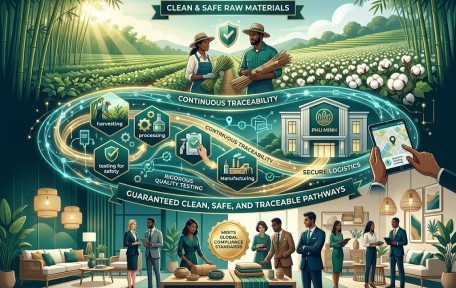
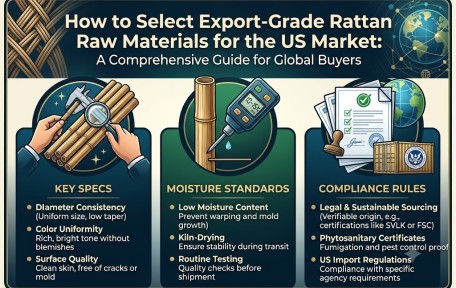
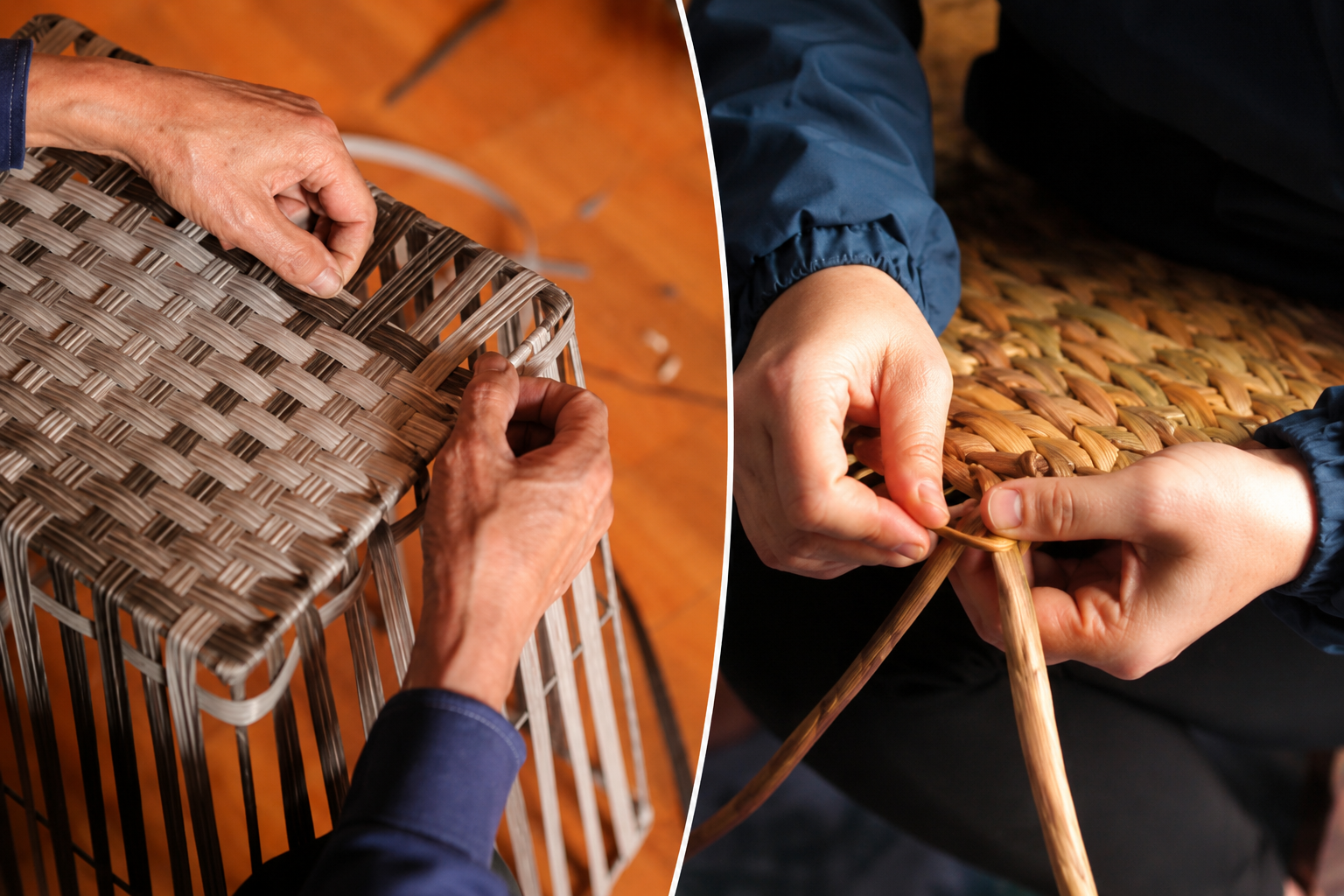
The value chain of Vietnamese woven handicrafts is a sophisticated network that bridges traditional craftsmanship with industrial precision. It begins in the rural provinces of Vietnam, where sustainable natural fibers like rattan, bamboo, seagrass, and water hyacinth are harvested. These materials undergo rigorous sorting, treatment, and drying to prevent mold and moisture damage—critical factors for international shipping.
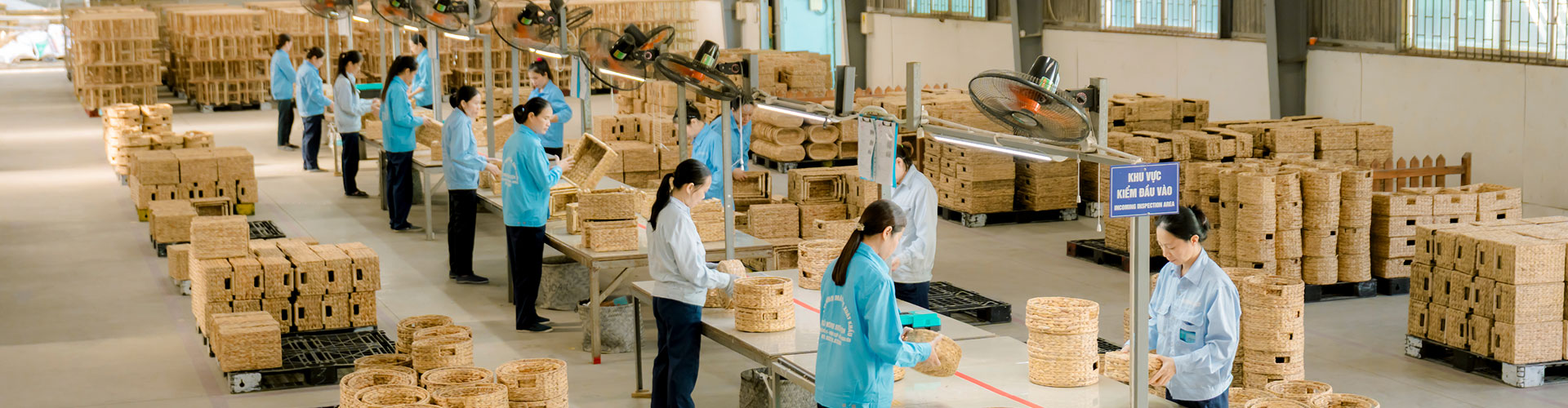
Once processed, the fibers are distributed to skilled artisans and centralized manufacturing facilities, such as those operated by Phu Minh Co., Ltd., where they are woven into functional home decor, laundry hampers, and storage furniture. To meet the diverse aesthetic and structural demands of the US market, natural fibers are increasingly integrated with durable secondary materials, including acacia wood, pine wood, paper cords, polyester/cotton ropes, and PP/PE resin.
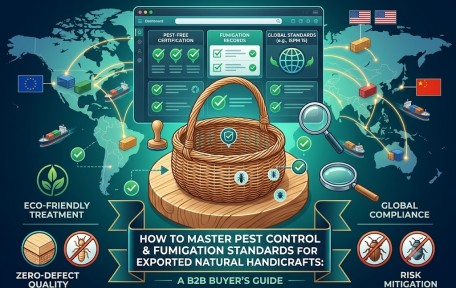
The final, crucial stage before export is compliance verification. To enter major US retail networks (such as Target, Walmart, or Home Depot), products must originate from factories that pass stringent international audits, including SCAN, WCA, BSCI, SMETA, and ISO 9001:2015.
KEY TRENDS: MATERIAL HYBRIDIZATION AND STRICT COMPLIANCE
Several transformative trends are currently shaping the export value chain to the US:
1. The Rise of Mixed-Medium Designs
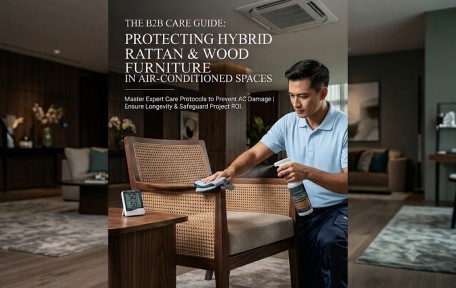
US interior designers and buyers are moving away from single-material products. The demand is shifting toward hybrid designs that combine the organic warmth of rattan or seagrass with the structural strength of acacia wood frames, or the modern durability of PP/PE resin and cotton ropes. This hybridization enhances both product lifespan and aesthetic appeal.
2. Uncompromising Demand for Social and Security Audits
Compliance is no longer optional. US customs and major retailers enforce strict supply chain security and ethical labor standards. Factories possessing active SCAN (Supply Chain Security) and BSCI/SMETA (Social Compliance) certifications enjoy faster customs clearance and preferential sourcing status.
3. Eco-Conscious Packaging and Logistics
Value chain optimization now extends to packaging. Reducing single-use plastics and optimizing carton volume to maximize container utilization are top priorities for lowering freight costs and minimizing carbon footprints.
FUTURE OUTLOOK: VIETNAM AS THE PREMIER SOURCING DESTINATION
The strategic partnership between Vietnam and the US continues to strengthen, positioning Vietnam as the primary alternative in "China+1" sourcing strategies. Over the next few years, we project a deeper integration of digital tracking within the value chain, allowing US buyers to trace the origin of natural fibers back to sustainable harvesting cooperatives. Additionally, continuous innovation in eco-friendly, water-based protective coatings will further enhance the weather-resistance of woven furniture, expanding its utility from indoor storage to semi-outdoor patio decor.
STRATEGIC RECOMMENDATIONS: OPTIMIZING YOUR SOURCING STRATEGY
For global B2B buyers and interior designers seeking to secure their supply chains and maximize profitability, we recommend the following actions:
- Partner with Certified Manufacturers: Always prioritize manufacturers like Phu Minh Co., Ltd. that hold comprehensive certifications (ISO 9001:2015, BSCI, SMETA, SCAN, WCA). This guarantees ethical labor, secure supply chains, and consistent quality.
- Leverage Custom OEM/ODM Capabilities: Work with manufacturers capable of executing complex mixed-material designs. Customizing dimensions, weaving patterns, and structural frames allows your brand to stand out in a crowded retail market.
- Plan Lead Times Proactively: Account for seasonal harvesting cycles of natural fibers (such as seagrass and water hyacinth) by establishing rolling forecasts with your manufacturing partners to secure capacity.
FAQ SECTION:
1- What certifications are required for exporting rattan and bamboo products to the US?
To access major US retail networks, manufacturers must comply with strict social, security, and quality audits. Key international certifications include BSCI, SMETA, SCAN (for supply chain security), WCA (Workplace Conditions Assessment), and ISO 9001:2015.
2- How does Vietnam ensure the durability of natural woven home decor?
Vietnam manufacturers utilize advanced moisture-control, anti-mold treatments, and kiln-drying for wood components. Additionally, blending natural fibers with durable materials like acacia wood, pine wood, and PP/PE resin enhances structural integrity.
3- Can Phu Minh Co., Ltd. handle custom OEM/ODM designs for global buyers?
Yes, Phu Minh Co., Ltd. specializes in custom OEM/ODM development, allowing global buyers and interior designers to customize materials, weaving patterns, dimensions, and structural frames using rattan, bamboo, seagrass, and mixed mediums.
RELAVANT ARTICLES