The State of Rattan Core & Peel in B2B Design: Future Trends, OEM Innovation, and Sustainable Sourcing Strategies
KEY TAKEAWAYS:
- Rattan core and peel offer distinct structural and aesthetic advantages, enabling high-end commercial durability and versatile biophilic designs.
- Global B2B procurement is pivoting toward certified suppliers compliant with BSCI, SMETA, ISO 9001:2015, SCAN, and WCA to ensure ethical and resilient supply chains.
- Combining rattan core and peel with solid hardwoods like Acacia and Pine creates robust, scalable home decor and storage furniture lines.
- Custom OEM/ODM manufacturing partnerships with certified Vietnamese exporters allow global brands to maintain artisan craftsmanship at commercial scale.
EXECUTIVE SUMMARY: THE RENAISSANCE OF RAW RATTAN IN GLOBAL B2B MARKETS
Executive Summary: The Renaissance of Raw Rattan in Global B2B Markets
As global consumers and enterprise clients demand eco-conscious, biophilic interior solutions, rattan core and peel have emerged as pivotal materials in modern furniture and home accessories manufacturing. Far from being simple vintage accents, these natural fibers represent the intersection of artisanal heritage, material efficiency, and sustainable sourcing. For international buyers, interior design houses, and high-volume retail sourcing teams, understanding the specific technical characteristics of rattan core and peel is key to unlocking product innovation across storage solutions, laundry hampers, and accent furniture.
As a leading Vietnamese manufacturer, Phu Minh Co., Ltd. combines traditional handweaving techniques with modern quality management standards including ISO 9001:2015, BSCI, SMETA, SCAN, and WCA. This trend report outlines the market drivers, technical properties, and strategic sourcing directions for global B2B procurement leaders aiming to capitalize on natural rattan aesthetics.
CURRENT LANDSCAPE: TECHNICAL DISTINCTION BETWEEN RATTAN CORE AND RATTAN PEEL
Current Landscape: Technical Distinction Between Rattan Core and Rattan Peel
To design scalable, high-performance product collections, global sourcing managers and interior designers must leverage the distinct physical properties of rattan's internal and external anatomy.
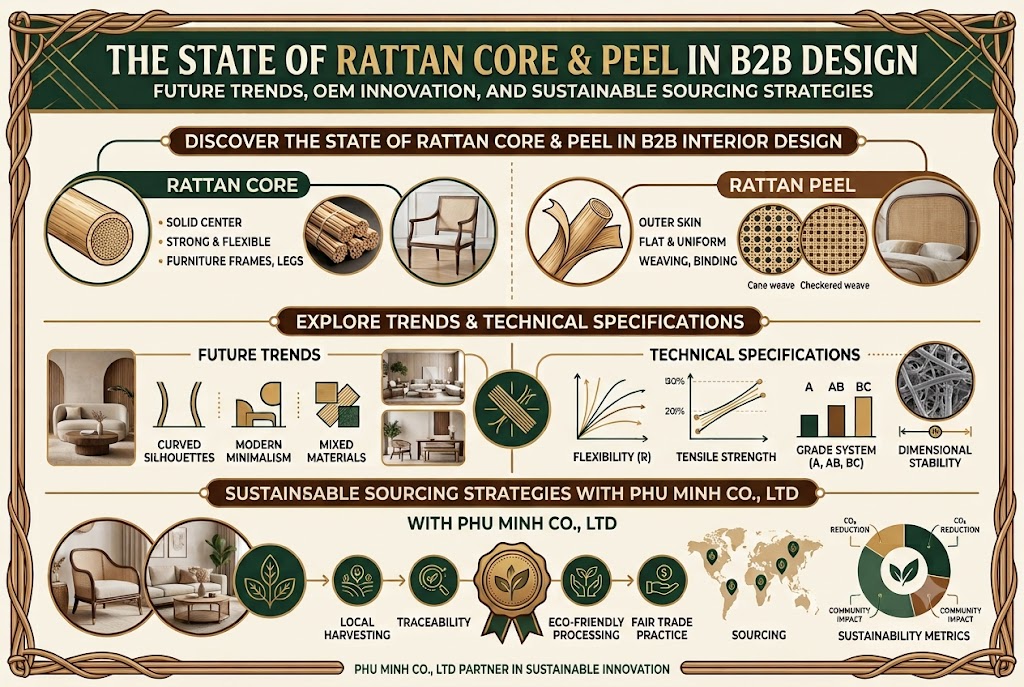
1. Rattan Core (Pith/Reed)
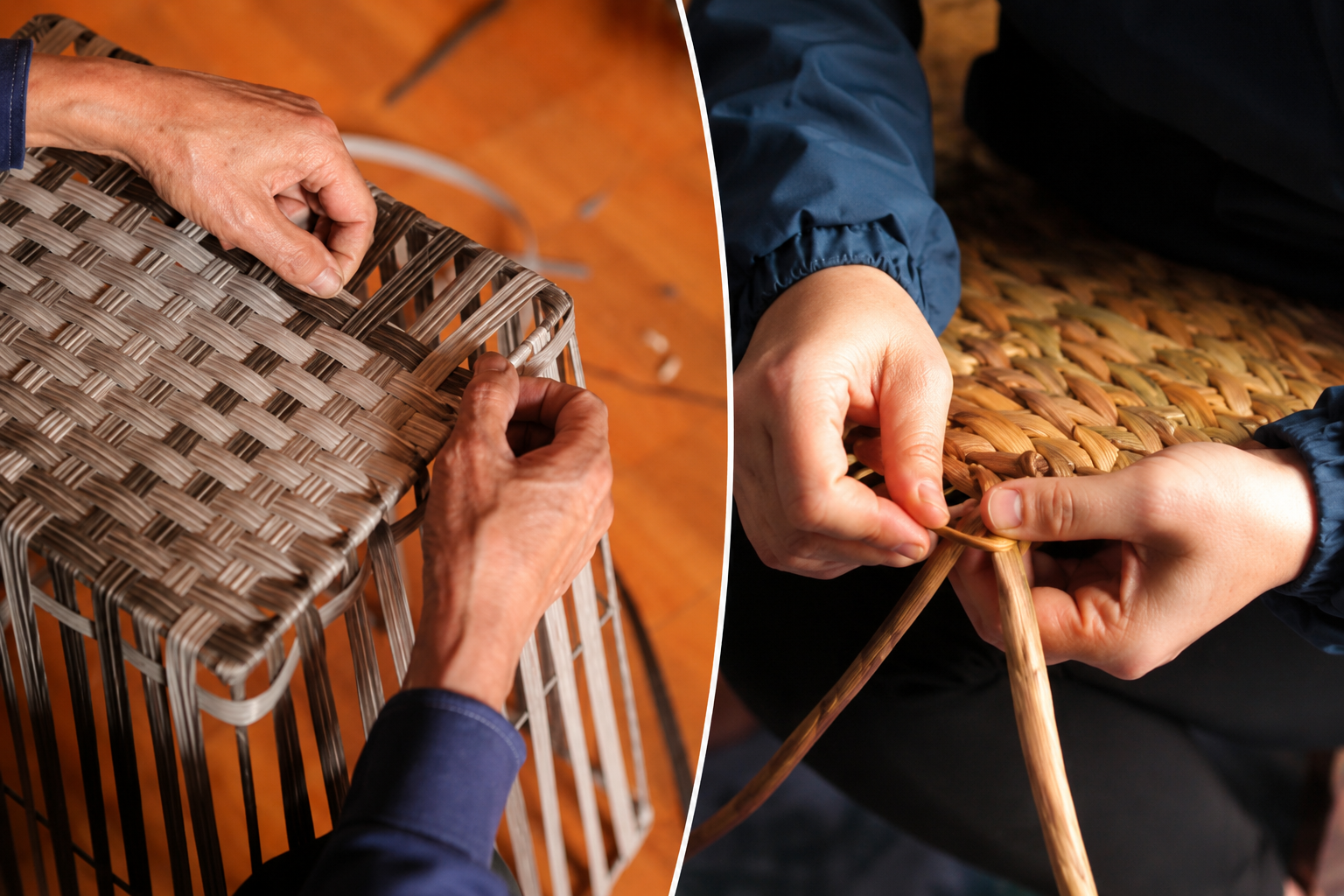
Extracted from the interior center of the rattan vine, the rattan core is uniform, flexible, and porous. Available in rounded, flat, or oval profiles, core fiber excels in intricate handweaving, wickerwork, and curved architectural detailing. Because of its permeable cellular structure, rattan core readily accepts organic stains, paints, and protective lacquers, providing design teams with unlimited color flexibility for contemporary collections.
2. Rattan Peel (Bark/Skin)
Rattan peel is stripped from the glossy outer layer of the vine. Inherently rich in natural silica, peel possesses exceptional tensile strength, smooth texture, and natural moisture-resistant properties. It is predominantly used for binding joints in frame furniture, weaving durable cane webbing (caning), and crafting heavy-duty basketry such as laundry hampers and structural storage containers.
KEY TRENDS SHAPING B2B RATTAN DESIGN AND PRODUCT ENGINEERING
Key Trends Shaping B2B Rattan Design and Product Engineering
Our analysis of international trade shows, hotel interior projects, and catalog collections reveals three prominent trends driving demand for natural rattan core and peel:
- Hybrid Material Integration: Designers are pairing rattan core weaving with solid Acacia or Pine wood frames, paper cords, and metal chassis. This hybrid approach delivers structural stability and modern contrast while retaining organic warmth.
- Architectural Caning & Woven Paneling: Fine rattan peel webbing is increasingly incorporated into cabinet doors, room dividers, and headboards, delivering breathable texture that appeals to modern minimalist and Japandi interior aesthetics.
- Elevated Functional Storage: High-end hospitality and residential projects are replacing synthetic storage with handcrafted rattan core hampers, lined baskets, and modular organizer units treated with non-toxic, moisture-barrier coatings.
FUTURE OUTLOOK: COMPLIANCE, SUSTAINABILITY, AND INDUSTRIAL SCALABILITY
Future Outlook: Compliance, Sustainability, and Industrial Scalability
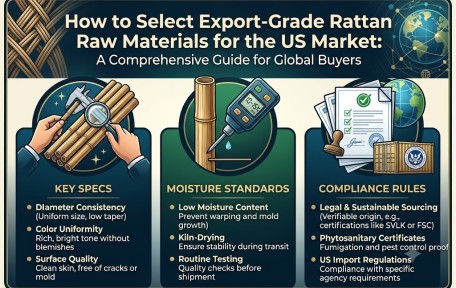
The future of rattan procurement lies in total supply chain transparency and rigorous quality assurance. Global retailers can no longer rely on unverified supply chains. The market demands audited manufacturing facilities capable of delivering consistent moisture content (12-15%), insect treatment, and zero chemical off-gassing.
Over the next decade, market leadership will belong to manufacturers who combine sustainable raw material harvesting with certified social and environmental compliance. Phu Minh Co., Ltd. fulfills these demands through audited adherence to BSCI, SMETA, WCA, and SCAN security standards, providing global buyers with complete confidence from factory floor to port of arrival.
STRATEGIC RECOMMENDATIONS FOR GLOBAL BUYERS AND INTERIOR SPECIFIERS
Strategic Recommendations for Global Buyers and Interior Specifiers
To maximize margin, product longevity, and brand alignment, enterprise buyers should execute the following sourcing strategies:
- Specify Profile According to Function: Use high-tensile rattan peel for load-bearing bindings and high-wear surfaces; utilize flexible rattan core for complex handwoven patterns and custom color finishes.
- Audit Compliance Standards Early: Ensure manufacturing partners hold active international factory audits (BSCI, SMETA, ISO 9001:2015) to mitigate supply chain disruption and reputational risk.
- Leverage Vietnam’s OEM/ODM Ecosystem: Partner directly with integrated manufacturers like Phu Minh Co., Ltd. to streamline prototyping, material blending, and container-load shipping logistics.
FAQ SECTION:
1- What is the difference between rattan core and rattan peel in furniture manufacturing?
Rattan core comes from the flexible interior of the vine and is ideal for intricate handweaving and custom stain finishes. Rattan peel is stripped from the hard outer bark, featuring high tensile strength and natural moisture resistance, perfect for joint binding, basketry, and woven paneling.
2- How does Phu Minh Co., Ltd. ensure quality control for wholesale rattan products?
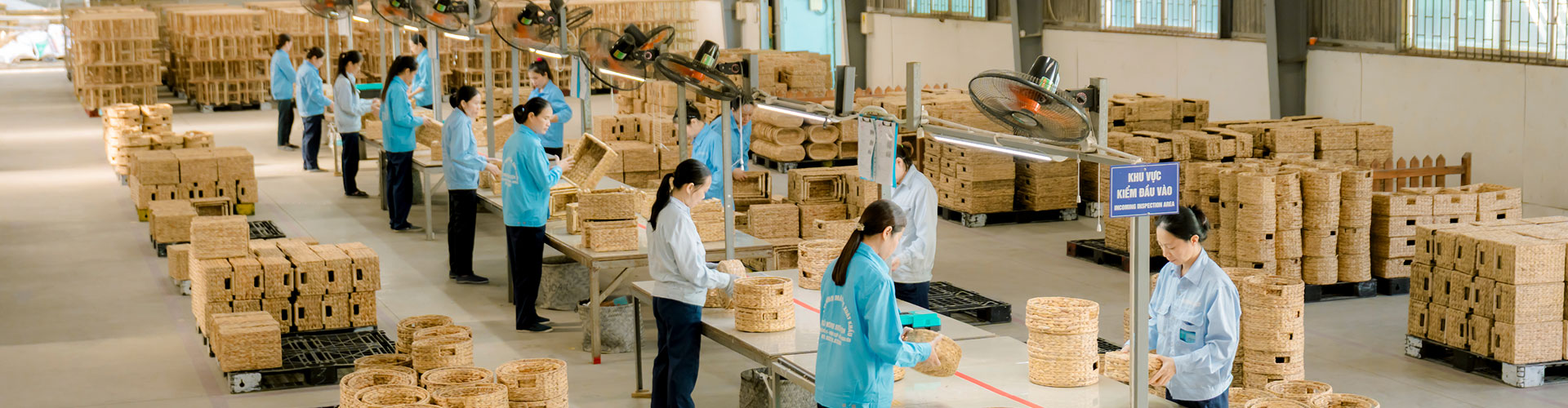
Phu Minh Co., Ltd. operates under ISO 9001:2015 quality control management. We enforce strict moisture control (12-15%), anti-mold treatment, dimensional inspection, and compliance with BSCI, SMETA, WCA, and SCAN global factory audits.
3- Can rattan core and peel be combined with other materials for commercial collections?
Yes. Phu Minh specializes in hybrid OEM manufacturing, combining rattan core and peel with Acacia, Pine wood, paper cords, polyester/cotton ropes, and metal frames to meet modern B2B decor specifications.
4- Are natural rattan products suitable for high-volume B2B hospitality projects?
Absolutly. When properly treated with protective topcoats and structural wood frames, natural rattan products deliver superior durability, biophilic aesthetics, and lightweight functionality for hospitality and retail markets.
RELAVANT ARTICLES