The Safe Feast: How Artisanal Rattan Trays Conquered the Global Hospitality Stage
KEY TAKEAWAYS:
- Rattan serving trays must undergo strict kiln-drying to achieve a moisture content below 12% to prevent mold and bacterial growth in commercial F&B environments.
- Only food-grade, non-toxic water-based coatings compliant with international safety standards should be used to finish natural rattan intended for food contact.
- Using food-safe barriers like linen liners, parchment paper, or acacia wood inserts is recommended to protect rattan fibers from direct food oils and moisture.
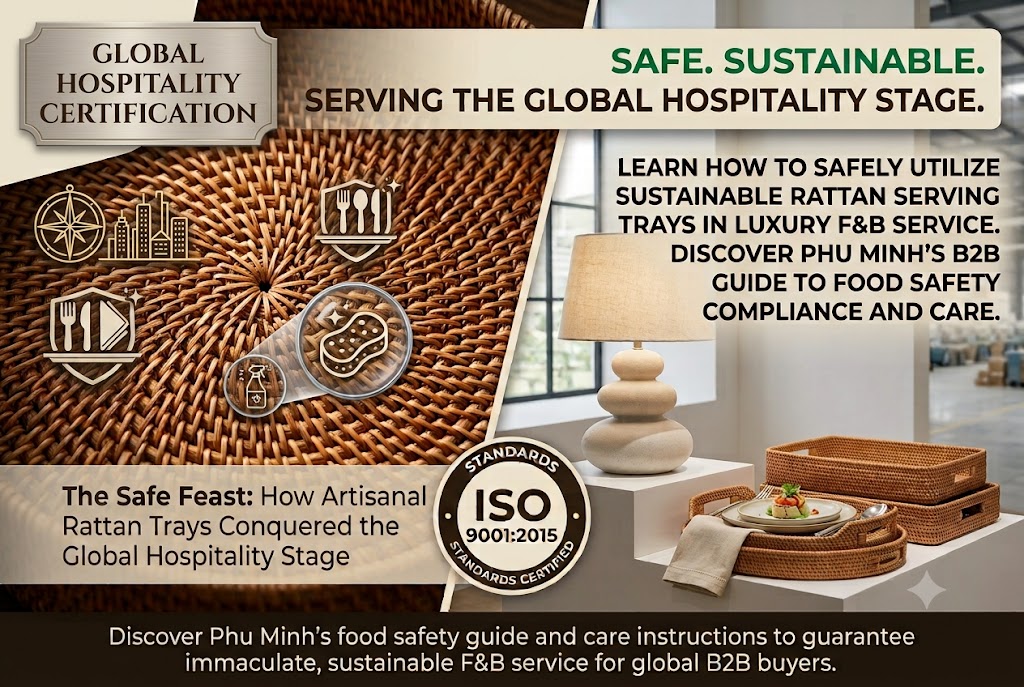
- Procuring rattan tableware from certified manufacturers holding BSCI, SMETA, and ISO 9001:2015 audits guarantees compliance with global safety and social standards.
THE ALLURE OF THE NATURAL TABLE: A GLOBAL DINING RENAISSANCE
In high-end hospitality, the dining experience is no longer just about the menu; it is about the story told on the table. Over the past few years, boutique hotels, eco-resorts, and luxury Michelin-starred establishments have orchestrated a quiet revolution, replacing sterile stainless steel and cold plastics with the warm, organic textures of hand-woven rattan serving trays. This shift towards biophilic design satisfies a deep consumer craving for authenticity and environmental stewardship.
However, integrating raw, natural materials into high-traffic food and beverage (F&B) environments presents a unique set of operational challenges. For global buyers, the journey from sustainable forest harvesting to five-star table service requires a meticulous balance of aesthetic storytelling and uncompromising safety protocols.
THE HIDDEN RISKS IN THE WEAVE: FOOD SAFETY VS. AESTHETIC APPEAL
While the visual appeal of a rattan tray laden with fresh pastries or artisanal cocktails is undeniable, procurement officers and food safety managers face a persistent challenge: hygiene. Raw rattan is naturally porous, containing microscopic channels that can trap moisture, food particles, and bacteria if left untreated.
In busy commercial kitchens, trays are subjected to spills, high humidity, and rapid turnover. Furthermore, many standard rattan products on the market are treated with cheap, chemical-heavy varnishes that emit volatile organic compounds (VOCs) or leach harmful toxins when they come into contact with warm food. For international brands, a single food safety violation or mold outbreak can compromise guest health, leading to severe regulatory penalties and irreparable damage to brand prestige.
ENGINEERING SAFETY INTO NATURE: THE PHU MINH STANDARDS
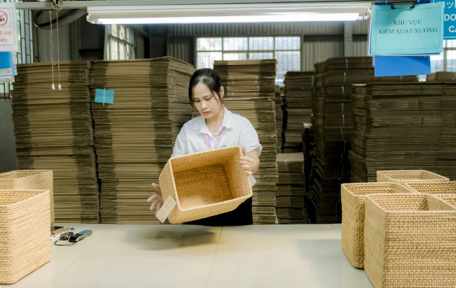
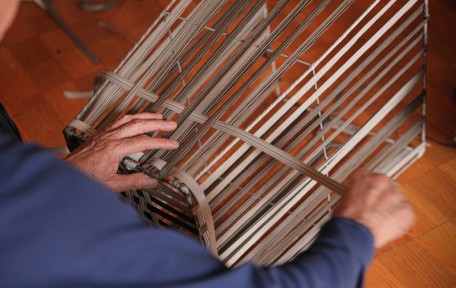
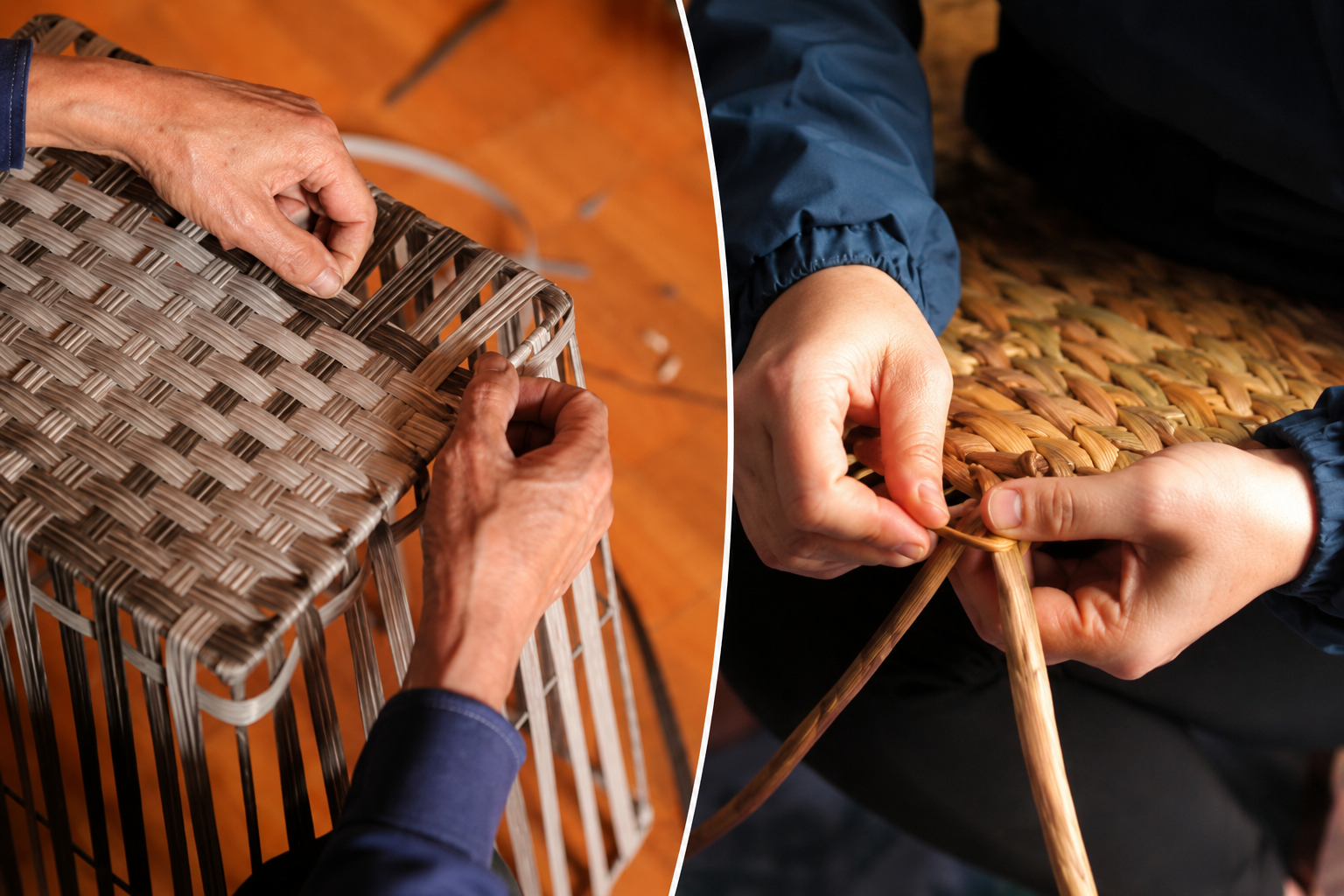
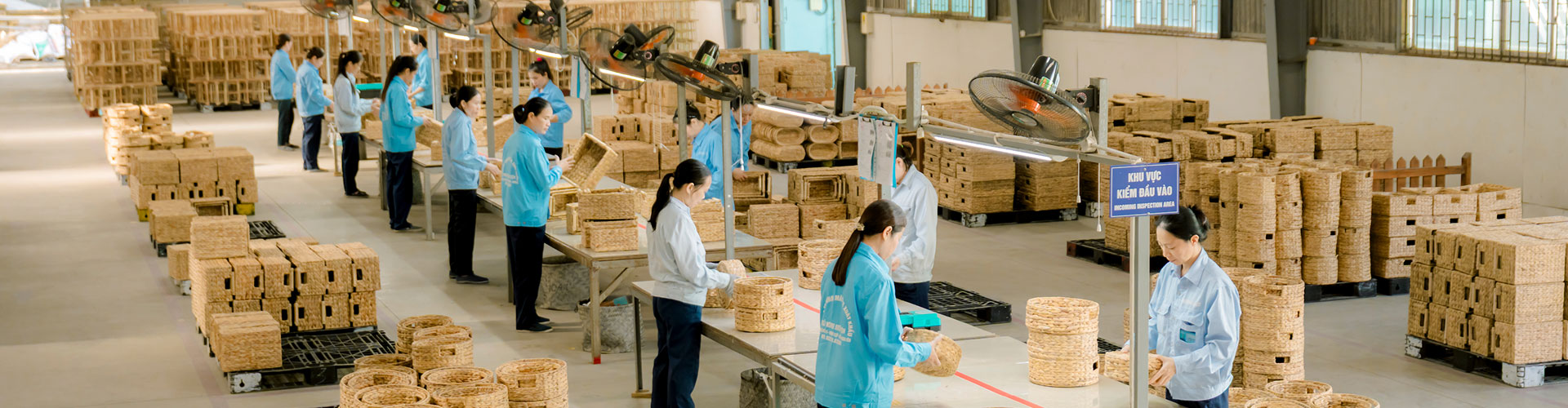
To overcome these challenges, Phu Minh Co., Ltd. redefined the manufacturing process, proving that natural beauty and rigorous modern safety standards can seamlessly coexist. By combining generations of Vietnamese weaving heritage with modern engineering, we developed a food-safe production protocol tailored for the global B2B market.
Moisture Control & Prevention
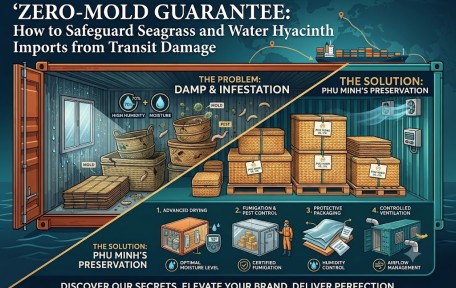
Every rattan tray destined for F&B service undergoes a strict kiln-drying process to reduce internal moisture content below 12%. This critical step prevents mold and fungal growth at the source, ensuring the product remains structurally sound even in humid tropical resort climates.
Certified Non-Toxic Coatings
We apply only certified, non-toxic, food-grade water-based coatings. These specialized finishes seal the porous fibers, creating an easy-to-clean barrier that prevents food absorption without off-gassing harmful chemicals. Our manufacturing facilities strictly adhere to international compliance frameworks, including BSCI, SMETA, and ISO 9001:2015, ensuring that every piece is socially responsible, traceably sourced, and built to last.
A SUSTAINABLE LEGACY: BEST PRACTICES FOR HIGH-TRAFFIC F&B SERVICE
The ultimate resolution lies in pairing certified-safe products with smart operational practices. To maximize the lifespan and hygiene of rattan trays in a commercial setting, global hospitality operators should implement a simple yet highly effective maintenance protocol:
- Use Food-Safe Barriers: Always utilize food-safe barriers—such as parchment paper, linen liners, or integrated acacia wood inserts—when serving dry foods directly on the tray.
- Gentle Sanitization: Train staff to clean trays using a damp microfiber cloth and a mild, food-safe sanitizing solution. Avoid submerging natural fiber trays in water or placing them in commercial dishwashers.
- Proper Ventilation: Ensure trays are allowed to air-dry completely in a well-ventilated area before stacking or storing them to prevent moisture buildup.
By sourcing certified rattan food service solutions from Phu Minh and implementing these care standards, global brands can confidently deliver an exquisite, safe, and truly sustainable dining experience that resonates with modern eco-conscious consumers.
FAQ SECTION:
1- Are rattan trays safe for direct contact with food?
Natural rattan trays are safe for serving dry foods when treated with certified food-grade, non-toxic finishes. However, for wet or oily foods, we highly recommend using food-safe barriers like parchment liners, glass inserts, or acacia wood bases to prevent staining and moisture absorption.
2- How should commercial kitchens clean and sanitize rattan serving trays?
Rattan trays should never be submerged in water or placed in a commercial dishwasher. Instead, wipe them down with a damp cloth and a mild, food-safe sanitizing spray, then allow them to air-dry completely in a well-ventilated area before stacking or storing.
3- How does Phu Minh ensure the quality and safety of its rattan food service products?
Phu Minh Co., Ltd. implements a multi-stage quality control process, including strict kiln-drying to keep moisture levels below 12%, the exclusive use of certified non-toxic water-based sealants, and compliance with international standards such as ISO 9001:2015, BSCI, and SMETA.
4- Can rattan trays withstand high-humidity environments like tropical resorts or outdoor dining?
Yes, high-quality rattan trays that have been properly seasoned, kiln-dried, and sealed with professional-grade protective coatings can withstand humid environments, provided they are allowed to dry completely and are stored in well-ventilated spaces when not in use.
RELAVANT ARTICLES