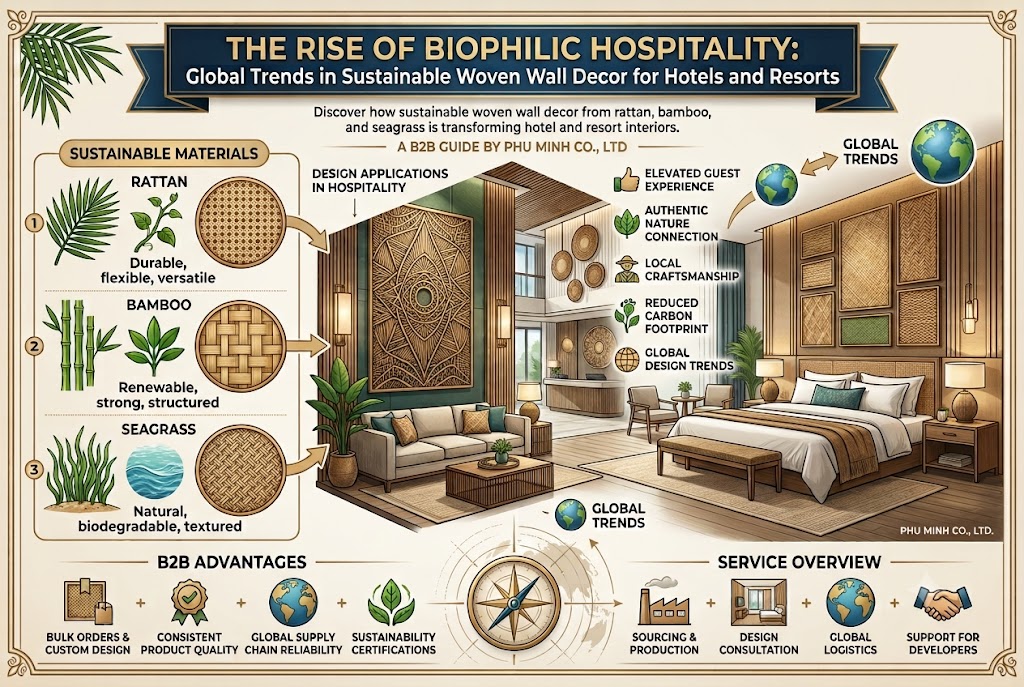
The Rise of Biophilic Hospitality: Global Trends in Sustainable Woven Wall Decor for Hotels and Resorts
KEY TAKEAWAYS:
- Biophilic design in global hospitality is shifting from a luxury trend to a core ESG requirement, driving massive demand for natural woven wall decor.
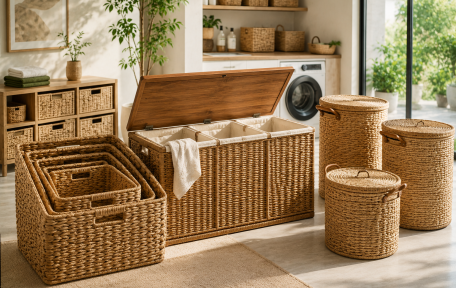
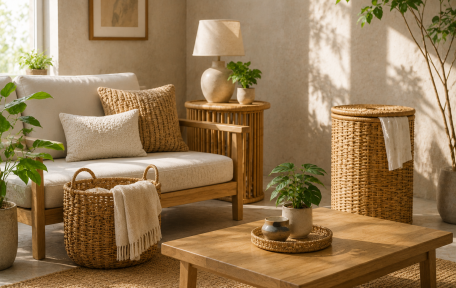
- Woven wall art made from renewable materials like rattan, seagrass, and bamboo offers hotels a low-carbon, biodegradable alternative to synthetic decor.
- Global B2B buyers prioritize suppliers with international compliance certifications such as BSCI, SMETA, and ISO 9001:2015 to ensure ethical sourcing.
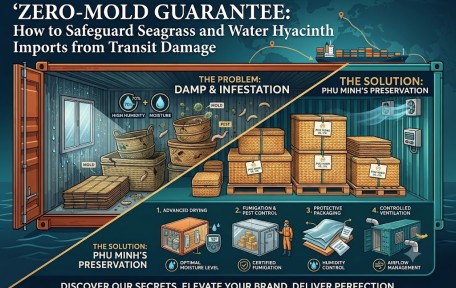
- Advanced manufacturing treatments, including strict moisture control and anti-mold processing, are critical for the durability of natural decor in high-humidity resort environments.
EXECUTIVE SUMMARY: THE BIOPHILIC SHIFT IN HOSPITALITY DESIGN
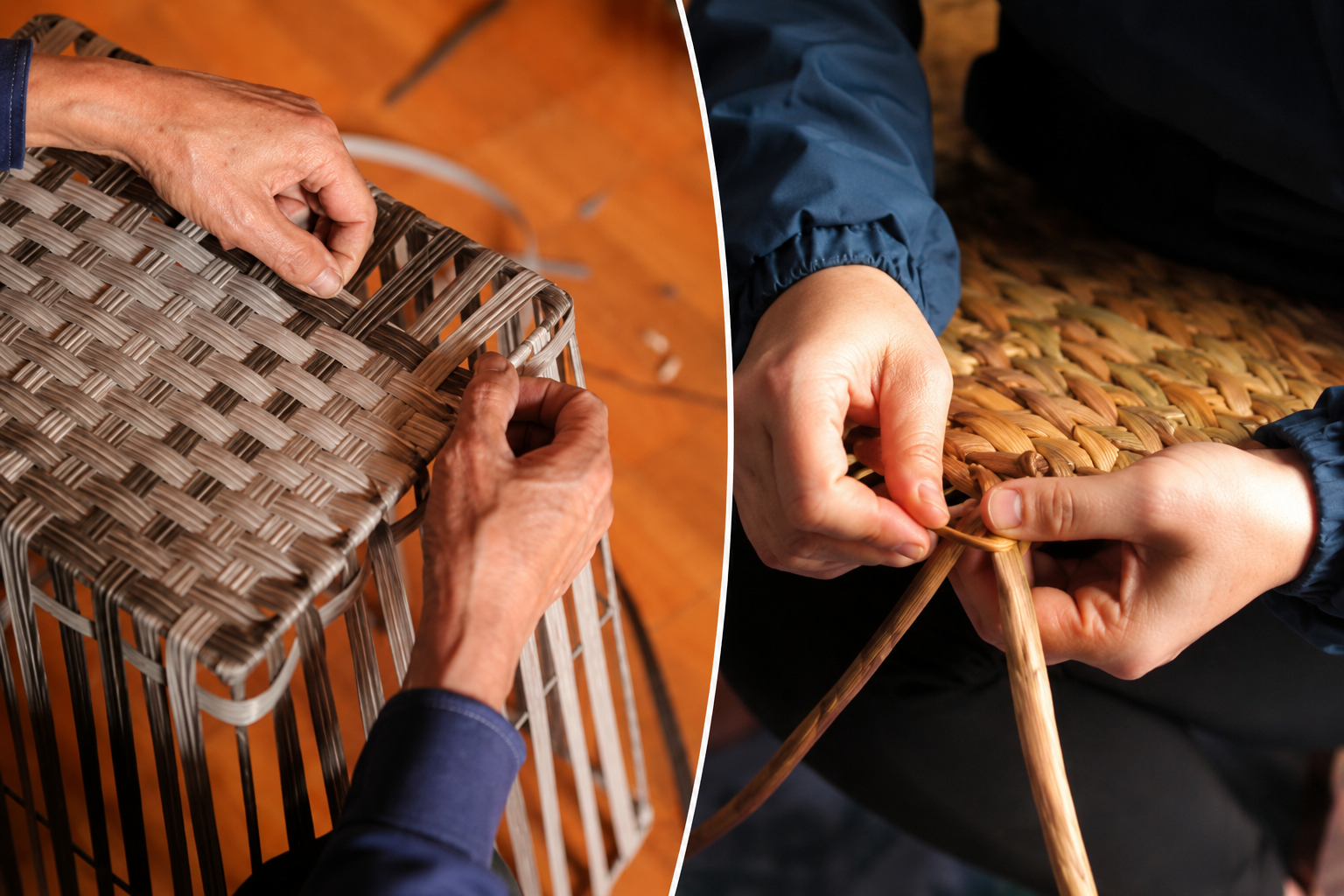
As global travelers increasingly demand eco-conscious experiences, the hospitality industry is undergoing a massive transformation. Modern hotels and luxury resorts are moving away from sterile, synthetic environments toward biophilic design—an approach that integrates natural elements to improve guest well-being. At the forefront of this movement is sustainable woven wall decor. Crafted from renewable materials like rattan, bamboo, seagrass, and water hyacinth, these pieces offer more than just aesthetic value; they represent a commitment to environmental stewardship. For B2B buyers and interior designers, sourcing certified natural decor has become a strategic priority to meet both brand sustainability goals and consumer expectations.
CURRENT LANDSCAPE: WHY RESORTS ARE REPLACING SYNTHETICS WITH NATURAL FIBERS
Traditionally, commercial hospitality spaces relied on mass-produced plastic, metal, or synthetic wall art for durability. However, the modern landscape has shifted dramatically. Today's luxury resorts, particularly in eco-tourism hotspots, are prioritizing circular materials. Natural fibers like rattan and seagrass bring organic warmth, rich textures, and acoustic benefits to large hotel lobbies and guest rooms. This shift is heavily supported by global supply chain standards. High-end hospitality brands now require manufacturers to hold international certifications such as BSCI, SMETA, and ISO 9001:2015. These standards guarantee that the woven wall decor is not only beautiful but also ethically produced, ensuring fair labor practices and consistent quality control across large-scale production.
KEY TRENDS: TEXTURES, GEOMETRIC WEAVES, AND ORGANIC MINIMALISM
Current market data highlights three dominant trends in woven wall decor for hospitality spaces:
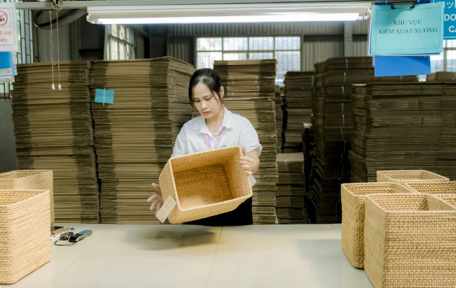
- Oversized Statement Plates: Large-scale woven baskets and plates made from seagrass and water hyacinth are being arranged in striking, multi-dimensional wall collages to create focal points in lobbies and reception areas.
- Material Fusion: Designers are embracing pieces that combine natural fibers with other sustainable materials, such as cotton rope, paper cords, or acacia wood frames, adding modern geometric contrast to traditional weaving techniques.
- Minimalist Organic Textures: Subtle, undyed bamboo and rattan panels are replacing bright, chemically-treated art, celebrating the natural variations and earthy tones of the raw materials.
FUTURE OUTLOOK: THE LONG-TERM VALUE OF BIODEGRADABLE AND CIRCULAR WALL ART
Looking ahead, the demand for sustainable wall decor is projected to grow exponentially as carbon-neutral building certifications (like LEED and BREEAM) become standard. Woven wall art offers a distinct advantage: it is fully biodegradable and has a significantly lower carbon footprint compared to industrial wall coverings. In the future, we expect to see smart integration of natural wall decor that serves dual purposes, such as acoustic dampening panels made from compressed seagrass or woven installations that incorporate air-purifying indoor plants. Hospitality brands that invest in these circular decor solutions today will secure a competitive edge in the green-conscious market of tomorrow.
STRATEGIC RECOMMENDATIONS: NAVIGATING THE SUSTAINABLE SOURCING SUPPLY CHAIN
To successfully integrate woven wall decor into commercial projects, B2B procurement managers and designers should follow these strategic steps:
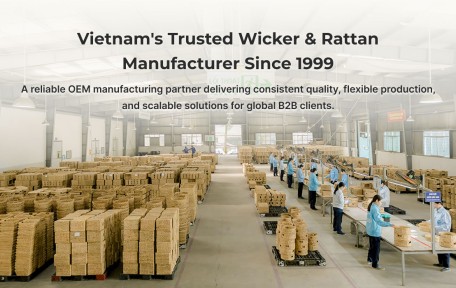
- Verify Compliance: Partner with manufacturers like Phu Minh Co., Ltd. who comply with global social and quality audits such as BSCI, SMETA, and ISO 9001:2015. This mitigates supply chain risks and aligns with corporate ESG goals.
- Demand Strict Moisture Control: Natural fibers are susceptible to mold in high-humidity resort environments. Ensure your supplier uses advanced kiln-drying and anti-mold treatments to guarantee product longevity.
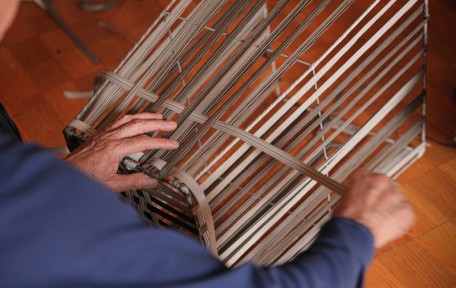
- Leverage Customization: Work with suppliers capable of scaling custom designs, mixing materials like rattan, pine wood, and polyester ropes to match specific resort brand aesthetics.
FAQ SECTION:
1- How does Phu Minh ensure the durability of woven wall decor in humid resort environments?
Phu Minh applies strict moisture control processes, utilizing advanced kiln-drying technology and eco-friendly anti-mold treatments to ensure all rattan, bamboo, and seagrass wall decor maintains its structural integrity and beauty in high-humidity climates.
2- What certifications should B2B buyers look for when sourcing natural wall decor?
Buyers should look for internationally recognized certifications such as BSCI and SMETA for ethical labor practices, SCAN for supply chain security, and ISO 9001:2015 for consistent quality management.
3- Can woven wall decor be customized for large-scale hotel projects?
Yes, Phu Minh specializes in B2B customization. We can adjust dimensions, weaving patterns, and combine natural materials like rattan, seagrass, and bamboo with acacia wood or cotton ropes to match any resort's specific design scheme.
RELAVANT ARTICLES