The Gen Z Shift: Future Trends in US Sustainable Home Decor and Handicrafts
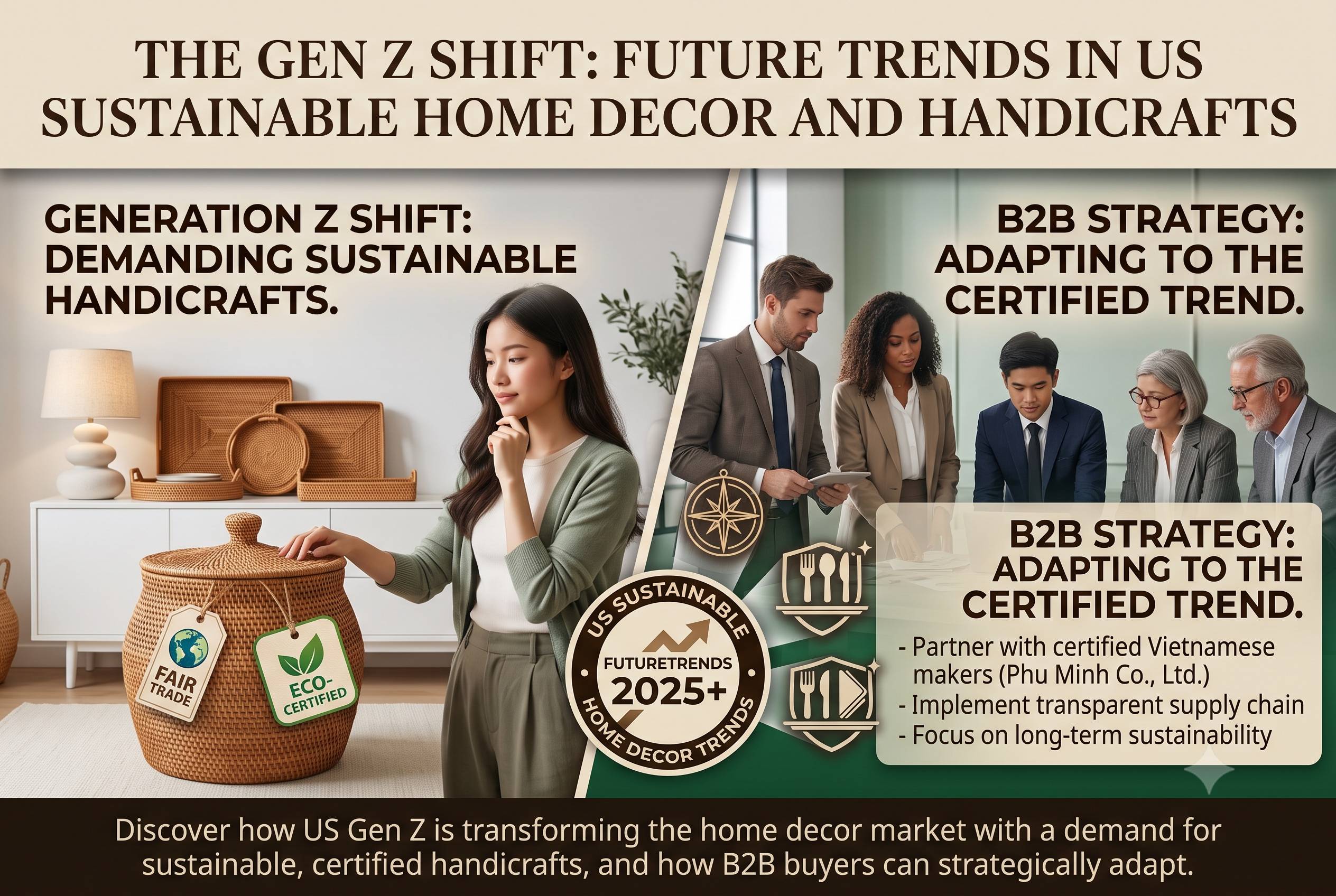
KEY TAKEAWAYS:
- US Gen Z consumers prioritize sustainability, driving a surge in demand for handicrafts made from natural materials like rattan, bamboo, and seagrass.
- Ethical transparency is non-negotiable for Gen Z, making compliance certifications like BSCI, SMETA, and SCAN critical for B2B sourcing.
- Versatile, eco-friendly storage solutions and functional decor are replacing mass-produced plastics in modern retail portfolios.
EXECUTIVE SUMMARY: THE RISE OF THE CONSCIOUS CONSUMER
A profound demographic shift is reshaping the US home decor landscape. Generation Z (born 1997–2012) is rapidly entering the housing and rental markets, bringing with them a distinct set of values that contrast sharply with previous generations. For global B2B buyers, retailers, and interior designers, understanding this cohort is no longer optional—it is a strategic necessity. This report analyzes how Gen Z’s preference for sustainability, authenticity, and ethical production is driving demand for premium, natural handicraft products, and how global supply chains must adapt to secure long-term market share.
CURRENT LANDSCAPE: HOW GEN Z IS REDEFINING US HOME DECOR
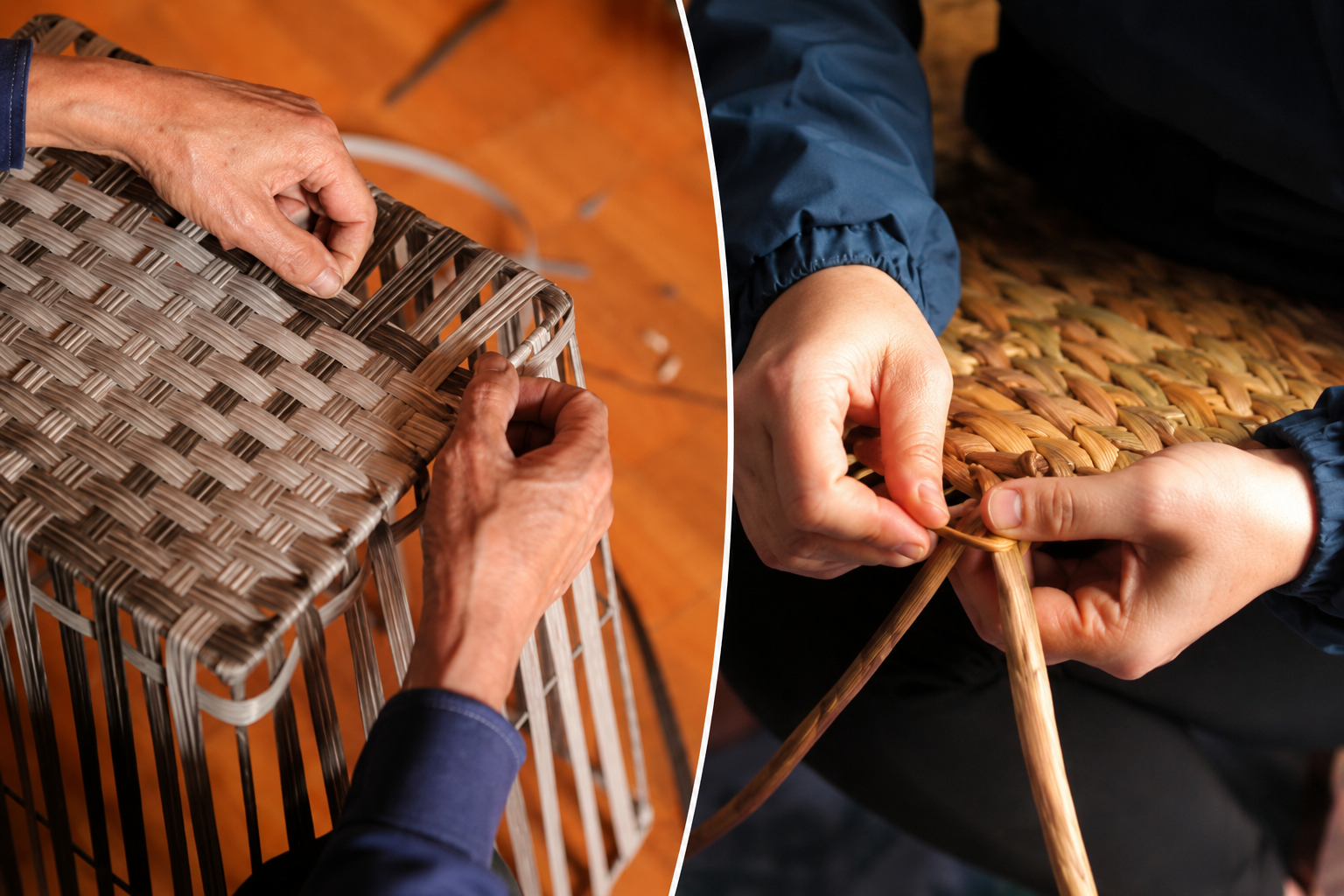
Unlike older demographics who prioritized convenience and low-cost mass production, US Gen Z consumers view their living spaces as an extension of their personal identity and ethical values. Recent consumer studies indicate that over 70% of Gen Z shoppers prefer to buy from sustainable brands and are willing to pay a premium for eco-friendly products. This mindset has triggered a significant decline in the appeal of 'fast homeware'—cheap, synthetic, mass-produced items destined for landfills. Instead, there is a booming market for artisanal, handcrafted goods that tell a story of cultural heritage and environmental stewardship.
KEY TRENDS: NATURAL MATERIALS AND ETHICAL SOURCING TAKE CENTER STAGE
1. The Ascendancy of Natural, Biodegradable Materials
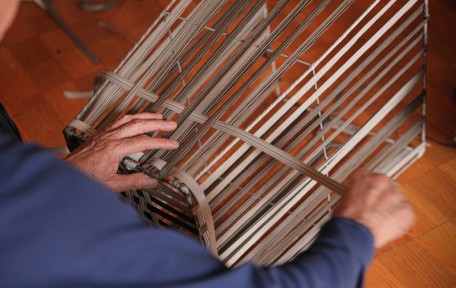
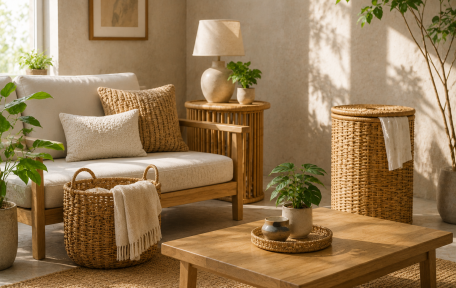
Gen Z’s aversion to plastics has led to a massive resurgence in natural fibers. Products crafted from rattan, bamboo, seagrass, and water hyacinth are highly sought after for their organic textures and minimal carbon footprint. These renewable materials blend seamlessly with popular design aesthetics such as 'Japandi', 'Biophilic Design', and 'Warm Minimalism'.
2. Functional Aesthetics and Eco-Friendly Storage
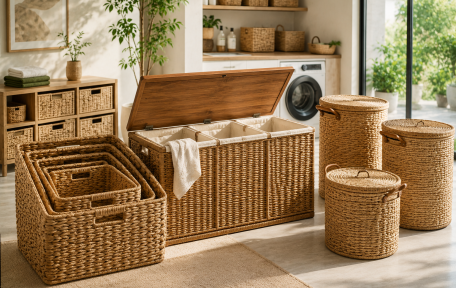
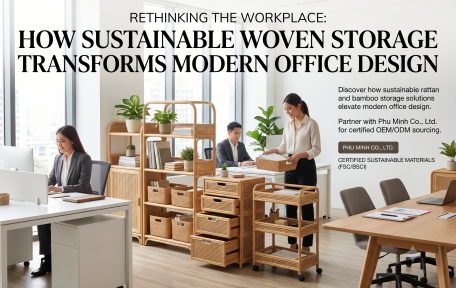
As urban living spaces shrink, Gen Z demands furniture and accessories that offer both high utility and aesthetic appeal. Woven laundry hampers, multipurpose storage baskets, and modular storage furniture made from sustainable acacia or pine wood are replacing plastic bin alternatives. These items serve as decorative statement pieces while organizing the home.
3. Non-Negotiable Demand for Ethical Transparency
For Gen Z, a product's origin is just as important as its design. They actively seek brands that guarantee fair wages, safe working conditions, and responsible sourcing. Consequently, US retailers are holding their supply chains to unprecedented standards, requiring manufacturers to possess robust international certifications.
FUTURE OUTLOOK: THE LONG-TERM TRAJECTORY OF THE HANDICRAFTS MARKET
Looking toward the end of the decade, the demand for sustainable handicrafts is projected to grow exponentially. As Gen Z’s purchasing power matures, we anticipate a complete phase-out of single-use plastic storage in mainstream retail. The future belongs to circular design—products that can be repaired, repurposed, or safely biodegraded at the end of their lifecycle. B2B buyers who establish early partnerships with certified, sustainable manufacturers will capture a highly loyal and lucrative market segment, securing their position at the forefront of the green retail revolution.
STRATEGIC RECOMMENDATIONS: ACTION PLAN FOR GLOBAL B2B BUYERS
Align Your Portfolio with Natural Materials
Transition your inventory away from synthetic polymers and toward natural fibers. Focus on sourcing high-quality products made from rattan, seagrass, water hyacinth, and paper cords. These materials resonate deeply with the eco-conscious US demographic.
Partner with Certified Manufacturers
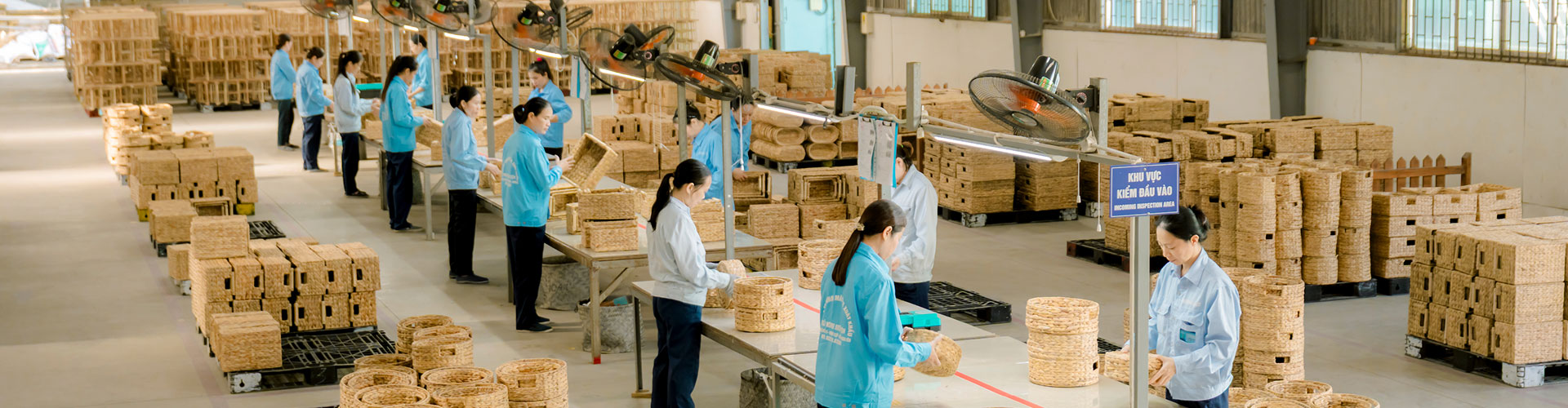
Mitigate compliance risks and build brand trust by partnering with manufacturers who meet rigorous global standards. Ensure your suppliers are certified under BSCI, SMETA, SCAN, WCA, and ISO 9001:2015. This guarantees ethical labor, secure supply chains, and consistent quality control.
Leverage Phu Minh Co., Ltd as Your Strategic Sourcing Partner
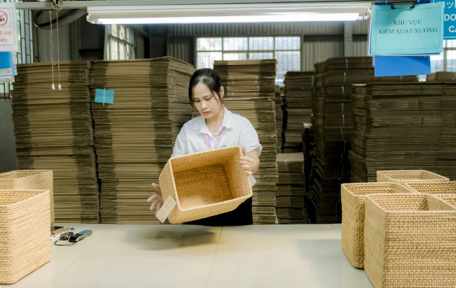
At Phu Minh Co., Ltd, we specialize in manufacturing high-quality, sustainable home decor and storage solutions. Operating with full compliance under BSCI, SMETA, and SCAN, we utilize premium natural materials—including rattan, bamboo, seagrass, and water hyacinth—alongside sustainable acacia and pine wood. By partnering with us, global buyers can confidently deliver the authentic, ethically produced handicrafts that US Gen Z consumers demand.
FAQ SECTION:
1- Why is Gen Z driving the demand for natural handicraft products in the US?
Gen Z values environmental sustainability, authenticity, and unique aesthetics, actively seeking biodegradable materials like rattan and seagrass over synthetic alternatives.
2- What certifications do B2B buyers need to look for when sourcing eco-friendly home decor?
Buyers should prioritize manufacturers with global certifications such as BSCI, SMETA, SCAN, and ISO 9001:2015 to guarantee ethical labor practices and quality management.
3- How can global retailers adapt their product lines for the Gen Z demographic?
Retailers should transition from plastic storage to natural woven baskets, laundry hampers, and modular wooden furniture made from sustainable acacia or pine.
RELAVANT ARTICLES