The Future of Sustainable Handicraft Logistics: Navigating the Reefer vs. Dry Container Dilemma for Rattan and Bamboo Exports

KEY TAKEAWAYS:
- Rattan and bamboo handicrafts are highly sensitive to moisture, requiring strict manufacturing controls (ideally under 12-15% moisture content) to prevent mold during ocean transit.
- While reefer containers offer active climate control, dry containers equipped with industrial-grade desiccant poles are often the most cost-effective and eco-friendly solution for global buyers.
- Transitioning from tropical to temperate climates causes 'container sweat,' which can be successfully mitigated through proper kiln-drying, breathable packaging, and smart container stuffing.
EXECUTIVE SUMMARY: BALANCING PRODUCT INTEGRITY AND COST IN GLOBAL HANDICRAFT SUPPLY CHAINS
The global demand for sustainable home decor, particularly rattan, bamboo, and seagrass woven products, has reached unprecedented heights. However, for B2B buyers and interior designers, sourcing these premium organic items is only half the battle. The critical challenge lies in logistics. Natural fibers are highly sensitive to humidity and temperature fluctuations during ocean transit. This report provides an analytical comparison between Reefer (refrigerated) and Dry container shipping, offering strategic insights to optimize your supply chain, protect product quality, and minimize environmental impact.
THE CURRENT LANDSCAPE: CLIMATE RISKS AND THE THREAT OF 'CONTAINER SWEAT'
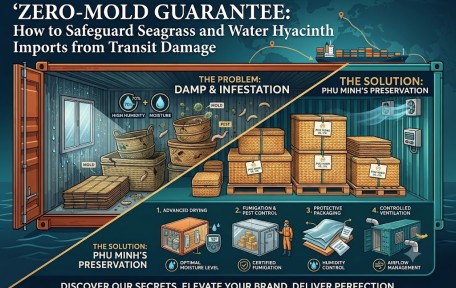
When shipping handcrafted woven goods from tropical manufacturing hubs like Vietnam to temperate markets in Europe and North America, containers cross multiple climate zones [1]. This journey exposes cargo to extreme temperature shifts. Inside a standard dry container, this leads to 'container sweat'—a phenomenon where moisture evaporates from the natural fibers during the day and condenses on the cold metal walls and ceiling at night, raining back down onto the products [1]. This excess moisture triggers mold growth, structural warping, and unpleasant odors, potentially ruining entire shipments of artisanal laundry hampers, storage baskets, and accent furniture.
KEY TRENDS: REEFER VS. DRY CONTAINERS FOR NATURAL FIBER DECOR
To mitigate moisture risks, buyers traditionally choose between two shipping methods:
1. Reefer Containers: Active Climate Control
Reefer (refrigerated) containers continuously control temperature and humidity levels (typically maintained at 15-20°C with low relative humidity). While reefers guarantee that rattan and bamboo products arrive in pristine condition, they come with substantial drawbacks: shipping rates are significantly higher, availability is often limited during peak seasons, and their energy consumption increases the carbon footprint of your supply chain.
2. Dry Containers with Smart Mitigation: Cost-Effective & Sustainable
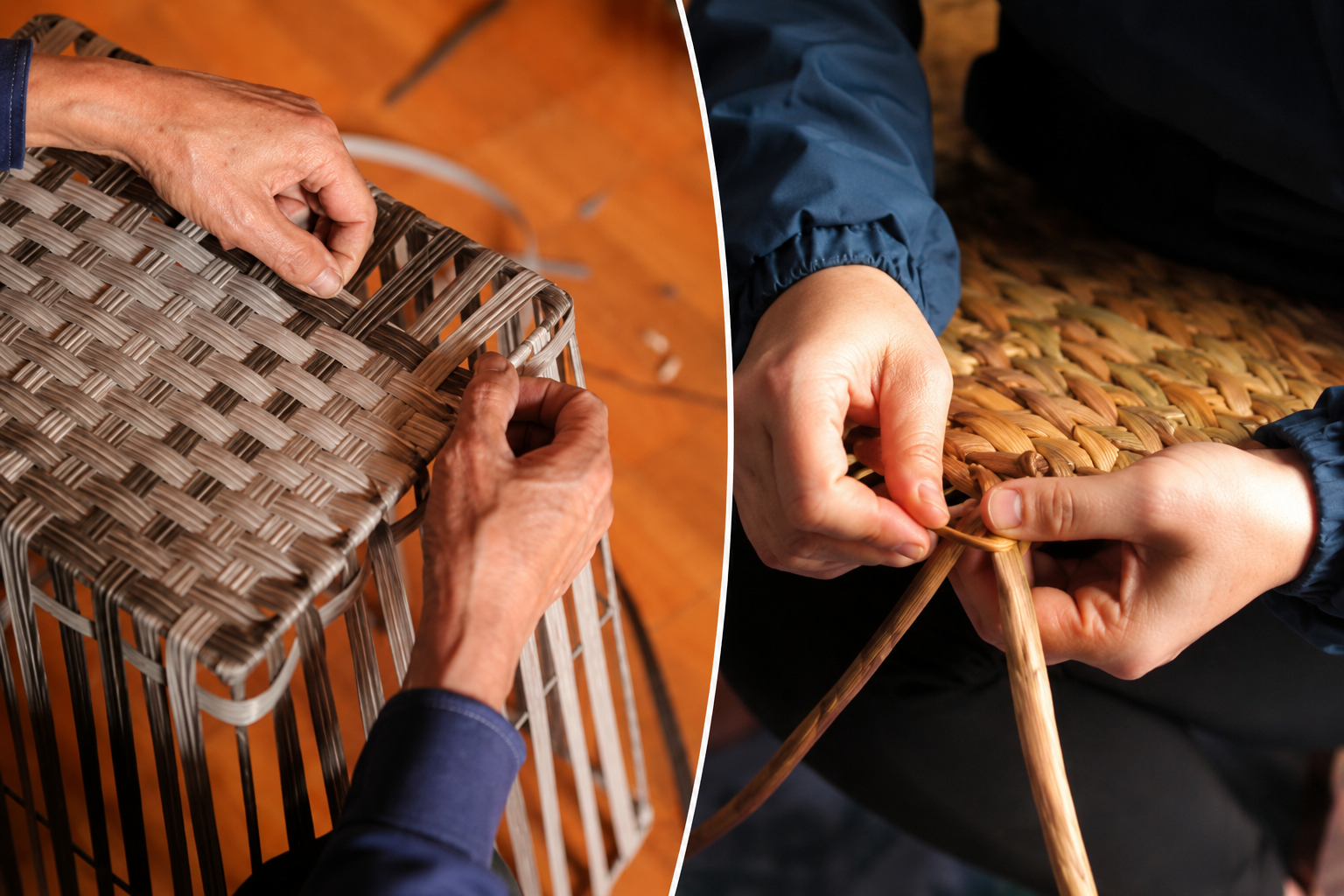
Standard dry containers are the default choice due to lower freight costs and high availability. However, to safely ship organic handicrafts in dry containers, manufacturers must implement rigorous preventative measures. This includes kiln-drying raw materials to a strict 12-14% moisture threshold, using breathable cardboard packaging instead of plastic wraps, and strategically hanging high-absorption calcium chloride desiccant poles inside the container to capture ambient moisture.
FUTURE OUTLOOK: GREEN LOGISTICS AND SMART MOISTURE MITIGATION
As global brands commit to strict ESG (Environmental, Social, and Governance) targets, the carbon footprint of logistics is under intense scrutiny. The high energy consumption of reefer containers makes them less desirable for carbon-neutral supply chains. The future of handicraft logistics lies in 'Smart Dry Shipping'. We are seeing a rapid adoption of biodegradable, plant-based desiccants, FSC-certified packaging materials, and real-time IoT humidity sensors that allow buyers to track container conditions via cloud platforms. By combining advanced manufacturing drying techniques with smart dry container configurations, global buyers can achieve zero-mold delivery while maintaining a low carbon footprint.
STRATEGIC RECOMMENDATIONS: PHU MINH'S BLUEPRINT FOR ZERO-MOLD TRANSIT
For global importers seeking to balance cost-efficiency, sustainability, and product safety, we recommend the following multi-layered approach:
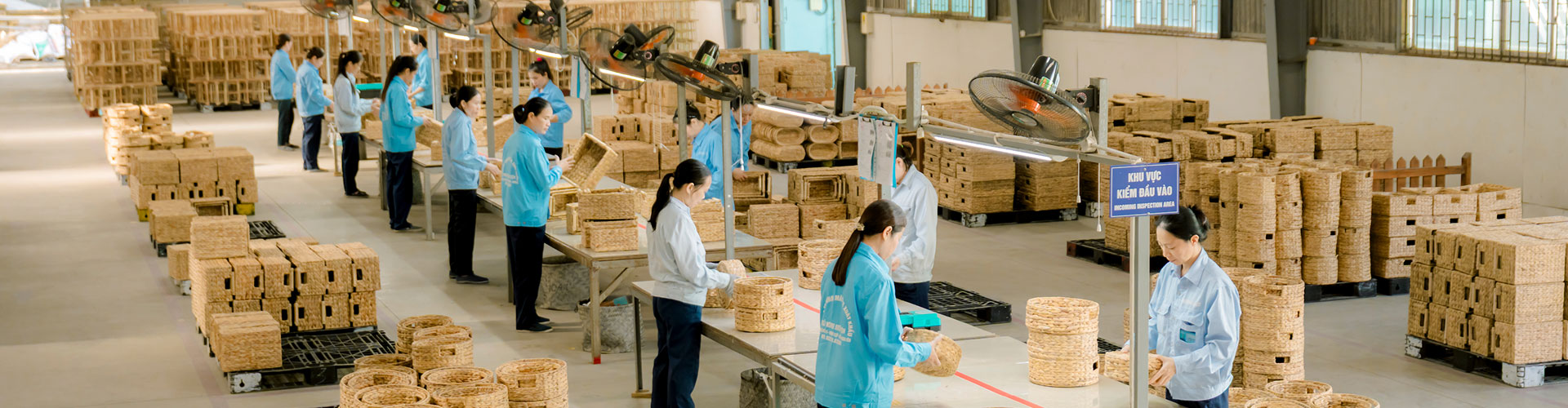
- Partner with Certified Manufacturers: Ensure your supplier holds international certifications like ISO 9001:2015, BSCI, and SMETA. Factories like Phu Minh Co., Ltd adhere to standardized moisture control protocols before loading.
- Optimize Material Moisture: Insist on a strict pre-shipment moisture check. Rattan, bamboo, and acacia wood should never exceed 15% moisture content at the time of stuffing.
- Deploy High-Performance Desiccants: Instead of expensive reefers, utilize dry containers equipped with industrial-grade calcium chloride desiccant poles (minimum of 4 to 6 poles per 40ft HC container) to actively absorb humidity.
- Reserve Reefers for Extreme Scenarios: Use reefer containers only when shipping highly delicate, high-value woven items during periods of extreme seasonal transitions (e.g., mid-summer tropical loading to sub-zero winter discharge).
FAQ SECTION:
1- Why are rattan and bamboo products highly susceptible to mold during shipping?
Natural fibers like rattan, bamboo, and seagrass are hygroscopic, meaning they naturally absorb moisture from the air. When shipped in standard dry containers across different climate zones, temperature drops cause condensation ('container sweat'), creating a breeding ground for mold [1].
2- When should a B2B buyer choose a reefer container over a dry container?
Reefer containers are recommended during extreme seasonal transitions (e.g., shipping from hot, humid tropical summers to freezing European/US winters) or for highly premium, sensitive woven furniture where any risk of moisture damage must be completely eliminated regardless of shipping cost.
3- How does Phu Minh Co., Ltd ensure products do not mold in standard dry containers?
We implement a rigorous quality control process including kiln-drying raw materials to a strict moisture level of 12-14%, applying eco-friendly anti-mold treatments, utilizing high-quality desiccant bags (silica gel/calcium chloride) inside the container, and using breathable, moisture-resistant packaging.
4- What certifications should I look for in a sustainable handicraft manufacturer?
Look for manufacturers with international quality and social compliance certifications such as ISO 9001:2015, BSCI, SMETA, and SCAN. These ensure the factory maintains standardized drying, storage, and loading environments.
RELAVANT ARTICLES