The 2026 Sustainable Sourcing Report: How Artisan Rattan Weaving Uplifts Rural Communities and Secures Resilient Supply Chains
KEY TAKEAWAYS:
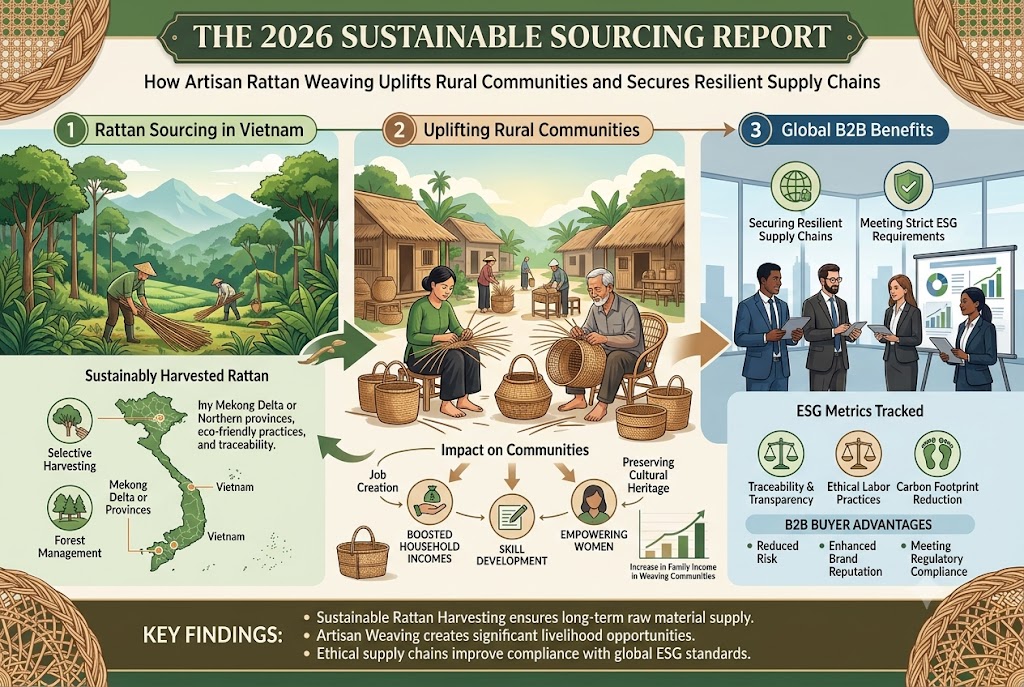
- Artisan rattan weaving provides rural Vietnamese workers with a stable secondary income, boosting average household earnings by 30% to 50% during agricultural off-seasons.
- Over 70% of the handweaving workforce consists of women, driving local gender equality and financial independence by offering flexible, home-based labor models.
- Sourcing from audited manufacturers complying with BSCI, SMETA, and WCA standards ensures ethical production, satisfying global ESG compliance requirements for B2B buyers.
EXECUTIVE SUMMARY
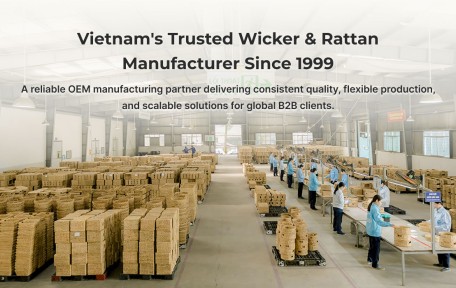
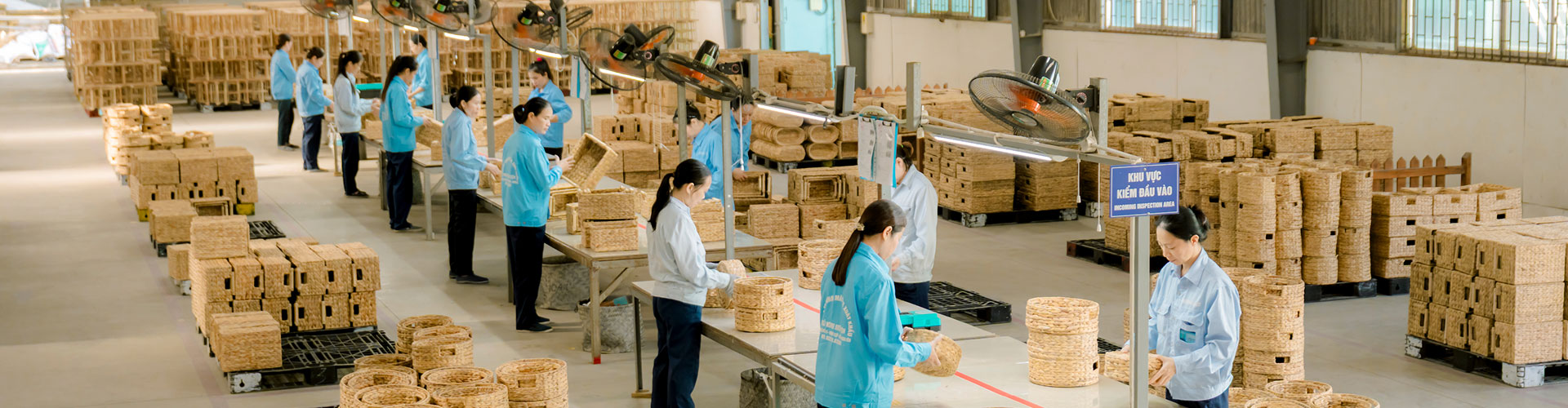
As global consumer preferences shift decisively toward ethical consumption, sustainable sourcing has evolved from a corporate social responsibility (CSR) checkbox into a core competitive advantage. For B2B buyers, retailers, and interior designers, the origin story of a product is now as critical as its design and durability. This report examines the profound socio-economic impact of artisan rattan weaving in Vietnam's rural regions. By bridging traditional craftsmanship with global market demands, compliant manufacturers like Phu Minh Co., Ltd. are transforming underemployed agricultural communities into thriving hubs of sustainable production, offering global brands a resilient, ESG-compliant supply chain.
CURRENT LANDSCAPE: BRIDGING RURAL LABOR WITH GLOBAL MARKETS
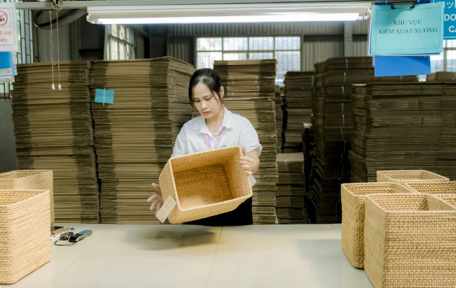
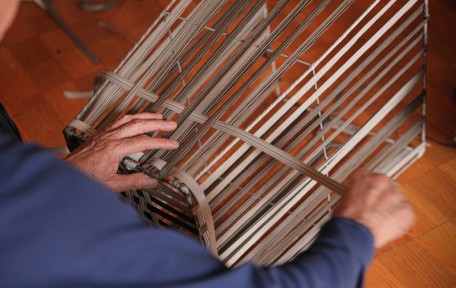
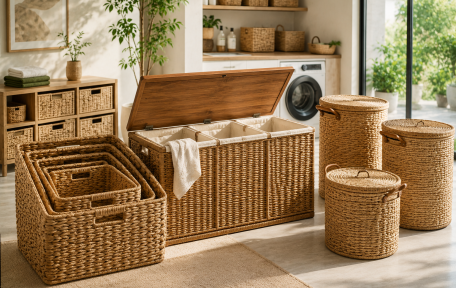
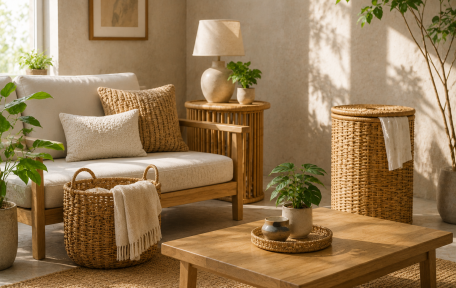
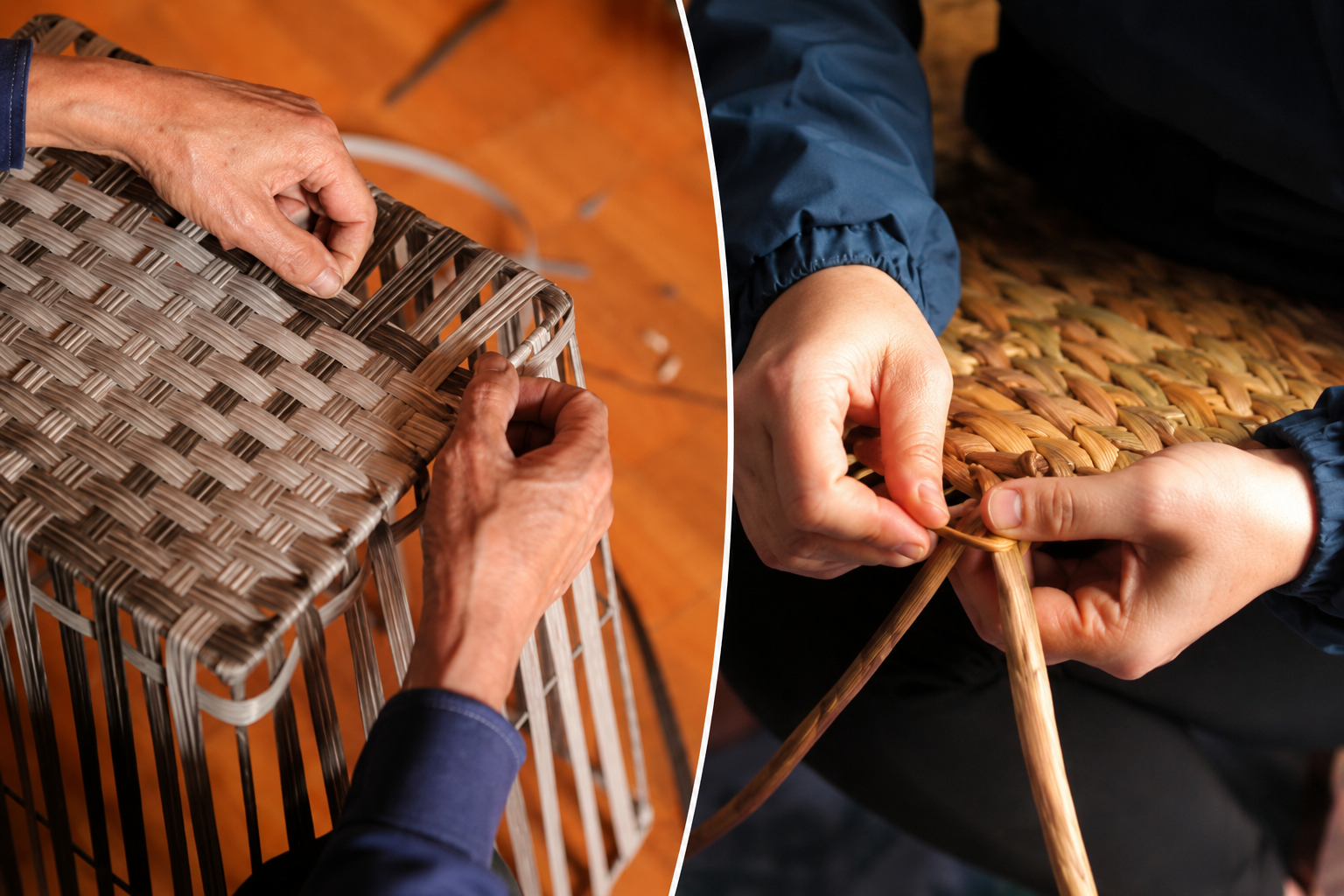
In rural Vietnam, agriculture remains the primary livelihood, yet it is highly seasonal, leaving millions of workers underemployed for several months of the year. Historically, this economic gap fueled rapid rural-to-urban migration, disrupting families and putting immense pressure on city infrastructures. Today, the global demand for natural home decor—ranging from seagrass laundry hampers to rattan storage furniture—has created a viable economic bridge. By integrating handweaving into the rural economy, artisans can utilize local raw materials like rattan, bamboo, water hyacinth, and paper cords to generate stable, year-round income without leaving their ancestral homes.
KEY TRENDS: THE SOCIO-ECONOMIC IMPACT OF HANDWEAVING
1. Substantial Income Diversification
Artisan weaving serves as a powerful financial catalyst. Engaging in handcrafting during agricultural off-seasons allows rural households to increase their average monthly income by 30% to 50%. This additional revenue is directly reinvested into local economies, funding children's education, healthcare, and improved housing conditions.
2. Female Economic Empowerment
Over 70% of the handweaving workforce in Vietnam consists of women. Traditional rattan and water hyacinth weaving offers flexible, home-based working models. This flexibility allows women to earn independent incomes while balancing domestic responsibilities, significantly elevating their social and economic status within their communities.
3. Preservation of Cultural Heritage
Rather than dying out, centuries-old weaving techniques are being preserved and modernized. By aligning traditional skills with contemporary Western design aesthetics, rural artisans keep their cultural heritage alive while producing highly marketable, premium-quality goods for international buyers.
FUTURE OUTLOOK: ESG COMPLIANCE AND THE PREMIUM OF ETHICAL SOURCING
The future of the home decor industry belongs to brands that can prove their social and environmental compliance. Global supply chain regulations are tightening, making third-party audits non-negotiable. B2B buyers are increasingly prioritizing suppliers that hold certifications such as BSCI, SMETA, WCA (Workplace Conditions Assessment), and SCAN (Supplier Compliance Audit Network). Forward-thinking manufacturers who maintain these standards while nurturing rural craft networks will dominate the market. The integration of ISO 9001:2015 quality management systems ensures that social empowerment does not come at the cost of product consistency and excellence.
STRATEGIC RECOMMENDATIONS FOR GLOBAL BUYERS AND DESIGNERS
- Partner with Audited Manufacturers: Secure your supply chain by partnering with established Vietnamese exporters like Phu Minh Co., Ltd., who combine traditional rural weaving networks with rigorous international compliance (BSCI, SMETA, ISO 9001:2015).
- Leverage the Power of Storytelling: Elevate your marketing by highlighting the human impact behind your products. Transparently sharing how a rattan basket or a water hyacinth hamper directly supports a rural family builds deep consumer trust and brand loyalty.
- Diversify Material Portfolios: Blend rattan with other sustainable materials such as acacia, pine wood, bamboo, and recycled PP/PE resin to create innovative, eco-friendly storage solutions and home accessories that appeal to conscious consumers.
FAQ SECTION:
1- How does rattan weaving benefit rural communities in Vietnam?
Rattan weaving creates flexible, home-based employment, particularly for women and farmers during agricultural off-seasons, significantly boosting household incomes and preventing rural-to-urban migration.
2- Why should B2B buyers care about the social impact of handmade home decor?
Modern consumers demand ethical production. Sourcing from socially responsible suppliers helps B2B brands meet strict ESG requirements, enhance brand loyalty, and mitigate supply chain compliance risks.
3- How does Phu Minh Co., Ltd. ensure fair compensation for artisans?
Phu Minh Co., Ltd. strictly adheres to international social compliance standards, including BSCI, SMETA, and WCA, guaranteeing fair wages, safe working conditions, and ethical treatment for all rural weavers.
RELAVANT ARTICLES