How to Source Durable Storage Solutions for High-Humidity Bathrooms: The Complete Guide of a Buyer

KEY TAKEAWAYS:
- Select water-resistant materials such as synthetic PE/PP resin, treated acacia wood, and sealed natural seagrass to prevent moisture damage and mold growth.
- Verify that structural frames utilize rust-proof powder-coated aluminum or stainless steel hardware to endure daily steam and dampness.
- Audit supply chain partners against ISO 9001:2015, BSCI, SMETA, and WCA standards to ensure consistent product durability and ethical manufacturing.
- Prioritize functional design features like elevated base feet, open-weave ventilation, and removable washable liners to maximize product lifespan.
INTRODUCTION: NAVIGATING HIGH-HUMIDITY SOURCING CHALLENGES
Sourcing storage solutions for damp environments like bathrooms presents a unique technical challenge for B2B buyers and interior designers. Bathrooms endure constant humidity fluctuations, steam, and direct splash zones. Subpar material selection leads to product warping, mildew formation, and rapid structural failure—resulting in costly customer returns and brand erosion.
As global market demand shifts toward eco-conscious yet highly resilient home decor, retail buyers must balance aesthetics with technical durability. This guide provides a step-by-step sourcing framework to help international procurement teams evaluate materials, inspect factory quality systems, and select high-performing laundry hampers, storage baskets, and organizers engineered specifically for high-humidity spaces.
PREREQUISITES: KEY MATERIAL AND STRUCTURAL BENCHMARKS
Before finalizing product specifications or placing bulk OEM/ODM purchase orders, buyers must establish non-negotiable performance benchmarks for high-moisture categories:
- Hydrophobic Finish Integrity: Natural fibers must be treated with non-toxic, moisture-barrier sealants or eco-friendly lacquers to prevent fungal spore absorption.
- Corrosion-Resistant Hardware: Internal wireframes, hinges, and corner fasteners must utilize powder-coated aluminum or galvanized stainless steel.
- Breathability and Air Circulation: Designs must allow ambient airflow to dissipate trapped moisture and minimize microbial growth.
- Compliance & Traceability: Factories must maintain standardized quality management systems to guarantee batch-to-batch consistency.
STEP 1: EVALUATE MOISTURE EXPOSURE AND FUNCTIONAL REQUIREMENTS
Assess the exact micro-environment where the product will be deployed within the retail catalog or commercial project:
1. Direct Splash Zones (Under-Sink & Countertop Storage)
Items placed near sinks and shower enclosures require total waterproof resistance. Synthetic PE/PP resin wicker, high-density polyethylene, and non-porous coated materials are essential for these areas.
2. High-Steam Ambient Zones (Floor Hampers & Wall Shelving)
For laundry hampers and tall shelving units exposed to warm steam, natural fibers like seagrass, treated bamboo, and poly-cotton rope perform exceptionally well, provided they feature elevated base designs and open weaves.
STEP 2: SELECT HIGH-PERFORMANCE WATER-RESISTANT MATERIALS
Selecting the ideal raw material is the most vital step in preventing mold and deformation. Consider these top-performing options:
- Synthetic PE/PP Resin Rattan: UV-stabilized, 100% waterproof, and easy to clean. Perfect for long-lasting, high-traffic bathroom organizers.
- Treated Natural Seagrass & Bamboo: Seagrass possesses natural wax coatings that resist water absorption better than softer fibers like water hyacinth. Combined with multi-layer clear lacquer coatings, seagrass baskets offer an organic, luxury look with reliable damp-zone performance.
- Acacia & Pine Wood with Sealant: Acacia wood boasts high natural oil content and density, making it ideal for storage furniture bases, tray tops, and hamper frames when coated with moisture-resistant finishes.
- Polyester & Poly-Cord Ropes: Modern woven rope baskets using synthetic polyester blends retain structural shape while resisting mildew in humid air.
STEP 3: AUDIT FACTORY COMPLIANCE AND QUALITY STANDARDS
A durable product design fails without rigorous manufacturing controls. Protect your brand reputation by vetting manufacturing partners according to international compliance frameworks:
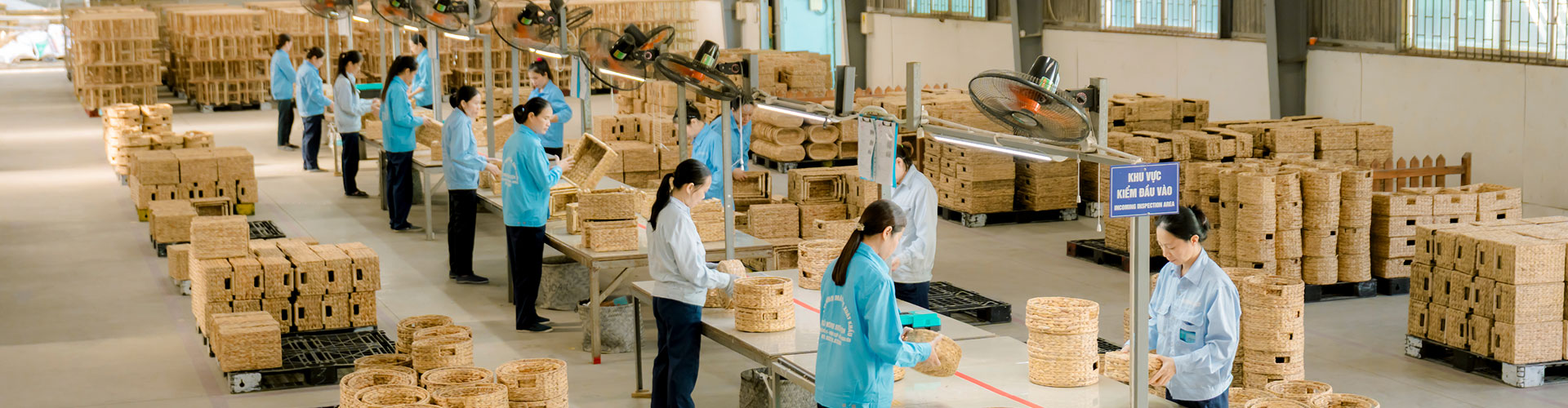
- ISO 9001:2015: Ensures standardized quality assurance protocols throughout raw material drying, weaving, finishing, and packaging.
- BSCI & SMETA: Validates ethical labor standards, working conditions, and social compliance across the production plant.
- SCAN & WCA: Confirms supply chain security, facility safety, and workplace condition assessment standards.
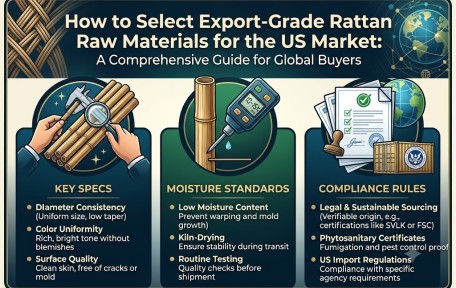
- Kiln-Drying & Moisture Control Testing: Confirm that the factory utilizes digital moisture meters during raw material preparation, keeping natural wood and fiber moisture levels strictly between 8% and 12% prior to production.
STEP 4: INTEGRATE SMART VENTILATION AND STRUCTURAL FEATURES
To maximize product utility and longevity, incorporate these key functional design elements into your private-label specifications:
- Elevated Base Feet: Inset small plastic or acacia feet under woven floor baskets to prevent direct contact with wet tile floors.
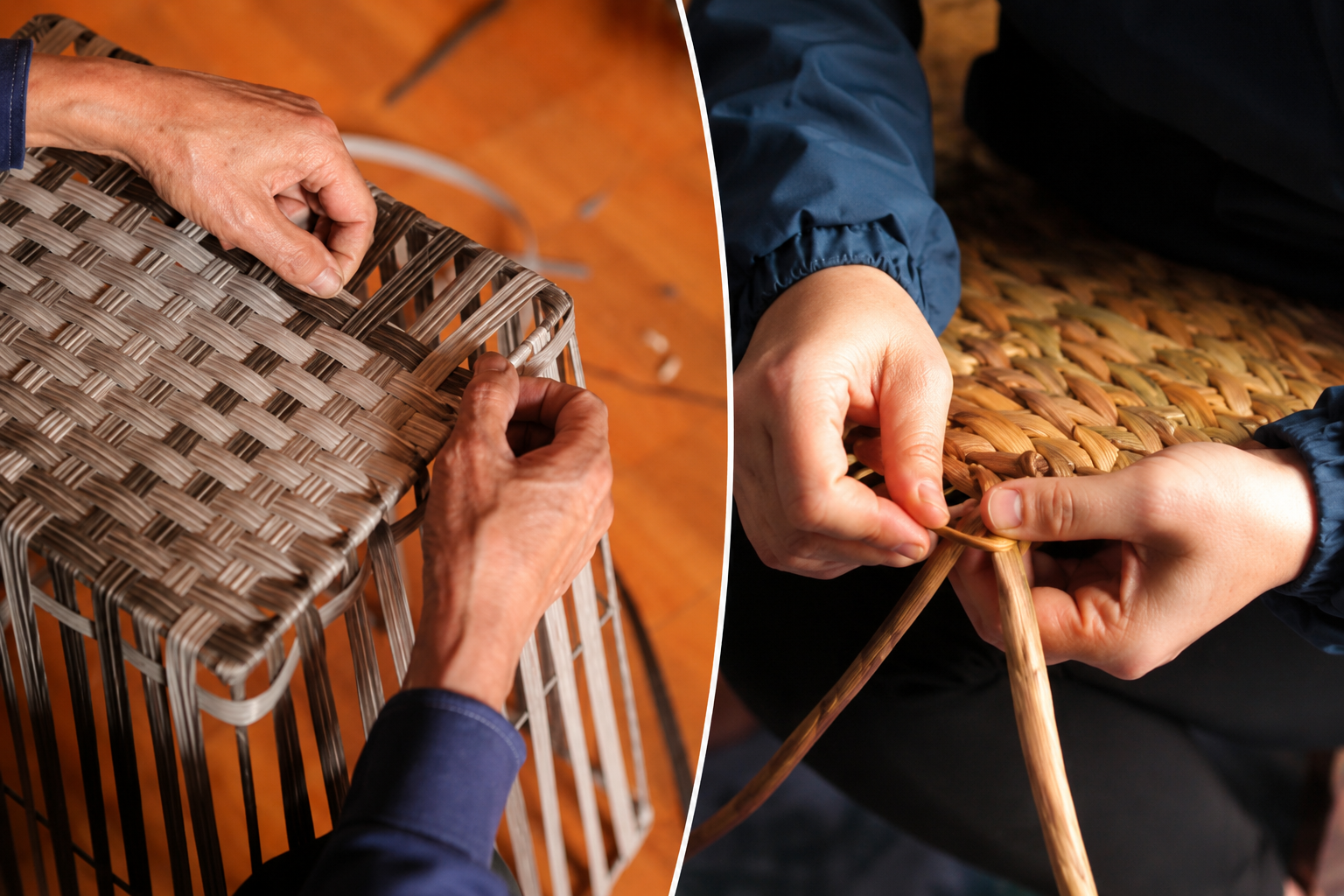
- Open-Weave Architecture: Utilize lattice, open-plait, or classic hand-woven patterns that encourage continuous air circulation inside laundry hampers.
- Removable, Washable Liners: Equip hampers with removable poly-cotton or treated canvas liners that end-consumers can easily detach and wash.
- Knock-Down (KD) Modular Frames: Design collapsible wireframes that reduce CBM shipping volume while maintaining structural stability during prolonged wet usage.
CONCLUSION: PARTNERING FOR SCALABLE, SUSTAINABLE BATHROOM SOLUTIONS
Selecting bathroom storage solutions for humid environments requires a strategic balance between material science, smart ventilation design, and factory compliance. By specifying moisture-resistant materials like synthetic PE resin, sealed seagrass, and treated acacia wood, commercial buyers can deliver premium, durable decor that stands up to daily moisture demands.
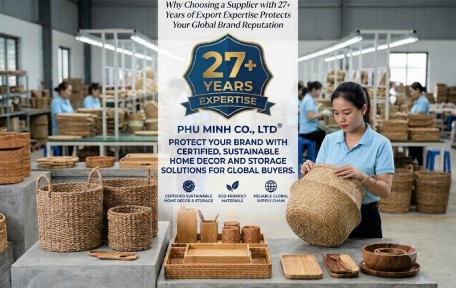
At Phu Minh Co., Ltd., we specialize in manufacturing high-quality home decor, laundry hampers, and storage solutions backed by global audit certifications including ISO 9001:2015, BSCI, WCA, and SCAN. Contact our export sourcing team today to explore custom OEM/ODM solutions tailored for your upcoming seasonal collection.
FAQ SECTION:
1- What natural materials are best suited for high-humidity bathroom storage?
Seagrass and treated acacia wood are among the best natural options. Seagrass features a naturally smooth outer coat that resists water absorption, and when paired with protective lacquer finishes, it delivers excellent durability in humid settings.
2- How do synthetic resin storage baskets compare to natural fibers in damp spaces?
Synthetic PE/PP resin wicker is completely waterproof, highly durable, and immune to mold or mildew growth. It provides the hand-woven aesthetic of natural wicker while offering zero water absorption and effortless cleaning.
3- What factory certifications should global buyers look for when sourcing bathroom organization products?
Buyers should look for ISO 9001:2015 for standardized quality control, BSCI and SMETA for ethical social compliance, and SCAN or WCA for facility security and operational excellence.
4- How can buyers prevent mold growth on natural fiber hampers during ocean transit?
Factories must strictly enforce kiln-drying to maintain raw material moisture content below 12%, apply non-toxic anti-fungal treatments, and include silica gel desiccant packs inside sealed polybags prior to export container loading.
RELAVANT ARTICLES