How to Select the Perfect Natural Fiber for Your Home Storage Collection: The Guide of A B2B Buyer

KEY TAKEAWAYS:
- Rattan offers unmatched structural durability and flexibility, making it ideal for heavy-duty furniture frames and premium woven baskets.
- Bamboo provides exceptional tensile strength and modern aesthetic appeal, perfect for crisp, linear storage solutions and shelving.
- Water Hyacinth delivers a soft, organic texture and cost-effective bulk production, optimal for laundry hampers and decorative storage units.
- Sourcing natural fiber storage products requires auditing suppliers against international standards like BSCI, SMETA, and ISO 9001:2015 to guarantee ethical compliance.
INTRODUCTION: NAVIGATING THE NATURAL FIBER LANDSCAPE FOR GLOBAL STORAGE CATALOGS
As global consumers demand eco-conscious, aesthetic, and functional home organization, sourcing directors and interior designers face the critical task of building sustainable product catalogs. Selecting the right natural material—whether rattan, bamboo, or water hyacinth—impacts not only product durability and aesthetics but also landed costs, supply chain compliance, and overall market position. This guide outlines a step-by-step framework to help B2B buyers evaluate, select, and specify the optimal natural fibers for high-performing home storage collections.
PREREQUISITES: ESSENTIAL CRITERIA BEFORE FIBER SELECTION
Before comparing materials, procurement teams must define clear operational and aesthetic metrics for their home storage catalog line:
- Target Market & Retail Price Points: Align raw material costs with end-consumer price expectations (e.g., luxury boutiques vs. mass-market retail chains).
- Functional Requirements: Determine load-bearing requirements, moisture exposure levels, and usage frequency (e.g., laundry hampers versus decorative shelf totes).
- Compliance Standards: Ensure factory partners hold verified audits such as BSCI, SMETA, SCAN, WCA, and ISO 9001:2015 to safeguard brand integrity.
STEP 1: ANALYZE FIBER CHARACTERISTICS AND FUNCTIONAL FIT
Each natural material possesses distinct physical attributes and aesthetic qualities that suit specific storage categories:
Rattan: The Structural Heavyweight
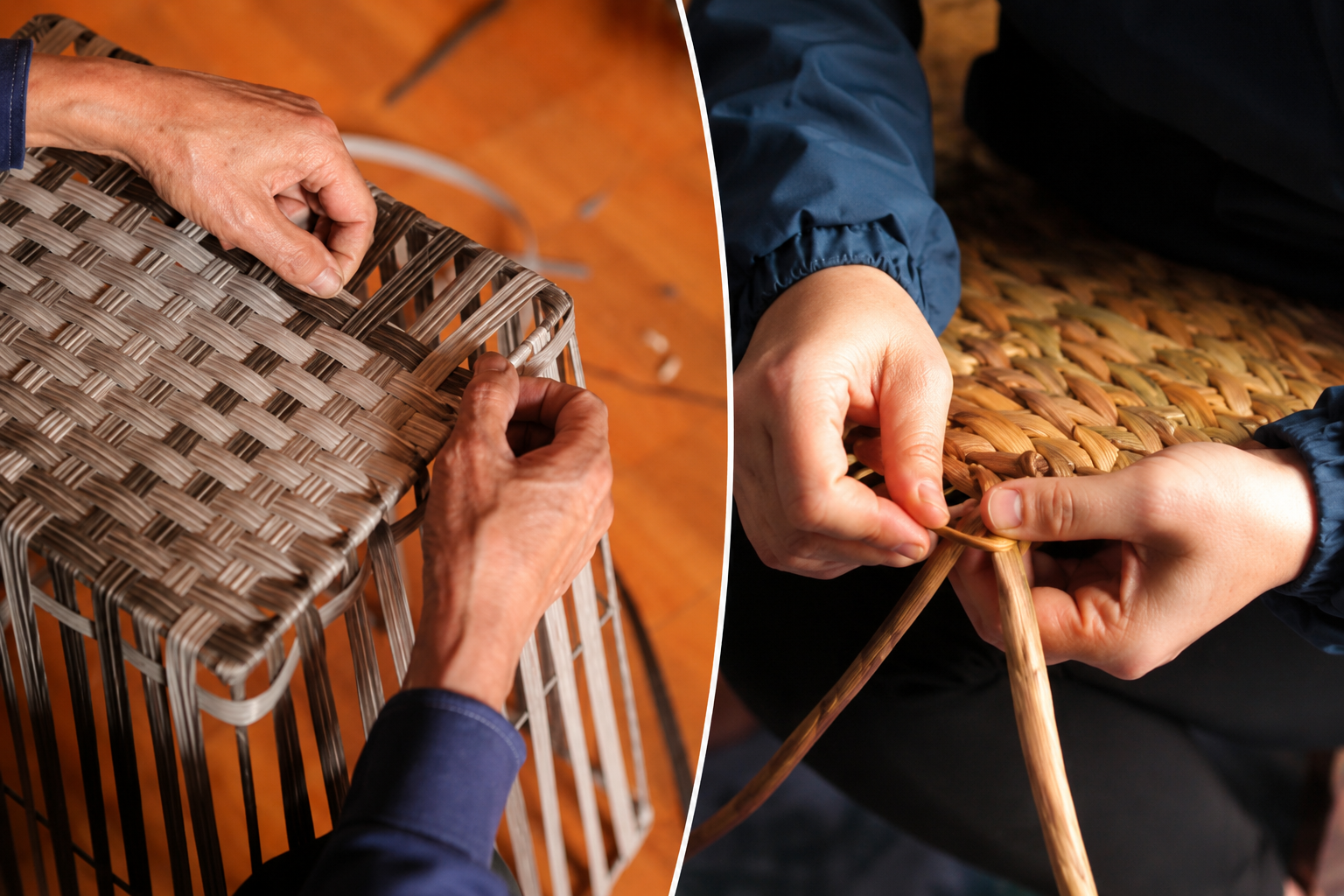
Derived from tropical climbing palms, rattan is renowned for its remarkable pliability and solid core durability. When steamed, it can be bent into intricate curved frames or tightly woven into heavy-duty storage baskets and accent furniture. Rattan is optimal for high-wear items such as large storage trunks, structural furniture drawers, and heavy-use storage units.
Bamboo: Clean Modernity and Tensile Strength
Technically a grass, bamboo features a superior strength-to-weight ratio and rapid renewable growth cycles. Processed into rigid slats or fine woven strips, bamboo offers a clean, contemporary aesthetic. It excels in modular storage boxes, stackable organization trays, and bathroom vanity organizers where moisture resistance and structural rigidity are essential.
Water Hyacinth: Soft, Organic Luxury
Harvested from aquatic waterways, water hyacinth yields thick, fibrous strands that create a plush, artisanal weave. Its natural warmth and tactile texture make it a favorite for decorative storage baskets, collapsible bins, and oversized laundry hampers. Water hyacinth provides an approachable price point while offering high visual impact in living rooms and bedrooms.
STEP 2: MAP MATERIAL PROPERTIES TO PRODUCT CATEGORIES
To maximize catalog coherence and margin optimization, match each fiber type directly to your target storage categories:
- Laundry Hampers & Large Baskets: Choose Water Hyacinth for soft-sided, breathable laundry hampers with cotton liners, or Rattan when rigid structural frames and lid support are required.
- Shelf Organizers & Modular Storage: Select Bamboo for crisp, stackable boxes with precise dimensional tolerances that fit standard shelving units.
- Accent Storage Furniture: Specify Rattan combined with acacia or pine wood frames for durability and high retail margin potential.
- Seasonal Decor & Utility Bins: Utilize Seagrass or Water Hyacinth for lightweight, cost-effective storage solutions that stack efficiently for shipping.
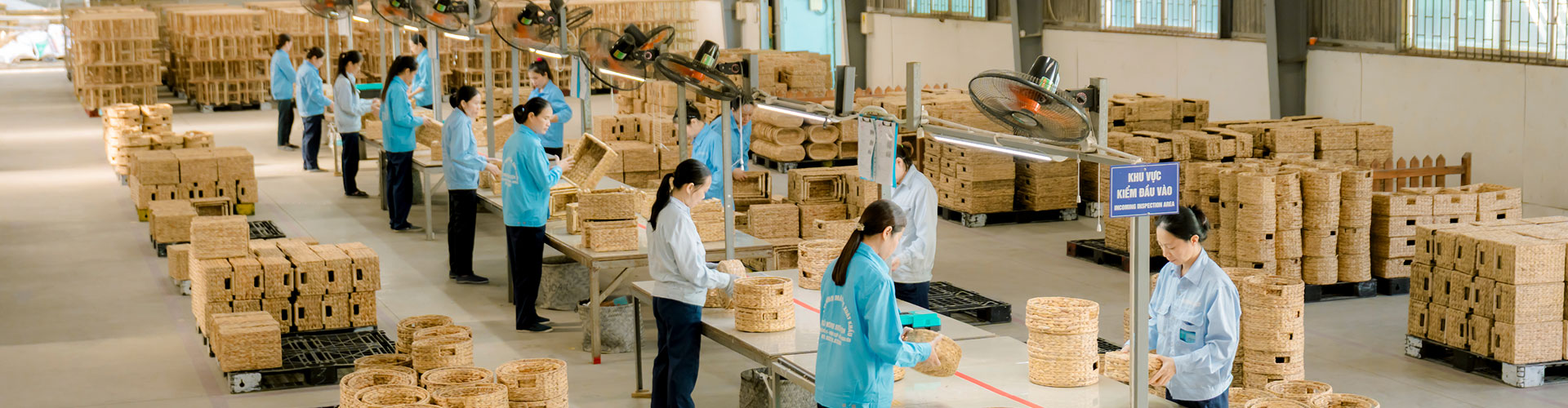
STEP 3: AUDIT SUPPLY CHAIN INTEGRITY AND QUALITY CONTROL
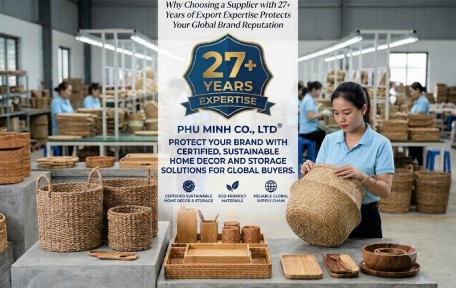
Material selection is only as successful as your manufacturing partner's execution. When finalizing catalog selections, work with experienced OEM/ODM manufacturers like Phu Minh Co., Ltd to enforce rigorous quality control:
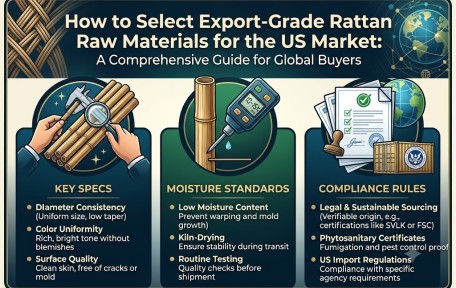
- Moisture Control & Kiln Drying: Verify that raw fibers are treated and dried to under 12-15% moisture content to prevent mold growth during ocean transit.
- Finishing & Protection: Request non-toxic protective coatings or clear lacquers to enhance water resistance and color longevity.
- Ethical & Social Compliance: Confirm that production facilities adhere to BSCI and SMETA guidelines, ensuring fair labor standards and sustainable harvesting practices.
CONCLUSION: BUILDING A BALANCED, MARKET-READY FIBER CATALOG
A successful eco-friendly home storage catalog balances structural performance, visual appeal, and commercial viability. By strategically pairing rattan's strength, bamboo's sleek precision, and water hyacinth's soft texture, buyers can curate a versatile portfolio that captures diverse market segments. Partnering with certified manufacturers like Phu Minh Co., Ltd guarantees high-volume consistency, ethical compliance, and sustainable craftsmanship from harvest to delivery.
FAQ SECTION:
1- Which natural fiber is best for heavy-duty home storage furniture?
Rattan is the premier choice for heavy-duty storage furniture due to its solid core structure, high tensile strength, and superior durability under weight loads.
2- How do bamboo and water hyacinth compare in terms of production cost?
Water hyacinth is generally more cost-effective for bulk woven goods like laundry baskets, whereas bamboo requires precise machining, making it slightly higher in production cost but ideal for modular, rigid storage.
3- How can global buyers prevent mold issue on natural fiber imports?
Buyers should mandate strictly controlled kiln-drying processes (maintaining moisture below 15%), anti-fungal treatments, and desiccants inside export shipping containers.
4- What international factory certifications should buyers require for handwoven storage goods?
Key certifications include BSCI and SMETA for social audit compliance, SCAN or WCA for facility security and workplace conditions, and ISO 9001:2015 for quality management systems.
RELAVANT ARTICLES