How to Revitalize Aged Rattan and Bamboo Decor with Specialized Dry-Cured Clear Coatings: A B2B Refurbishment Guide

KEY TAKEAWAYS:
- Refurbishing aged rattan and bamboo with specialized heat-dried topcoats significantly extends product longevity and improves ROI for B2B buyers.
- Controlling material moisture content below 12% prior to coating is critical to prevent film delamination and internal fungal growth.
- Industrial thermal-cured polyurethane coatings offer superior UV protection, moisture resistance, and scratch durability compliant with global quality standards.
INTRODUCTION: UNLOCKING THE CIRCULAR POTENTIAL OF NATURAL FIBER FURNITURE
In the evolving landscape of sustainable home decor, interior designers and hospitality buyers increasingly prioritize long-term durability and circular design principles. Natural materials like rattan, bamboo, water hyacinth, and seagrass offer unmatched organic aesthetics. However, exposure to humidity, UV radiation, and daily wear can dull their rich natural tones over time. Restoring aged rattan and bamboo products using specialized heat-dried clear coatings presents a lucrative opportunity to extend product lifecycles, maintain brand aesthetics, and fulfill corporate ESG goals.
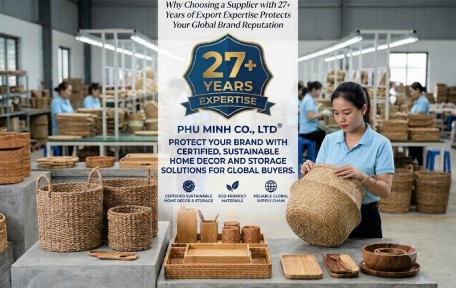
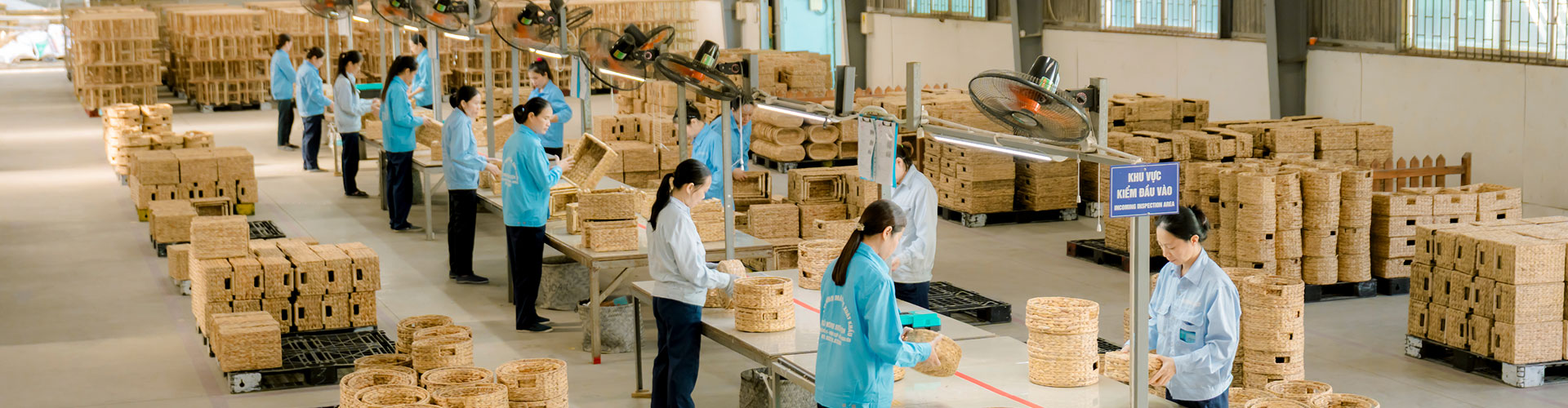
As a leading exporter certified under ISO 9001:2015, BSCI, and SMETA, Phu Minh Co., Ltd. combines traditional craftsmanship with modern finishing technology. This guide outlines the industrial-grade step-by-step process for refurbishing natural woven decor with high-performance clear topcoats.
PREREQUISITES & ESSENTIAL COATING MATERIALS
Achieving a factory-fresh finish requires precise preparation and commercial-grade finishing agents specifically formulated for flexible organic fibers:
- Industrial Cleaning Solvent & Soft Brushes: To strip surface contaminants and mold without damaging fragile vascular bundles.
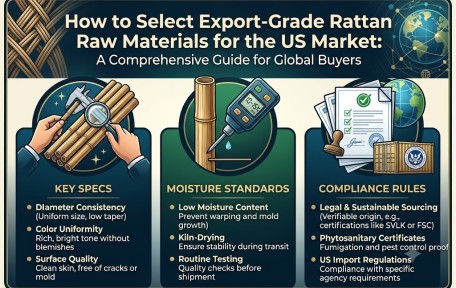
- Precision Moisture Meter: To verify that natural fiber moisture content remains strictly below 12% before coating.
- Fine-Grit Flexible Abrasive Pads (320-400 Grit): Designed for uniform sanding around intricate hand-woven structures.
- Specialized Dry-Cured Topcoat: A two-component polyurethane (PU) or thermo-setting acrylic clear coat engineered for high flexural strength and UV stability.
- Thermal / Infrared Drying Chamber: Controlled heat drying (40°C–50°C) to accelerate polymer cross-linking without warping natural wood or bamboo.
STEP-BY-STEP GUIDE TO COMMERCIAL RATTAN & BAMBOO RESTORATION
Executing the Refurbishment Process
Follow this standardized 4-step protocol to restore natural fiber furniture to commercial specifications.
Step 1: Deep Surface Decontamination and Moisture Regulation
Thoroughly clean the woven weave using compressed air and a mild eco-friendly surfactant. Allow the material to stabilize in a climate-controlled room until internal moisture reaches 8%–10% to prevent trapping humidity under the film.
Step 2: Precision Micro-Sanding
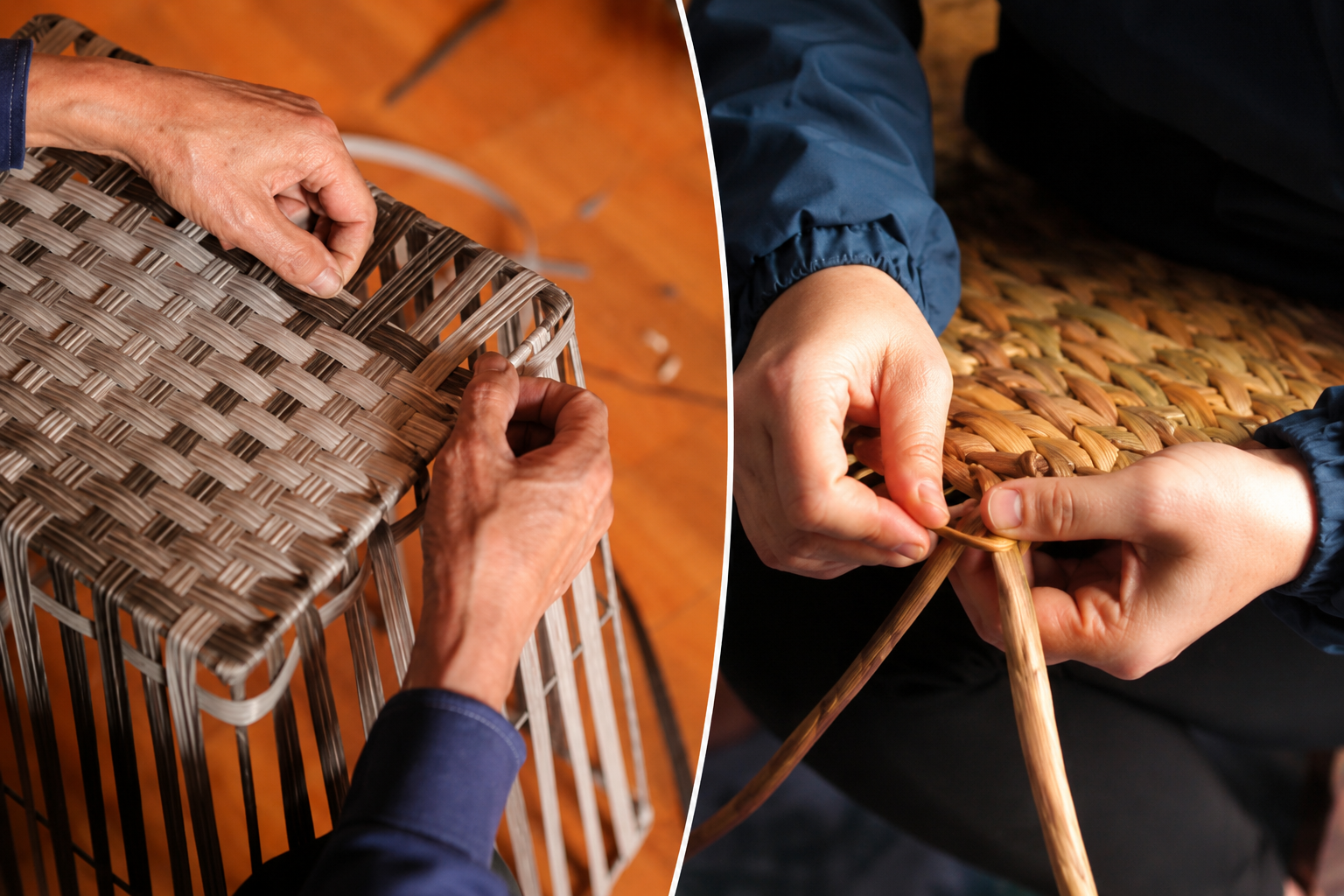
Lightly abrade the existing surface coat using 400-grit flexible pads. Micro-sanding removes oxidized fibers, smooths raised grain on acacia or bamboo components, and creates mechanical keying for optimal coat adhesion.
Step 3: Spray Application of Specialized Clear Coat
Apply a uniform coat of specialized low-VOC polyurethane or acrylic clear resin using an HVLP (High Volume Low Pressure) spray system. Ensure complete coverage in hard-to-reach woven intersections, maintaining a wet film thickness of 60–80 microns.
Step 4: Controlled Heat-Drying & Curing
Transfer coated items into a specialized heat-drying oven set to 45°C for 30–45 minutes. Thermal curing accelerates solvent evaporation and promotes dense molecular cross-linking, resulting in a crystal-clear, scratch-resistant, and water-repellent protective layer.
CONCLUSION: SUSTAINABLE VALUE CREATION FOR GLOBAL BUYERS
Integrating specialized dry-cured refurbishment into your asset maintenance or product line strategy elevates natural decor from disposable items to enduring heritage pieces. By combining eco-friendly raw materials like rattan and acacia with advanced coating systems, commercial buyers can deliver exceptional durability while reducing carbon footprints. At Phu Minh Co., Ltd., we embed global quality standards—SCAN, WCA, BSCI, and ISO 9001:2015—into every stage of manufacturing and finishing. Partner with us to explore sustainable, high-spec woven storage and furniture solutions engineered for global markets.
FAQ SECTION:
1- Why are specialized dry-cured topcoats preferred over standard varnish for rattan furniture?
Specialized heat-dried topcoats offer enhanced flexibility and rapid polymer cross-linking, preventing cracking along flexible woven joints while providing superior moisture and UV resistance.
2- What moisture level is required for bamboo before applying clear topcoats?
Bamboo and rattan must be dried to an optimal internal moisture content of 8% to 12% prior to coating to ensure long-term adhesion and prevent mold formation.
3- Can refurbished natural fiber products meet international B2B compliance standards?
Yes, when processed using certified low-VOC finishes and documented quality protocols compliant with ISO 9001:2015, BSCI, and SMETA standards.
RELAVANT ARTICLES