How to Properly Clean and Care for Water Hyacinth and Seagrass Laundry Hampers Without Damaging Fibers

KEY TAKEAWAYS:
- Dry dusting using soft-bristle brushes or vacuum attachments prevents dust buildup without risking fiber degradation.
- Spot cleaning requires damp—never soaked—microfiber cloths paired with mild, eco-friendly soap or vinegar solutions.
- Thorough air drying in shaded, well-ventilated areas prevents mold, mildew, and structural warping.
- Proactive fiber care extends the product lifecycle, safeguarding brand reputation for retailers and hospitality clients.
INTRODUCTION: PROTECTING YOUR NATURAL FIBER STORAGE INVESTMENT
Water hyacinth and seagrass laundry hampers are cornerstone products in eco-conscious luxury home decor and hospitality sectors. Their natural textures, warmth, and organic aesthetic appeal to discerning global buyers and interior designers seeking sustainable storage solutions.
However, because these natural woven fibers are derived from organic plant materials, improper cleaning methods—such as over-saturation or aggressive chemical usage—can compromise structural integrity, cause fiber fraying, or encourage mold growth. Establishing standard maintenance protocols ensures long-term product viability, customer satisfaction, and optimal commercial performance.
PREREQUISITES AND RECOMMENDED CLEANING MATERIALS
Before initiating any cleaning process on water hyacinth or seagrass products, equip your team or end-users with gentle, fiber-safe tools to prevent accidental damage.
Essential Tools & Supplies
- Soft-Bristle Brush: A horsehair or soft nylon brush to lift trapped dust.
- Vacuum Cleaner: Equipped with a soft brush attachment and low-suction settings.
- Microfiber Cloths: Lint-free and soft to prevent pulling or snagging delicate weaves.
- pH-Neutral Eco Soap or Distilled Vinegar: Mild cleaning agents that break down grime without bleaching fibers.
- Baking Soda: A natural deodorizer for damp laundry odors.
What to Avoid
- Excessive Water: Submerging or soaking woven fibers causes swelling, distortion, and rot.
- Harsh Bleach or Solvents: Chemical strippers strip natural oils and discolor organic finishes.
- Direct High Heat: Avoid hair dryers or prolonged direct sunlight during drying, which causes brittleness.
STEP 1: DRY DUSTING AND DEBRIS REMOVAL
Regular dry maintenance is the single most effective way to maintain natural fiber laundry hampers without using liquid cleaner.
Begin by using a soft brush attachment on a vacuum cleaner set to low suction. Sweep gently along the direction of the weave—not against it—to extract dust, lint, and dry particles from tight grooves. Alternatively, use a soft-bristle hand brush in smooth, downward strokes to clear outward debris without scratching protective surface coatings.
STEP 2: SPOT CLEANING AND MILD STAIN TREATMENT
When damp clothing leaves spots or mild soil marks inside or outside the hamper, spot cleaning must be handled with precision.
The Damp Cloth Technique
Mix 1 teaspoon of mild pH-neutral soap or organic dish detergent into 2 cups of lukewarm water. Lightly dampen a microfiber cloth in the solution and wring it out completely until it is barely moist to the touch.
Gently blot the affected area on the hamper rather than rubbing vigorously. Rubbing creates friction that frays delicate water hyacinth strands or tears seagrass twists. For localized mildew specks, substitute soap with a 1:1 solution of white vinegar and water to neutralize fungal spores naturally.
STEP 3: ODOR NEUTRALIZATION AND THOROUGH MOISTURE CONTROL
Because laundry hampers regularly hold damp garments, humidity and trapped odors present common operational challenges.
To eliminate lingering odors, light-dust the interior bottom of the hamper with pure baking soda. Allow it to sit for 20 to 30 minutes to absorb moisture and trapped smells before vacuuming clean. To dry the hamper completely after spot cleaning, place it in a dry, well-ventilated space with indirect airflow. Ensure it is completely dry before returning fabric liners or closing lid mechanisms to eliminate mold risk.
CONCLUSION: ENSURING COMMERCIAL LONGEVITY AND SOURCING SUPERIOR CRAFTSMANSHIP
Educating end-consumers and facility maintenance teams on gentle care guidelines maximizes product lifespans and protects retail brand equity. With appropriate care, water hyacinth and seagrass hampers maintain their rich textures, strength, and premium appearance for years.
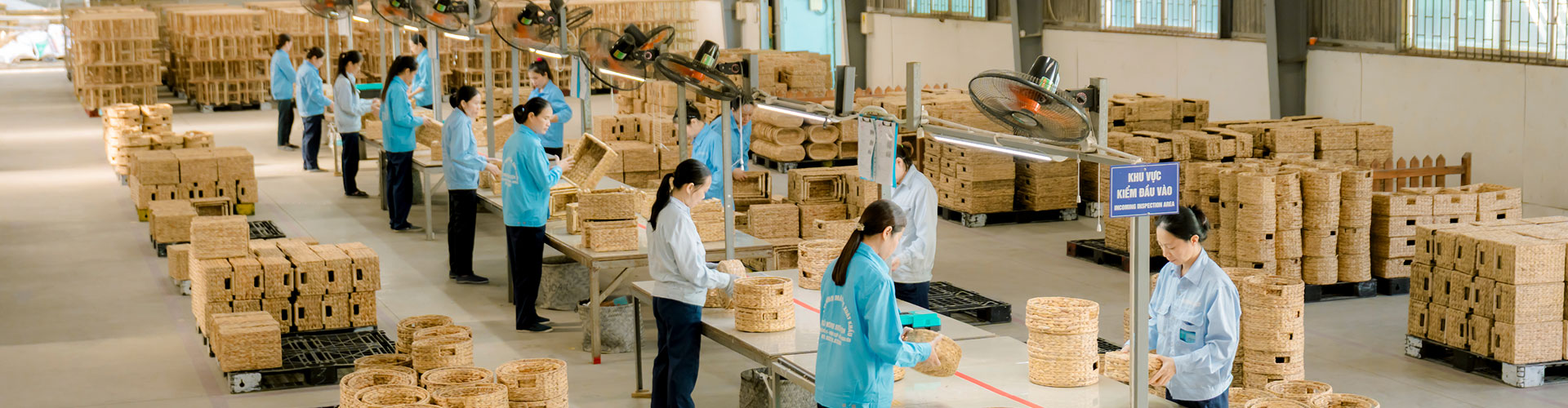
At Phu Minh Co., Ltd., we produce world-class woven storage solutions utilizing advanced anti-mold pretreatments and rigorous quality control standards (certified SCAN, WCA, BSCI, SMETA, and ISO 9001:2015). Partner with us to deliver durable, eco-luxury natural fiber products designed to excel in demanding global markets.
FAQ SECTION:
1- Can water hyacinth or seagrass laundry hampers be rinsed with running water?
No. Submerging or rinsing natural fiber hampers under water saturates the internal core of the fibers, leading to swelling, loss of shape, and structural decay.
2- How can commercial buyers prevent mold growth on natural fiber hampers during transit or storage?
Buyers should source products from certified manufacturers like Phu Minh Co., Ltd., who apply professional kiln-drying techniques, anti-fungal treatments, and moisture-controlled packaging.
3- What is the safest way to dry a natural hamper after accidental exposure to water?
Blot immediately with dry towels to absorb surface liquid, then position the hamper in a warm room with strong active airflow (such as near an oscillating fan) out of direct sun.
RELAVANT ARTICLES