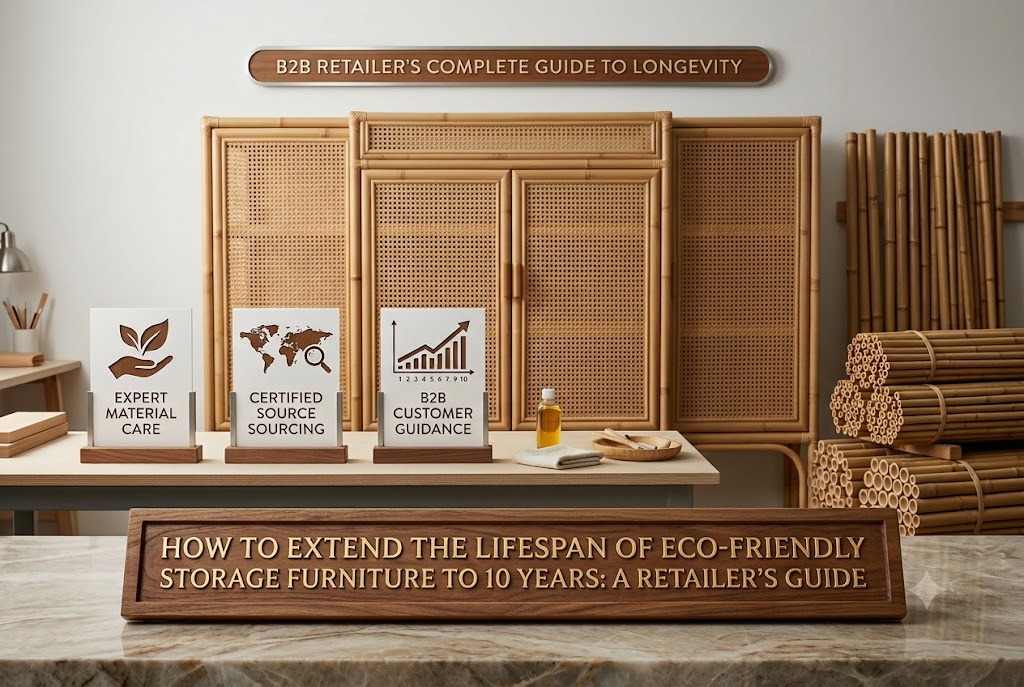
How to Extend the Lifespan of Eco-Friendly Storage Furniture to 10 Years: A Uselful Guide from a B2B Retailer
KEY TAKEAWAYS:
- Sourcing storage furniture made from certified, durable materials like Acacia wood, rattan, and water hyacinth is the foundation for a 10-year product lifespan.
- Maintaining indoor relative humidity between 40% and 60% prevents natural fibers from developing mold or cracking due to excessive dryness.
- Routine dry cleaning with a soft brush and avoiding harsh chemical solvents preserves the natural protective oils of woven storage materials.
- Distributing weight evenly and lifting rather than dragging storage furniture protects structural joints and metal frames from mechanical failure.
INTRODUCTION: WHY PRODUCT LONGEVITY IS THE ULTIMATE B2B VALUE PROPOSITION
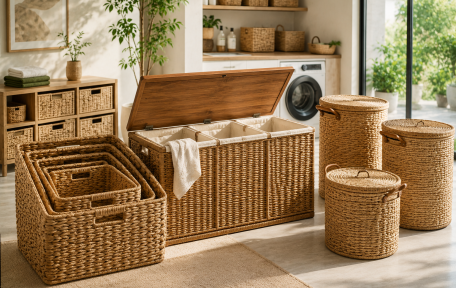
In the highly competitive global home decor market, B2B buyers, importers, and interior designers face a dual challenge: meeting the rising demand for sustainable products while ensuring long-term durability. When eco-friendly storage furniture—such as laundry hampers, storage chests, and woven baskets—lasts for a decade, it drastically reduces return rates, enhances brand reputation, and minimizes environmental impact. By educating your end consumers on proper maintenance, you transform a simple purchase into a lifelong sustainable investment. This guide outlines the essential steps to help your customers extend the lifespan of natural-material storage furniture up to 10 years.
PREREQUISITES: SOURCING THE RIGHT FOUNDATION OF CERTIFIED MATERIALS
The 10-Year Journey Begins at the Sourcing Stage
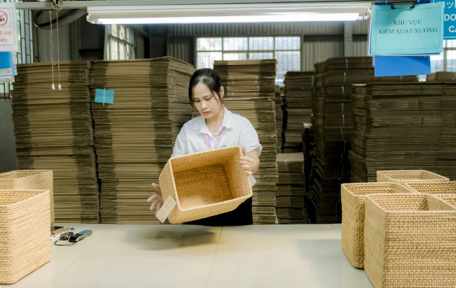
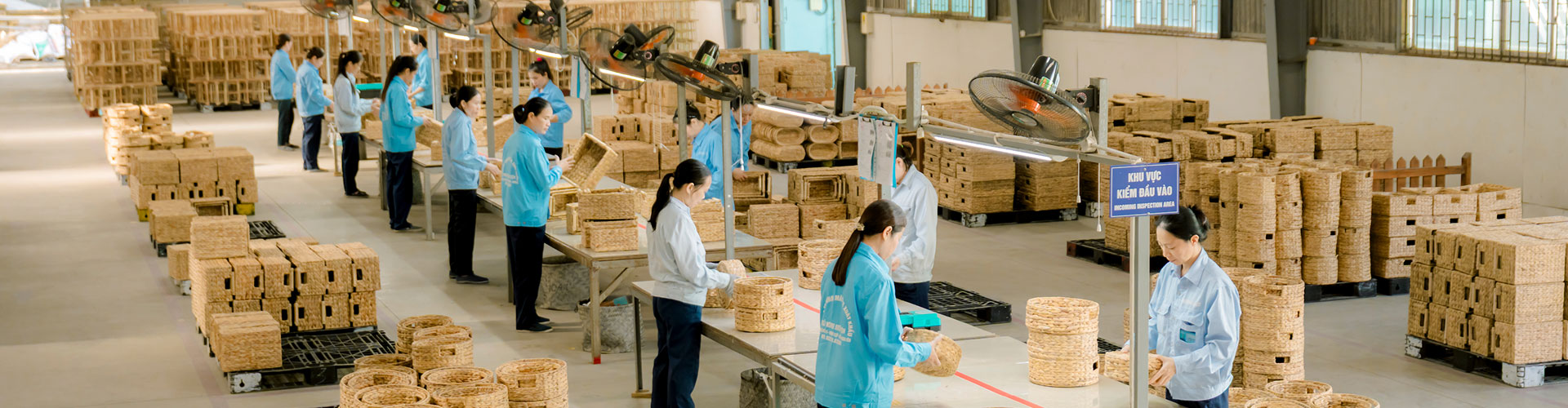
Before any care routine can begin, the furniture must be built to last. For global retailers, this means partnering with manufacturers like Phu Minh Co., Ltd that adhere to strict international quality and social compliance standards, including ISO 9001:2015, BSCI, SMETA, and SCAN. To guarantee a 10-year lifespan, ensure your inventory features these high-performance, sustainable materials:
- Frame & Support: Premium Acacia or Pine wood, or powder-coated metal frames that resist warping and rust.
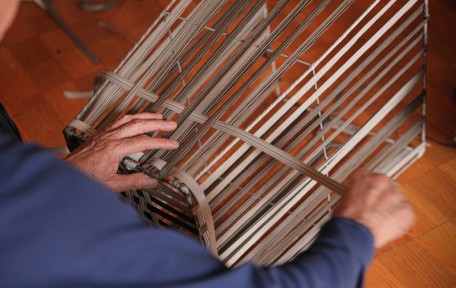
- Woven Body: High-grade natural fibers such as rattan, bamboo, water hyacinth, and seagrass, or high-durability synthetic alternatives like PP/PE resin and paper cords.
- Assembly: Heavy-duty polyester or cotton ropes and reinforced joints that distribute weight evenly.
STEP 1: IMPLEMENT PROPER ENVIRONMENTAL CONTROLS
Protecting Storage Furniture from Humidity and Sunlight
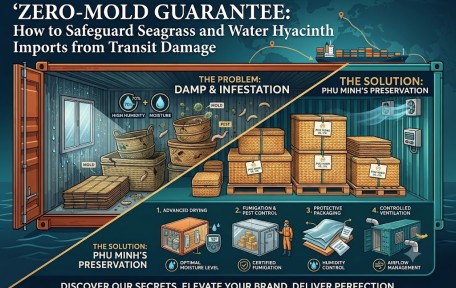
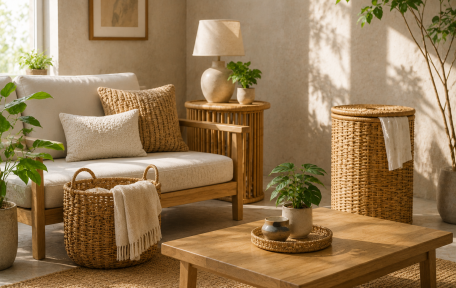
Natural fibers are highly sensitive to their environment. To prevent degradation, consumers should keep storage furniture in a balanced indoor climate. High humidity (above 60%) can lead to mold and mildew growth on water hyacinth and seagrass. Conversely, extremely dry air can cause rattan and bamboo to become brittle and crack.
Key Actionable Tips:
- Maintain Optimal Humidity: Advise customers to keep indoor relative humidity between 40% and 60% using humidifiers or dehumidifiers as needed.
- Avoid Direct Sunlight: Position woven storage furniture away from harsh, direct UV rays to prevent the natural fibers and dyed paper cords from fading and drying out.
- Ensure Adequate Ventilation: Do not place natural fiber storage hampers in completely unventilated, damp basements or bathrooms without proper exhaust fans.
STEP 2: ESTABLISH A GENTLE CLEANING AND MAINTENANCE PROTOCOL
How to Clean Woven and Wooden Storage Furniture Safely
Harsh chemical cleaners are the enemy of natural materials. They strip away the natural protective oils of rattan and bamboo, leading to premature aging. A gentle, dry-first cleaning method is the best way to preserve the structural integrity of the furniture.
The Cleaning Routine:
- Weekly Dusting: Use a soft-bristled brush, a microfiber cloth, or a vacuum cleaner with a brush attachment to gently remove dust and debris from the crevices of woven weaves.
- Damp Wiping (As Needed): For minor spills, wipe the area with a soft cloth slightly dampened with mild, soapy water. Avoid soaking the fibers.
- Thorough Drying: If the furniture gets wet, dry it immediately with a soft towel and allow it to air-dry completely in a well-ventilated area before placing items back inside.
STEP 3: PREVENT MECHANICAL STRAIN AND OVERLOADING
Proper Weight Distribution and Handling
Even the most durable acacia wood or reinforced metal frames can suffer structural damage if subjected to improper weight distribution or rough handling. Educating consumers on weight limits is crucial for preventing joint misalignment and sagging.
Usage Best Practices:
- Even Weight Distribution: Store heavier items at the bottom of storage chests and hampers to maintain a low center of gravity and prevent tipping.
- Respect Weight Capacities: Do not exceed the manufacturer-specified weight limits, especially for hanging storage units or baskets with thin woven handles.
- Lift, Don't Drag: When moving storage furniture, always lift it from the base. Dragging puts immense lateral pressure on wooden legs and joints, leading to structural loosening over time.
CONCLUSION: BUILDING BRAND LOYALTY THROUGH SHARED KNOWLEDGE
Empower Your Customers, Grow Your Business
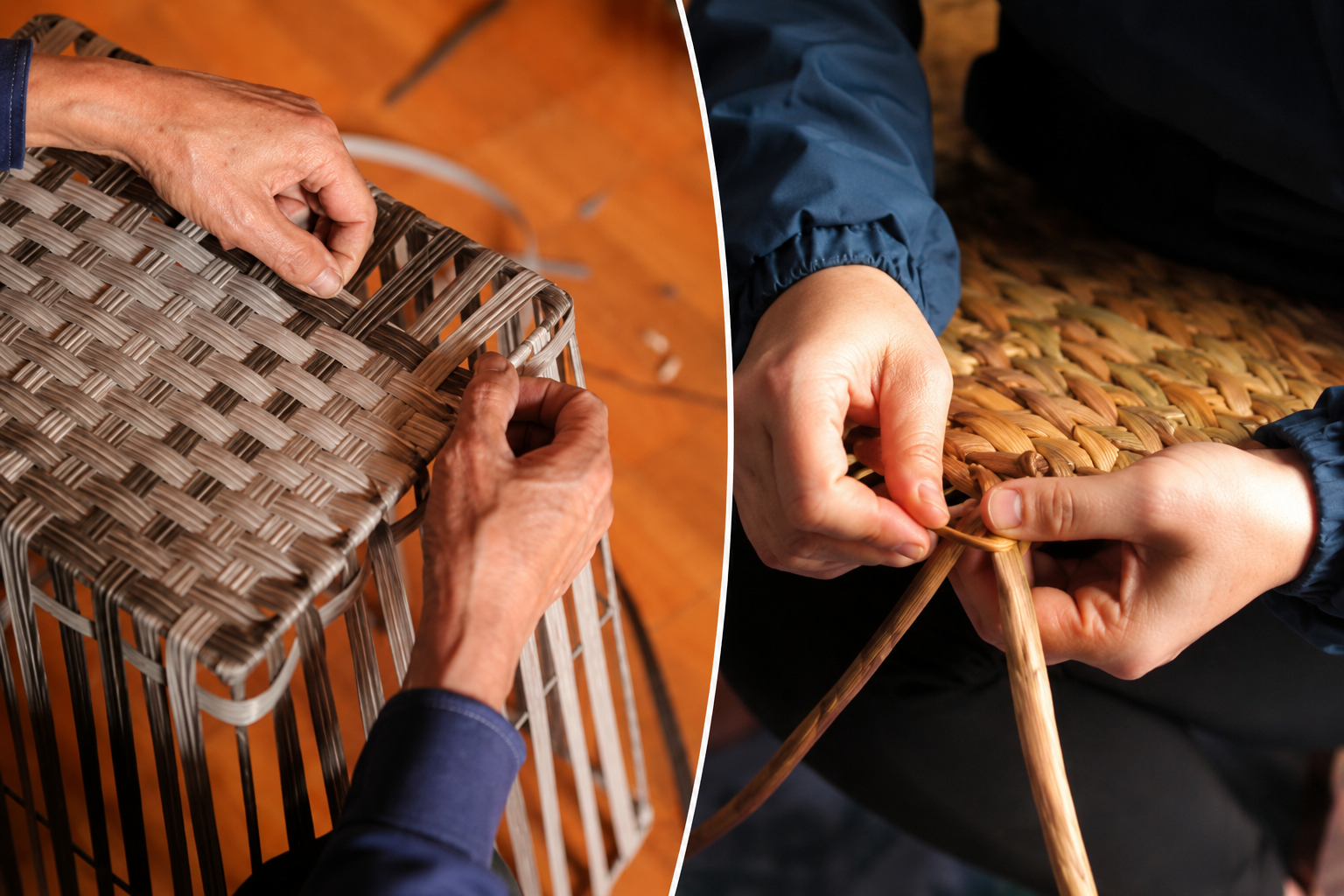
By sharing these practical maintenance tips with your customers, you position your brand as an expert in sustainable living. Long-lasting products lead to satisfied customers, glowing reviews, and repeat business. At Phu Minh Co., Ltd, we combine traditional craftsmanship with modern quality control to manufacture storage furniture that stands the test of time. Partner with us to offer your market certified, durable, and beautiful home organization solutions that easily achieve a 10-year lifespan.
FAQ SECTION:
1- How do you prevent mold on water hyacinth or seagrass storage baskets?
To prevent mold, keep the baskets in well-ventilated rooms with relative humidity below 60%. If mold appears, gently wipe it off with a soft cloth dampened with a mixture of mild soap and warm water, then dry the basket completely under indirect sunlight or in a highly ventilated area.
2- Can natural fiber storage furniture be used in bathrooms?
While natural fibers like rattan and water hyacinth can be used in bathrooms, the space must be well-ventilated with an exhaust fan to clear out moisture quickly. For wet environments, we highly recommend our PP/PE resin or treated bamboo storage solutions, which offer superior moisture resistance.
3- What quality certifications should B2B buyers look for to ensure durability?
B2B buyers should look for manufacturers certified under ISO 9001:2015 for quality management, alongside social compliance certifications like BSCI and SMETA, and security audits like SCAN. These certifications guarantee standardized manufacturing processes and high-quality raw materials.
4- How does Acacia wood compare to Pine wood for storage furniture framing?
Acacia is a dense hardwood that offers exceptional durability, scratch resistance, and natural water-resistant properties, making it ideal for heavy-duty storage frames. Pine is a softer, lightweight wood that is highly cost-effective and perfect for lighter, decorative storage units.
RELAVANT ARTICLES