How to Build Decadelong B2B Partnerships with Global Retail Giants

KEY TAKEAWAYS:
- Securing international compliance audits like BSCI, SMETA, and SCAN is the foundational prerequisite for entering long-term retail supply chains.
- A 10-year retail partnership requires proactive co-designing, utilizing sustainable materials like seagrass, water hyacinth, and FSC-certified wood to match evolving consumer trends.
- Maintaining strict quality control under ISO 9001:2015 standards guarantees the product consistency needed to retain retail shelf space year after year.
- Supply chain transparency and collaborative capacity planning mitigate risks, fostering mutual trust and strategic resilience during market fluctuations.
INTRODUCTION: THE POWER OF STRATEGIC LONGEVITY IN RETAIL SOURCING
In the highly competitive global home decor market, securing a spot on a major retailer's shelves is a milestone; staying there for over a decade is an art. For global buyers and interior designers, working with manufacturers that understand the mechanics of long-term partnerships is the key to minimizing sourcing friction, reducing costs, and ensuring brand reputation. This guide outlines the strategic blueprint for cultivating B2B alliances that span ten years and beyond, built on the pillars of compliance, innovation, and operational excellence.
PREREQUISITES: THE ESSENTIAL CREDENTIALS FOR ENTERPRISE-GRADE PARTNERSHIPS
Establishing the Foundation of Trust and Compliance
Before initiating a long-term journey with global retail corporations, manufacturers must meet stringent operational and ethical standards. These prerequisites act as the entry ticket to enterprise-grade supply chains:
- Global Compliance Audits: Active certifications such as BSCI (Business Social Compliance Initiative), SMETA (Sedex Members Ethical Trade Audit), and WCA (Workplace Conditions Assessment) are non-negotiable for proving ethical labor practices.
- Security and Quality Systems: Robust supply chain security verified through SCAN (Supplier Compliance Audit Network) and quality management certified under ISO 9001:2015.
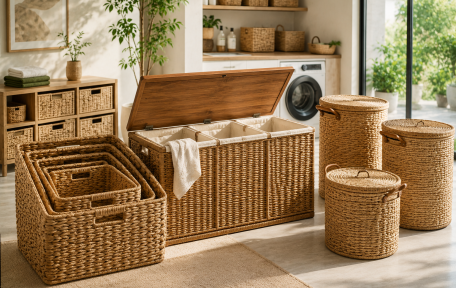
- Material Mastery: Deep expertise in processing diverse sustainable materials—ranging from natural fibers (rattan, seagrass, water hyacinth, bamboo) to eco-friendly structural elements (acacia, pine wood, recycled PP/PE resin, and paper cords).
STEP 1: ALIGNING QUALITY ASSURANCE WITH GLOBAL RETAIL STANDARDS
Implementing Zero-Defect Quality Control Protocols
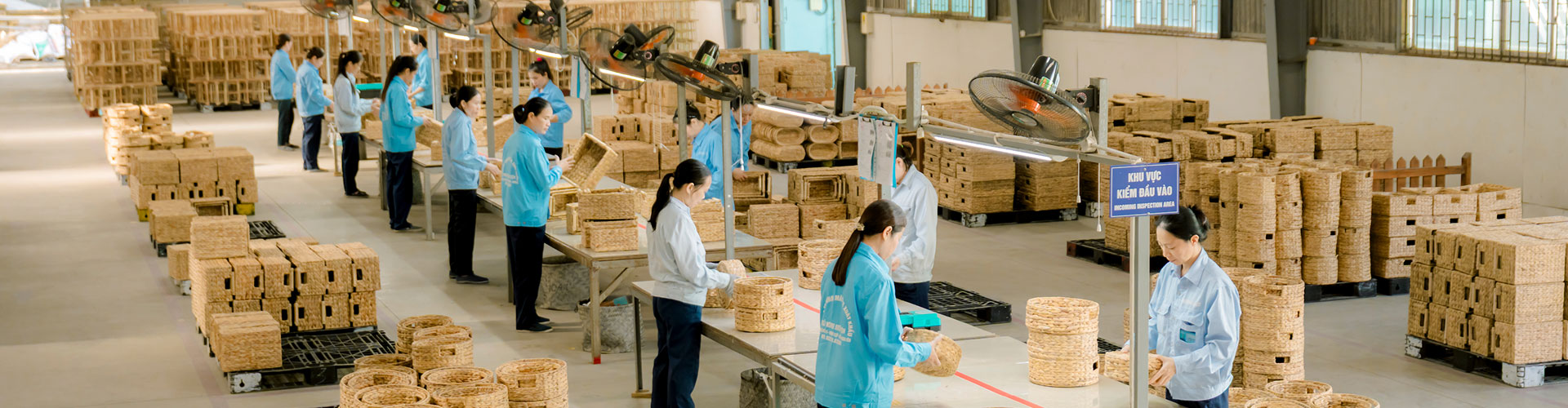
The first step to securing a decadelong partnership is eliminating product variance. Retail giants operate on tight margins and cannot afford high return rates or defective merchandise. To align with their expectations, a manufacturer must implement a multi-stage Quality Control (QC) framework:
1. Pre-Production Inspection (PPI)
Ensure raw materials like natural seagrass or acacia wood are properly dried, treated against moisture, and graded for consistency before weaving or assembly begins.
2. In-Process Quality Control (IPQC)
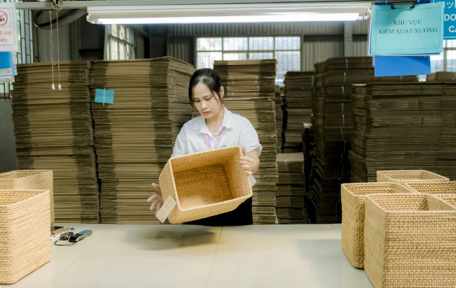
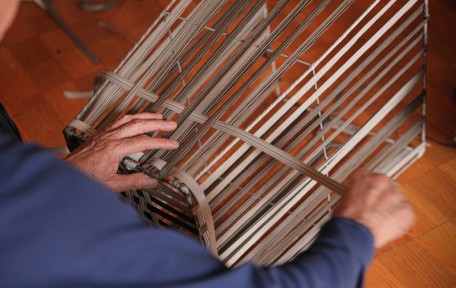
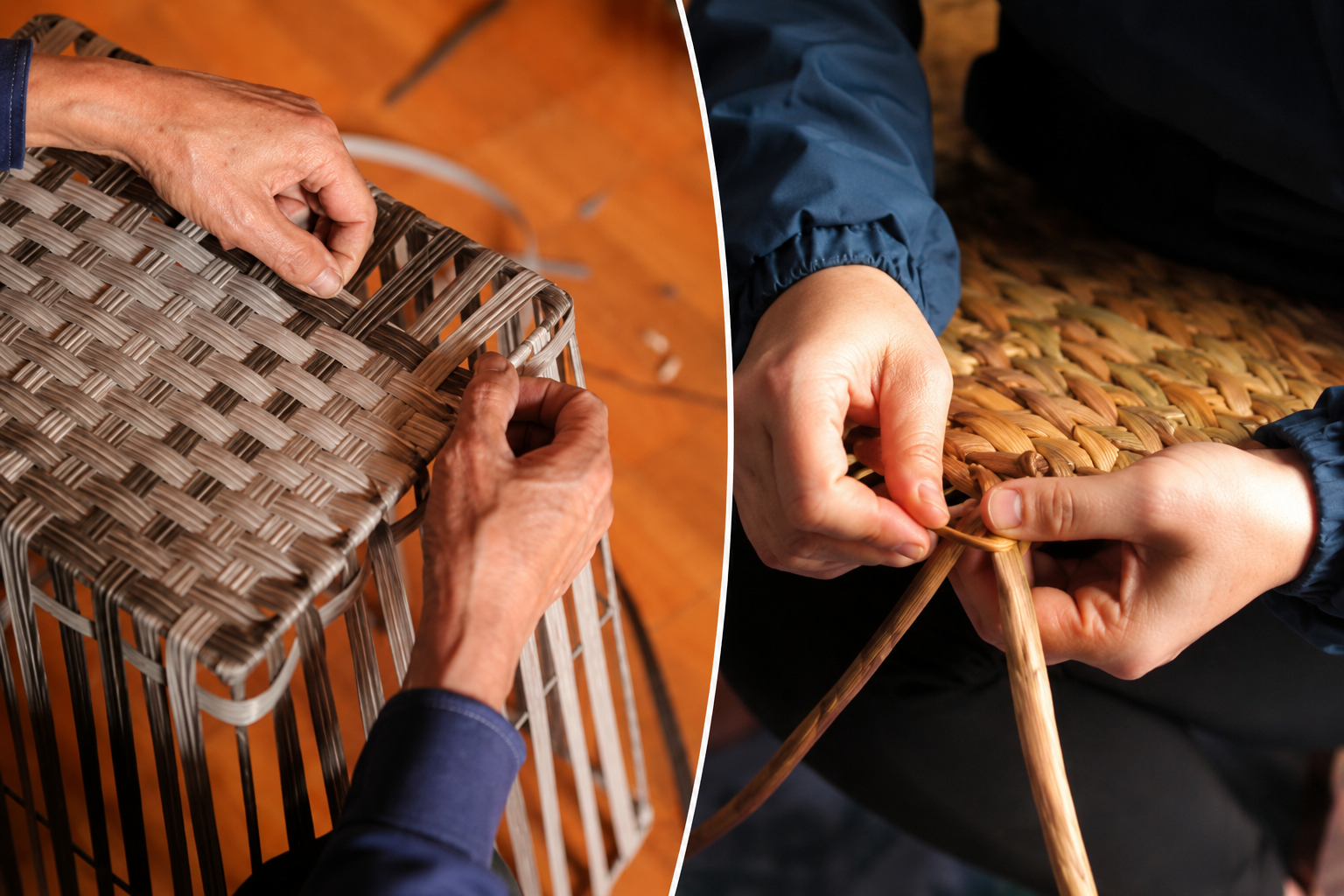
Monitor the handweaving and assembly stages. For complex items like laundry hampers or storage furniture, verify dimensional accuracy and structural integrity during production.
3. Final Random Inspection (FRI)
Conduct strict pre-shipment inspections based on AQL (Acceptable Quality Limit) standards, verifying packaging durability, labeling accuracy, and barcoding compliance to prevent logistics bottlenecks at retail distribution centers.
STEP 2: CO-DEVELOPING SUSTAINABLE AND TREND-FORWARD PRODUCT LINES
Fostering Collaborative Design and Material Innovation
A partnership thrives when the manufacturer acts as an extension of the retailer's design team. Consumer preferences shift rapidly; thus, static product catalogs lead to stagnation. To maintain a ten-year relationship, manufacturers must proactively collaborate on product development:
- Sustainable Material Innovation: Offer innovative material blends, such as combining natural seagrass with durable recycled plastic (PP/PE) cords, or mixing rustic water hyacinth with modern iron frames. This caters to the growing consumer demand for eco-friendly, durable home decor.
- Seasonal Trend Adaptation: Co-develop exclusive collections for spring, autumn, and holiday seasons, translating global interior design trends into functional storage solutions, laundry hampers, and home accessories.
- Prototyping Agility: Provide rapid prototyping capabilities to transform a buyer's sketch into a retail-ready sample within days, significantly reducing time-to-market.
STEP 3: ENSURING SUPPLY CHAIN RESILIENCE AND TRANSPARENT LOGISTICS
Mitigating Risks Through Open Communication and Capacity Planning
The true test of a long-term partnership occurs during global supply chain disruptions. Building resilience requires a transparent, collaborative approach to logistics and capacity management:
First, implement Collaborative Planning, Forecasting, and Replenishment (CPFR). Sharing rolling 12-month forecasts allows manufacturers to secure raw materials during peak harvesting seasons, stabilizing prices and ensuring uninterrupted production. Second, maintain absolute transparency regarding lead times and shipping schedules. Utilizing digital tracking and proactive communication channels ensures that retail category managers are never left in the dark, preserving operational trust even when challenges arise.
CONCLUSION: CULTIVATING SHARED VALUES FOR A SUSTAINABLE FUTURE
Building a B2B partnership that lasts over a decade is not merely about executing transactions; it is about aligning shared values of sustainability, ethical production, and mutual growth. By combining rigorous compliance, unwavering quality control, and collaborative product innovation, manufacturers and global retailers can co-create a resilient supply chain that stands the test of time, delivering beautiful, sustainable home decor to consumers worldwide.
FAQ SECTION:
1- What are the most critical certifications required by global retailers for home decor products?
Global retailers typically require social compliance audits like BSCI and SMETA, security audits like SCAN, and quality management systems certified under ISO 9001:2015. Environmental certifications, such as FSC for wood products, are also highly valued.
2- How do you prevent mold and moisture issues in natural fiber products during sea transit?
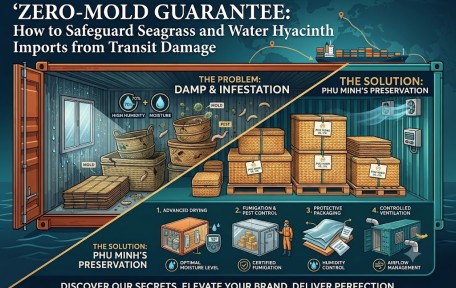
We enforce strict moisture control protocols, ensuring all natural fibers (like seagrass and water hyacinth) are dried to optimal moisture levels (typically under 18%) before weaving, followed by specialized kiln drying, the use of silica gel desiccant packs in packaging, and proper container moisture management.
3- Can natural fiber home decor items be customized for mass-market retail?
Yes. Experienced manufacturers can customize dimensions, weaving patterns, and frame materials (such as integrating metal, wood, or recycled plastic cords) to meet the durability, aesthetic, and price-point requirements of global retailers.
RELAVANT ARTICLES