How Phu Minh Co., Ltd Mastered Japanese Quality Standards to Partner with Retail Giants Like Muji and Nitori
KEY TAKEAWAYS:
- Meeting Japanese standards requires keeping moisture levels in natural fibers strictly below 12-15% to prevent mold during maritime shipping.
- Phu Minh Co., Ltd secures global trust through international compliance certifications including ISO 9001:2015, BSCI, SMETA, and SCAN.
- A zero-tolerance policy for defects reduces product defect rates to under 0.2%, ensuring seamless quality for global B2B buyers.
- Combining premium natural materials with rigorous manufacturing processes allows Phu Minh to deliver retail-ready, eco-friendly home decor.
THE ULTIMATE QUALITY BAR: DECIPHERING THE STRINGENT DEMANDS OF JAPANESE RETAIL GIANTS
The Ultimate Quality Bar: Deciphering the Stringent Demands of Japanese Retail Giants
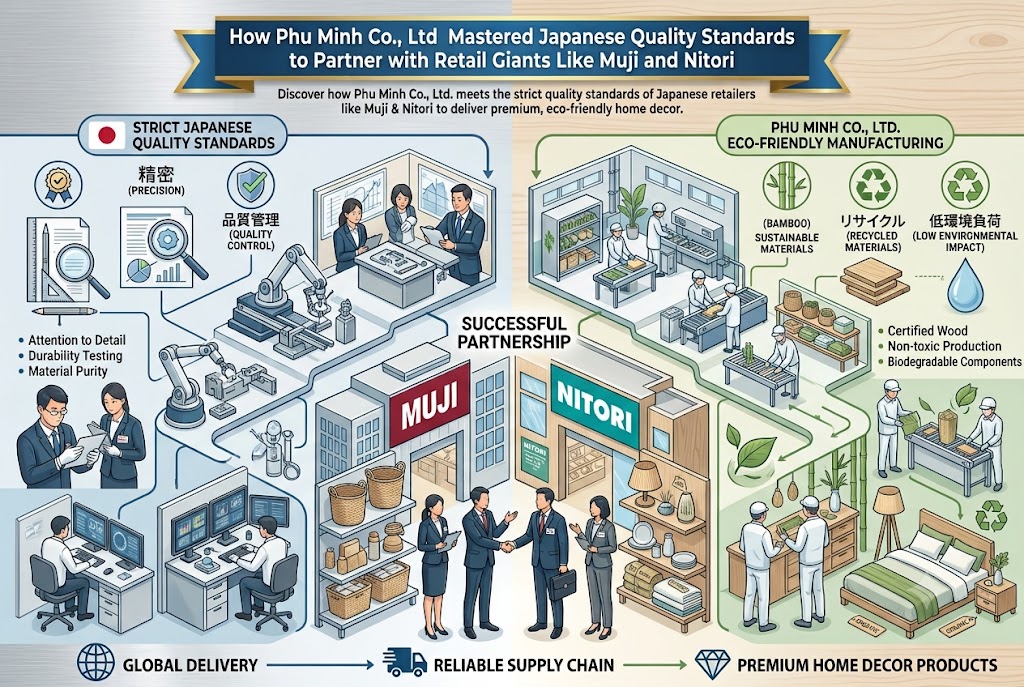
Entering the Japanese retail market, particularly with industry titans like Muji and Nitori, represents the pinnacle of quality assurance in the home decor industry. For many global manufacturers, the barrier to entry is notoriously high. Japanese buyers demand more than just aesthetic appeal; they require absolute perfection in structural integrity, functional design, and ecological safety.
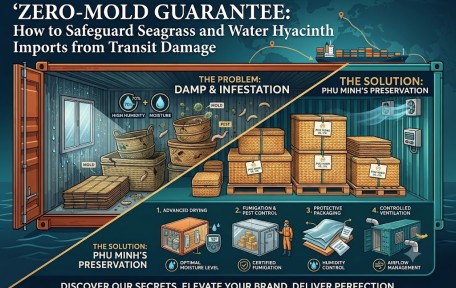
The primary challenge lies in the zero-tolerance policy for defects. Natural materials such as rattan, bamboo, seagrass, and water hyacinth are inherently prone to moisture absorption, mold, and insect infestation. To meet the standards of Muji and Nitori, products must undergo rigorous testing for chemical residues, humidity levels, and weight-bearing capacities. Furthermore, these retailers mandate strict social compliance audits, requiring partners to hold certifications like BSCI, SMETA, and SCAN to ensure ethical labor and secure supply chains.
ENGINEERING EXCELLENCE: HOW PHU MINH BUILT A COMPLIANT, SUSTAINABLE SUPPLY CHAIN
Engineering Excellence: How Phu Minh Built a Compliant, Sustainable Supply Chain
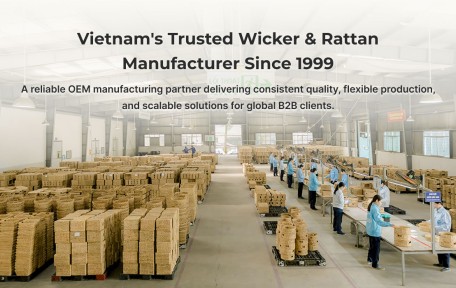
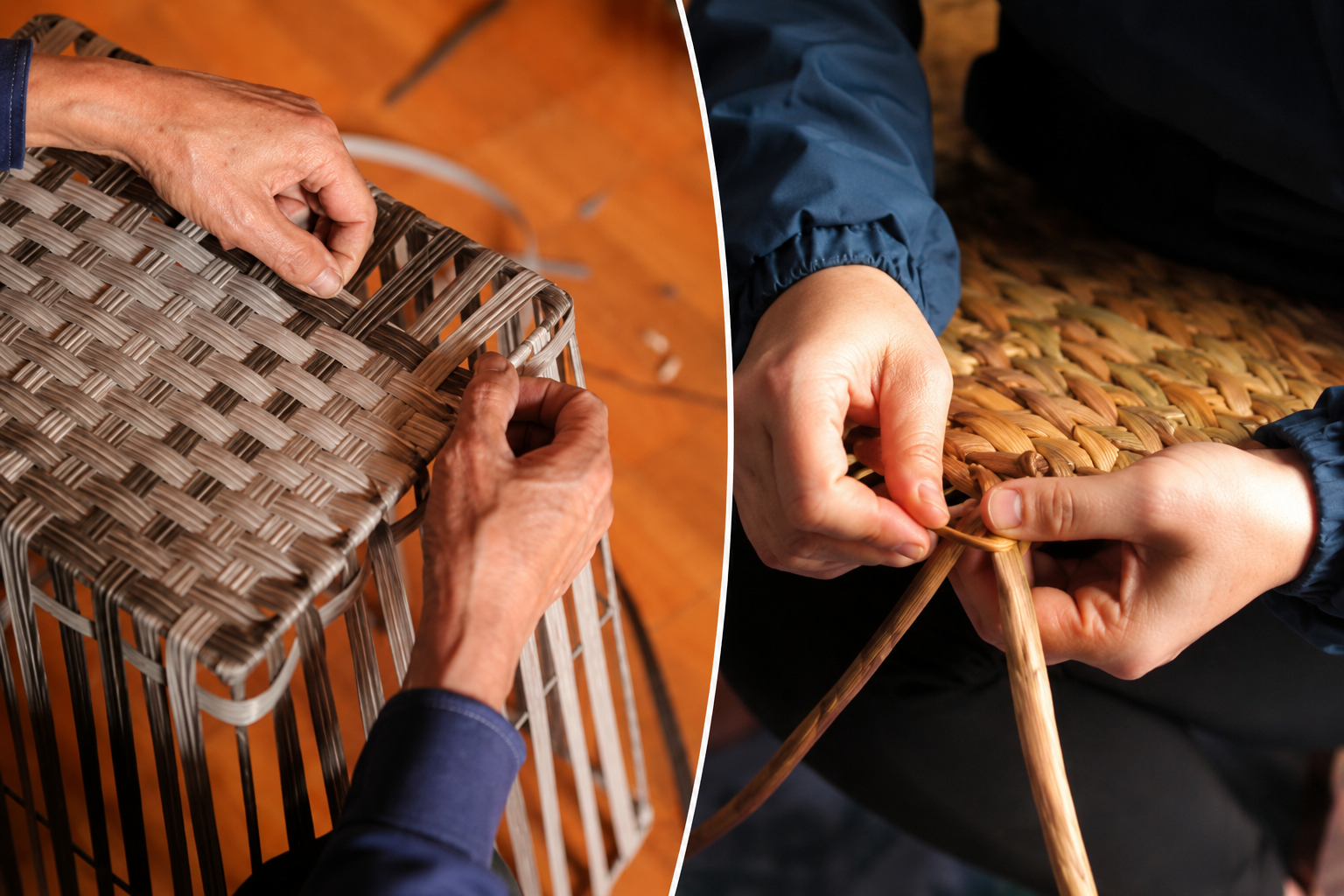
To overcome these stringent barriers, Phu Minh Co., Ltd. overhauled its entire manufacturing and quality control ecosystem. We recognized that to satisfy Japanese retail giants, sustainability and quality must be engineered into every step of the product lifecycle, from raw material sourcing to final packaging.
1. Scientific Moisture and Pest Control
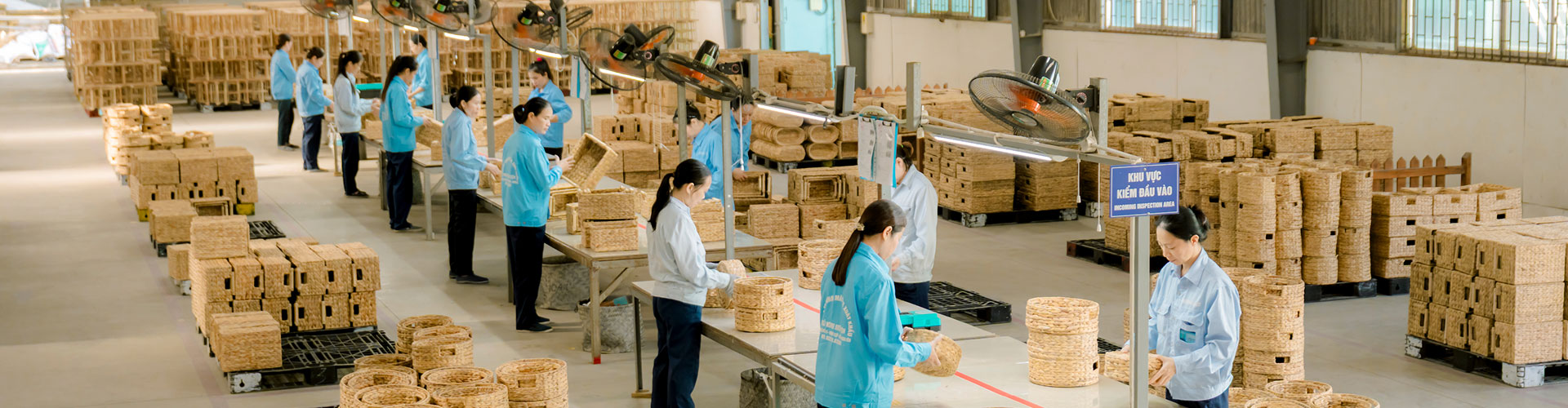
We implemented advanced kiln-drying technologies and strict moisture monitoring protocols. Every batch of rattan, bamboo, and acacia wood is tested to ensure moisture content remains strictly below 12-15%, effectively eliminating the risk of mold or warping during maritime transit.
2. Global Compliance and Auditing
Phu Minh aligned its factories with global standards, securing key certifications including ISO 9001:2015, BSCI, SMETA, and WCA. This guarantees to partners like Muji and Nitori that our production processes respect human rights, workplace safety, and environmental regulations.
3. Rigorous Material Selection
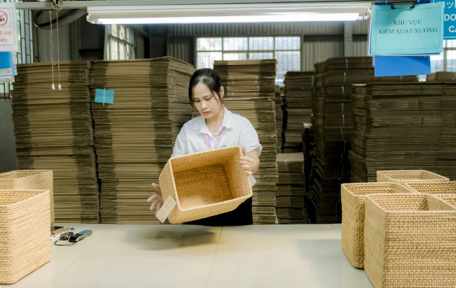
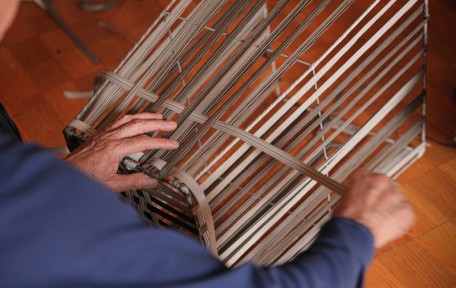
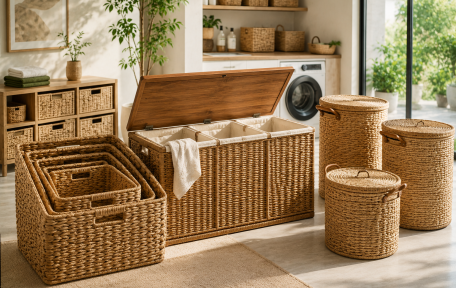
We combine premium natural fibers with high-quality auxiliary materials like PP/PE resin, paper cords, and polyester/cotton ropes to craft durable, eco-friendly storage solutions and laundry hampers that meet precise Japanese design specifications.
FROM COMPLIANCE TO PARTNERSHIP: THE STRATEGIC VALUE UNLEASHED FOR GLOBAL BRANDS
From Compliance to Partnership: The Strategic Value Unleashed for Global Brands
By mastering the rigorous demands of Japanese retailers, Phu Minh Co., Ltd. has established a blueprint for manufacturing excellence that benefits all our global B2B clients, including importers, wholesalers, and interior designers in Europe and North America.
The impact of this transformation is clear: our product defect rate has dropped to under 0.2%, and our on-time delivery rate stands at an industry-leading 98%. Partnering with a manufacturer that meets Muji and Nitori's benchmarks gives global buyers peace of mind, knowing that every laundry hamper, storage basket, and home accessory complies with the world's strictest safety and quality standards. This proven track record accelerates market entry and enhances brand trust for our clients worldwide.
FAQ SECTION:
1- What are the key quality standards required by Japanese retailers like Muji and Nitori?
Japanese retailers require strict adherence to low moisture levels (typically below 12-15% to prevent mold), zero chemical residues, high structural durability, and complete social compliance certified by audits like BSCI, SMETA, and SCAN.
2- How does Phu Minh Co., Ltd. prevent mold in natural fiber products during transit?
We utilize advanced kiln-drying systems, strict moisture-meter testing at multiple production stages, and specialized eco-friendly desiccant packaging to ensure products remain pristine during long ocean voyages.
3- Can Phu Minh customize eco-friendly home decor to match specific brand guidelines?
Yes, we specialize in OEM/ODM services, combining natural fibers (rattan, seagrass, bamboo) with modern materials (PP/PE resin, paper cords) to meet the exact design, size, and compliance specifications of global retail brands.
RELAVANT ARTICLES