Global Trend Report: The Rise of Non-Toxic and Natural-Fiber Storage in Children's Spaces

KEY TAKEAWAYS:
- Natural materials like rattan, seagrass, and water hyacinth are rapidly replacing plastic in children's storage due to zero VOC emissions and inherent non-toxic properties.
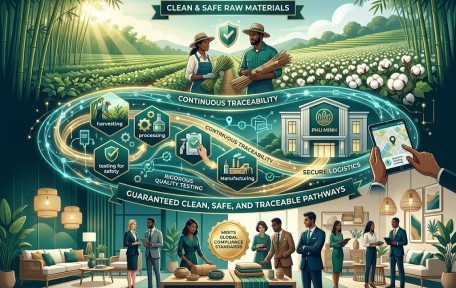
- Global B2B buyers prioritize manufacturers with international compliance certifications such as BSCI, SMETA, and ISO 9001:2015 to guarantee ethical labor and safe chemical treatment.
- Whimsical, animal-shaped woven hampers and soft-textured baskets are leading the current market trends for kids' playroom organization.
- Sourcing splinter-free, naturally treated fibers is critical to ensuring physical safety for toddlers and young children.
EXECUTIVE SUMMARY: REDEFINING KIDS' SPACES WITH NATURAL ELEMENTS
As global awareness of environmental health and indoor air quality peaks, the children's furniture and storage sector is undergoing a profound paradigm shift. Parents and educational institutions are demanding a departure from synthetic plastics, driving a surge in demand for bio-based, non-toxic alternatives. This trend report examines the growing market for children's storage solutions crafted from natural fibers like rattan, seagrass, and water hyacinth. For global B2B buyers, retailers, and interior designers, understanding this shift is essential to capturing the high-margin eco-conscious consumer segment.
THE CURRENT LANDSCAPE: SAFETY CONCERNS AND THE SHIFT AWAY FROM PLASTICS
For decades, cheap plastic bins dominated the children's storage market. However, modern consumers are increasingly wary of the hidden costs of synthetics, including microplastic shedding, volatile organic compounds (VOCs), and endocrine-disrupting chemicals. Today's parents prioritize absolute safety, physical durability, and sensory-rich environments.
In response, international procurement standards have tightened. Global buyers now seek products that comply with rigorous safety and social standards. Manufacturers must demonstrate robust credentials, including BSCI, SMETA, WCA, and ISO 9001:2015, to prove that their natural products are not only safe for end-users but are also produced under ethical, sustainable, and high-quality conditions.
KEY TRENDS SHAPING THE CHILDREN'S NATURAL STORAGE MARKET
1. Whimsical and Playful Organic Shapes
Modern kids' storage is no longer just functional; it is an element of play. We are witnessing a massive trend toward whimsical, animal-shaped hampers (such as elephants, bears, and acorns) woven from rattan and water hyacinth. These designs encourage children to tidy up while adding a warm, organic aesthetic to nurseries and playrooms.
2. Soft-Textured, Splinter-Free Fibers
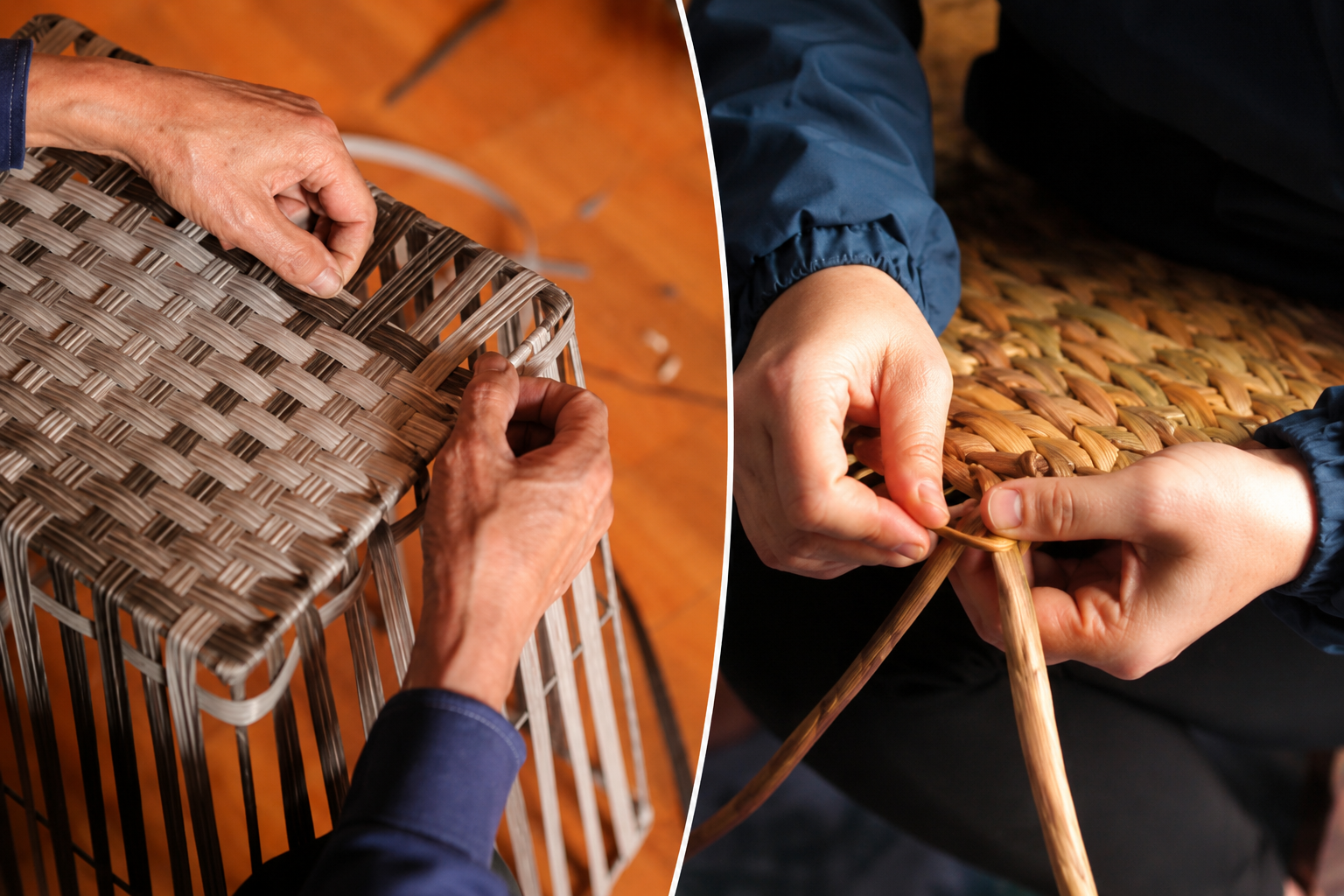
Safety is paramount when designing for children. Seagrass and water hyacinth are highly sought after due to their naturally soft textures. When properly treated and woven, these materials eliminate the risk of splinters. Leading manufacturers utilize eco-friendly, water-based protective coatings to ensure the fibers remain smooth, hygienic, and easy to clean.
3. The Fusion of Playfulness and Japandi Minimalism
Interior designers are increasingly adopting the Japandi (Japanese-Scandinavian) style for children's rooms. This aesthetic relies heavily on neutral tones, clean lines, and natural materials. Woven cotton ropes, paper cords, and light-toned bamboo storage bins fit seamlessly into this minimalist approach, offering a calming environment conducive to child development.
FUTURE OUTLOOK: BIODEGRADABILITY AND CIRCULARITY IN KIDS' FURNITURE
Looking ahead, the demand for circular and biodegradable children's products will intensify. Storage solutions that can grow with the child—transitioning from a nursery diaper caddy to a playroom toy bin, and eventually to a stylish household organizer—will command premium positioning. Furthermore, as global supply chains face stricter environmental audits, sourcing from vertically integrated suppliers who utilize renewable materials like fast-growing acacia wood, bamboo, and seagrass will become a key competitive advantage for global brands.
STRATEGIC RECOMMENDATIONS FOR GLOBAL B2B BUYERS AND DESIGNERS
To capitalize on this booming market, B2B buyers and designers should implement the following sourcing strategies:
- Verify Compliance Certifications: Partner exclusively with manufacturers holding recognized audits like BSCI, SMETA, and SCAN to mitigate supply chain risks and guarantee ethical production.
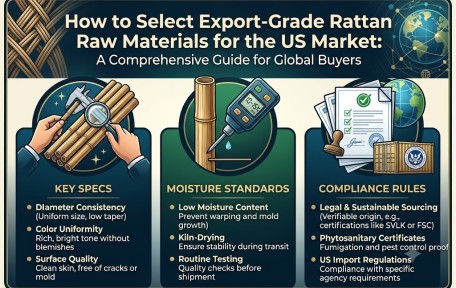
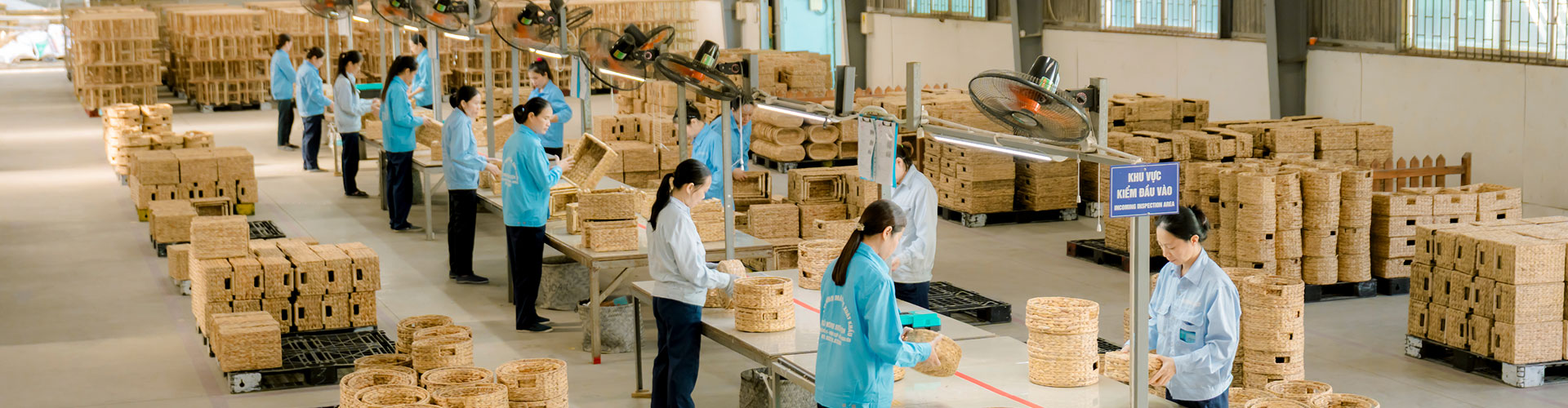
- Prioritize Material Quality: Ensure natural fibers undergo professional kiln-drying and non-toxic anti-mold treatments to withstand diverse global climates.
- Leverage OEM/ODM Capabilities: Collaborate with experienced manufacturers like Phu Minh Co., Ltd to customize designs, dimensions, and material blends (such as combining acacia wood frames with seagrass weaving) to match your brand's unique design language.
FAQ SECTION:
1- Why are natural woven materials better than plastic for kids' storage?
Natural woven materials like seagrass, rattan, and water hyacinth are completely non-toxic, biodegradable, and free from harmful chemicals like BPA, phthalates, and VOCs commonly found in plastics, ensuring healthier indoor air quality for children.
2- How do manufacturers ensure natural storage baskets are safe and splinter-free?
Reputable manufacturers like Phu Minh Co., Ltd apply meticulous weaving techniques, sanding, and safe, water-based non-toxic coatings to ensure all natural fibers are smooth, durable, and completely free of sharp splinters.
3- What compliance certifications should B2B buyers look for when sourcing?
Buyers should look for international social and quality compliance audits such as BSCI, SMETA, WCA, SCAN, and ISO 9001:2015 to guarantee ethical labor, safe manufacturing, and consistent product quality.
4- How do natural fiber baskets handle moisture in children's rooms?
When properly kiln-dried and treated with eco-friendly, anti-mold coatings during the manufacturing process, natural woven baskets offer excellent durability and moisture resistance for everyday residential use.
RELAVANT ARTICLES