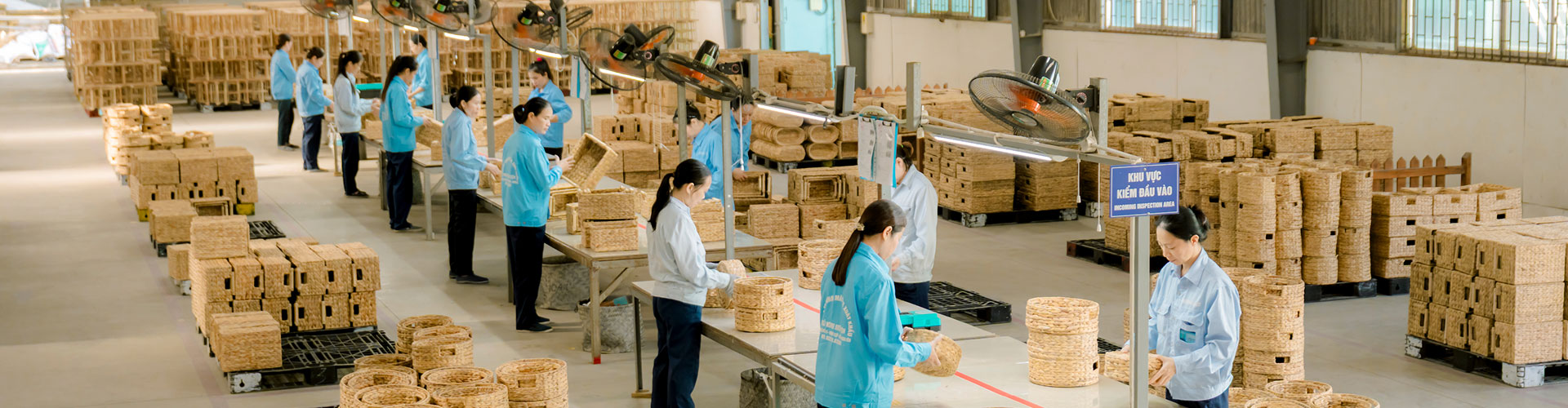
Future Trends in Sustainable Home Decor: The Global Rise of Vietnamese Rattan Craftsmanship
KEY TAKEAWAYS:
- Vietnamese rattan weaving successfully bridges ancestral heritage with modern global B2B quality and compliance standards.
- Global buyers are increasingly prioritizing suppliers with social compliance audits like BSCI, SMETA, and WCA.
- Material fusion—combining natural rattan with acacia wood or metal frames—is a dominant trend driving product durability.
- Rattan serves as an ideal renewable material for circular economy initiatives in commercial and residential interior design.
EXECUTIVE SUMMARY: THE RENAISSANCE OF VIETNAMESE HANDWOVEN RATTAN
Executive Summary: The Renaissance of Vietnamese Handwoven Rattan
As global consumer preferences shift decisively toward eco-conscious living, the international home decor market is experiencing a profound transition. Sustainable materials are no longer a niche choice; they are a market imperative. This report analyzes the growing global demand for traditional Vietnamese rattan weaving, demonstrating how Phu Minh Co., Ltd. bridges the gap between ancestral cultural heritage and the rigorous compliance demands of modern global supply chains.
CURRENT LANDSCAPE: PRESERVING HERITAGE IN A CERTIFIED GLOBAL MARKET
Current Landscape: Preserving Heritage in a Certified Global Market
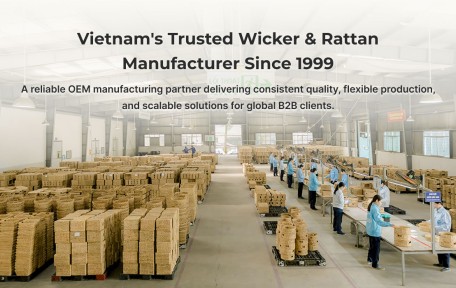
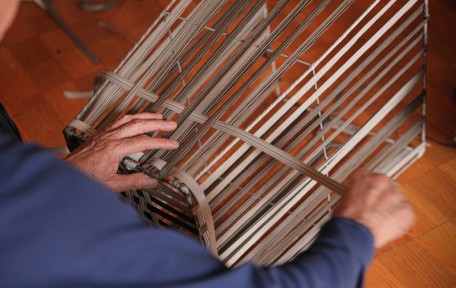
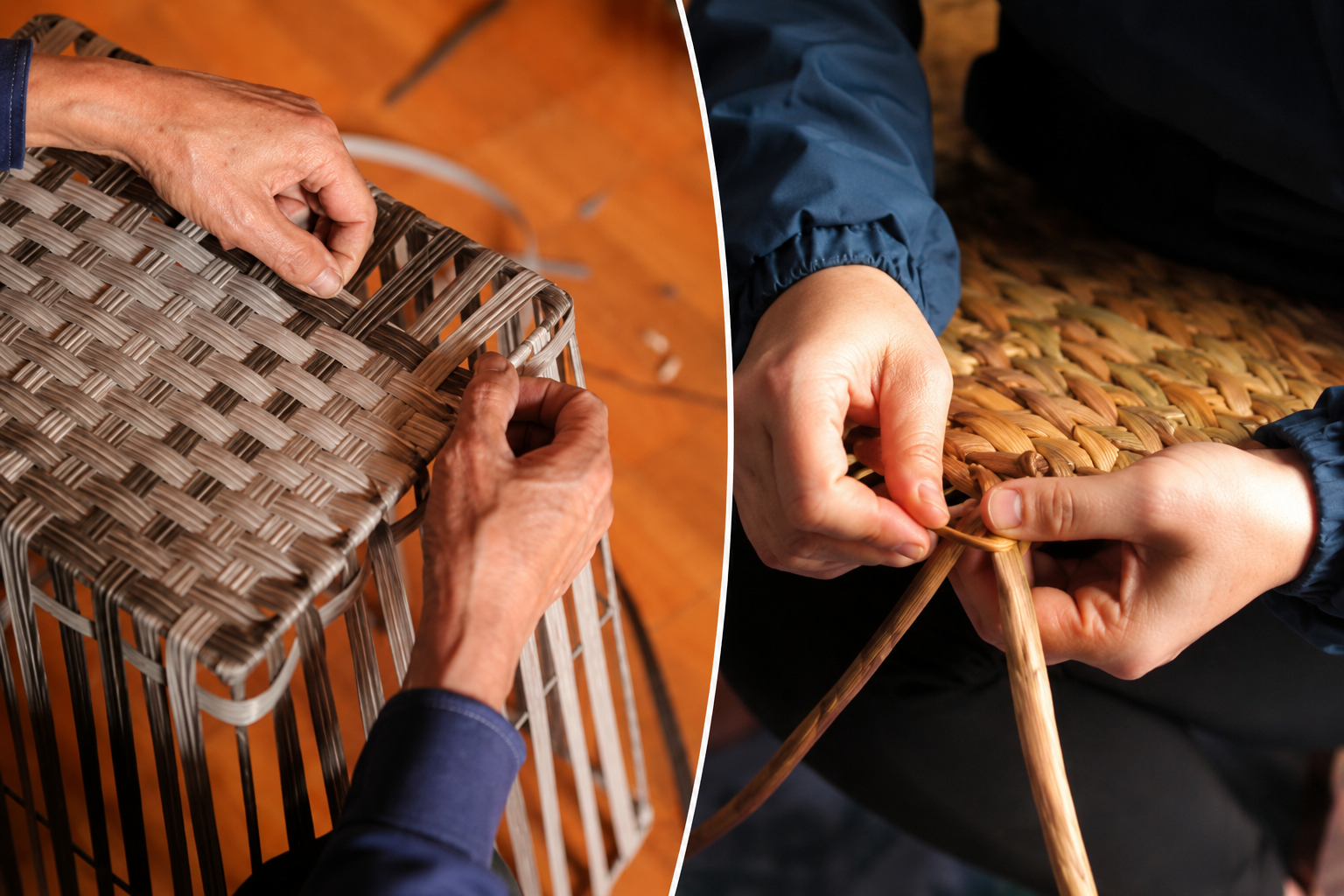
Vietnam's craft villages have nurtured the art of rattan weaving for centuries, passing down intricate techniques through generations. However, today's global buyers—ranging from high-end interior designers to multinational retailers—require more than just beautiful aesthetics. They demand ethical production, supply chain transparency, and structural durability. Today, leading Vietnamese manufacturers are successfully integrating traditional weaving techniques with international standards such as BSCI, SMETA, SCAN, and ISO 9001:2015, transforming heritage crafts into highly reliable, commercial-grade export goods.
KEY TRENDS: WHAT IS DRIVING GLOBAL RATTAN DEMAND?
Key Trends: What is Driving Global Rattan Demand?
Based on our market intelligence, several key trends are shaping the B2B rattan sector:
- Material Fusion: Combining natural rattan with durable substrates like acacia wood, pine, and powder-coated metal frames to enhance structural integrity and modern appeal.
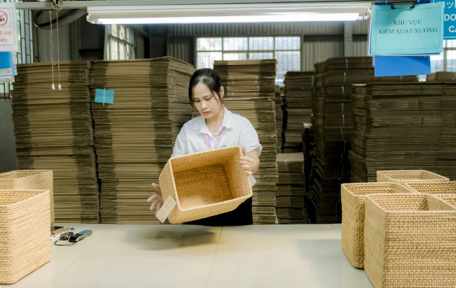
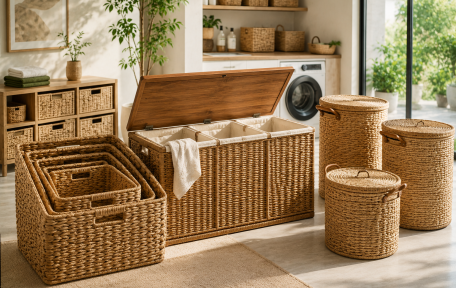
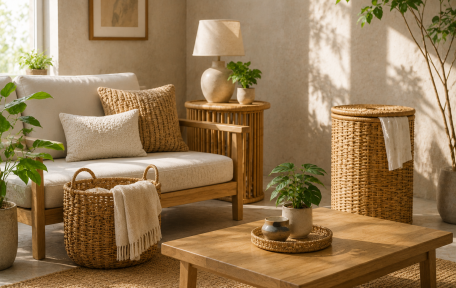
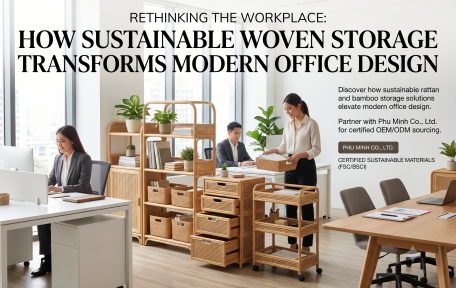
- Biophilic and Minimalist Design: Modern interior designers are specifying handwoven rattan storage solutions, laundry hampers, and accent furniture to bring warm, organic textures into minimalist spaces.
- Strict Social Compliance: Global retailers prioritize suppliers who guarantee fair wages, safe working conditions, and ethical sourcing, verified by third-party audits like WCA and BSCI.
FUTURE OUTLOOK: RATTAN AS A CORNERSTONE OF CIRCULAR ECONOMY
Future Outlook: Rattan as a Cornerstone of Circular Economy
The future of home decor lies in circularity. Rattan, as a fast-growing, renewable non-timber forest product, stands at the forefront of this movement. Over the next decade, we project a heightened focus on closed-loop supply chains. Handwoven rattan products will increasingly replace synthetic plastics in storage and organization categories. Manufacturers who invest in sustainable harvesting and zero-waste production facilities will dominate the global landscape.
STRATEGIC RECOMMENDATIONS: NAVIGATING B2B RATTAN SOURCING
Strategic Recommendations: Navigating B2B Rattan Sourcing
For global buyers and designers looking to capitalize on this sustainable wave, we recommend the following strategic actions:
- Prioritize Certified Manufacturers: Partner with Vietnamese suppliers like Phu Minh Co., Ltd. who hold verified BSCI, SMETA, and ISO 9001:2015 certifications to mitigate compliance risks.
- Leverage Customization Capabilities: Look for partners offering robust OEM/ODM services, capable of translating contemporary design concepts into handwoven realities using diverse materials like rattan, seagrass, and water hyacinth.
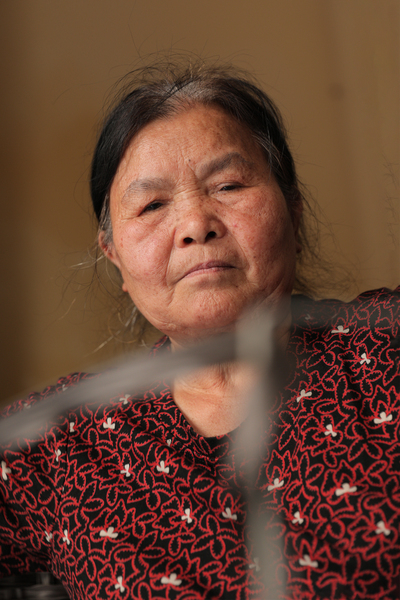
- Emphasize the Heritage Narrative: Incorporate the story of Vietnamese artisans and cultural preservation into your brand marketing to connect deeply with eco-conscious consumers.
FAQ SECTION:
1- What certifications should I look for when sourcing rattan products from Vietnam?
To ensure ethical labor practices, supply chain security, and quality management, global buyers should look for manufacturers certified under BSCI, SMETA, SCAN, WCA, and ISO 9001:2015.
2- How does Phu Minh Co., Ltd. ensure the durability of its handwoven rattan products?
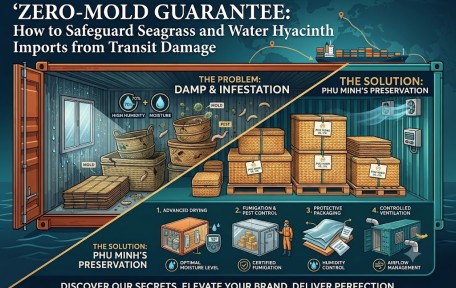
We combine traditional weaving techniques with modern structural reinforcement, such as integrating acacia wood, pine, or metal frames, and apply eco-friendly protective coatings to prevent mold and moisture damage.
3- Can Vietnamese rattan products be customized for specific interior design projects?
Yes, Phu Minh Co., Ltd. offers comprehensive OEM and ODM services, allowing global designers and buyers to customize dimensions, weaving patterns, and material combinations to fit their exact specifications.
4- Is rattan a truly sustainable material?
Absolutely. Rattan is a fast-growing, renewable vine that grows naturally in tropical forests. Harvesting rattan encourages forest preservation because it relies on the existing forest canopy to climb and grow.
RELAVANT ARTICLES