Do not Risk Retail Failures: The Guide of a B2B Buyer to Inspecting Weave Joints and Frames Before Display

KEY TAKEAWAYS:
- Perform torsional stress tests on frames to ensure zero wobble or structural flex before retail display.
- Inspect weave joint anchoring for high-tension binding and zero strand displacement under pressure.
- Verify frame moisture levels (8%-12%) in acacia, pine, or rattan to prevent joint loosening during climate shifts.
- Partner with ISO 9001:2015 and BSCI certified manufacturers to guarantee factory-level structural compliance.
THE HIDDEN RISKS BEHIND UNVERIFIED ARTISANAL FURNITURE
In high-end interior design and competitive retail environments, first impressions dictate commercial success. A single sagging water hyacinth hamper, a creaking acacia frame, or a loose paper cord weave on your showroom floor can instantly erode consumer trust and lead to costly product returns.
For global buyers, retail sourcing managers, and commercial interior designers, verifying structural integrity before public display is not merely quality control—it is brand protection. Unchecked frame deformities or weak weave joints severely compromise product lifespan and ruin visual presentation. Below, we break down how to systematically audit weave joints and frame mechanics to safeguard your inventory.
DECONSTRUCTING QUALITY: KEY CHECKS FOR FRAMES AND WEAVE TENSION
Structural integrity relies on the seamless interaction between internal load-bearing frames and surface handweaving. Here is what purchasing professionals must evaluate during pre-display inspections:
1. Frame Joinery and Structural Mechanics
Whether utilizing kiln-dried acacia, pine wood, powder-coated steel, or solid rattan, inspect primary connection points thoroughly:
- Torsional Stress Test: Gently apply diagonal pressure across the frame. High-grade joinery (mortise-and-tenon or corner-blocked wood, double-welded steel) yields zero frame wobble or flexing.
- Fastener Integrity: Ensure hardware is flush and corrosion-resistant. Wood frames must be free of radial cracks around joinery screws.
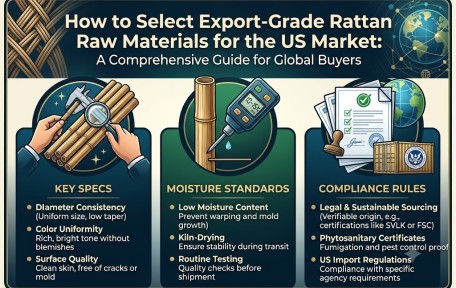
- Moisture Content Verification: Ensure natural wood or rattan frames maintain an 8%–12% moisture level to avoid shrinkage and joint loosening.
2. Weave Joint Anchoring and Binding Tightness
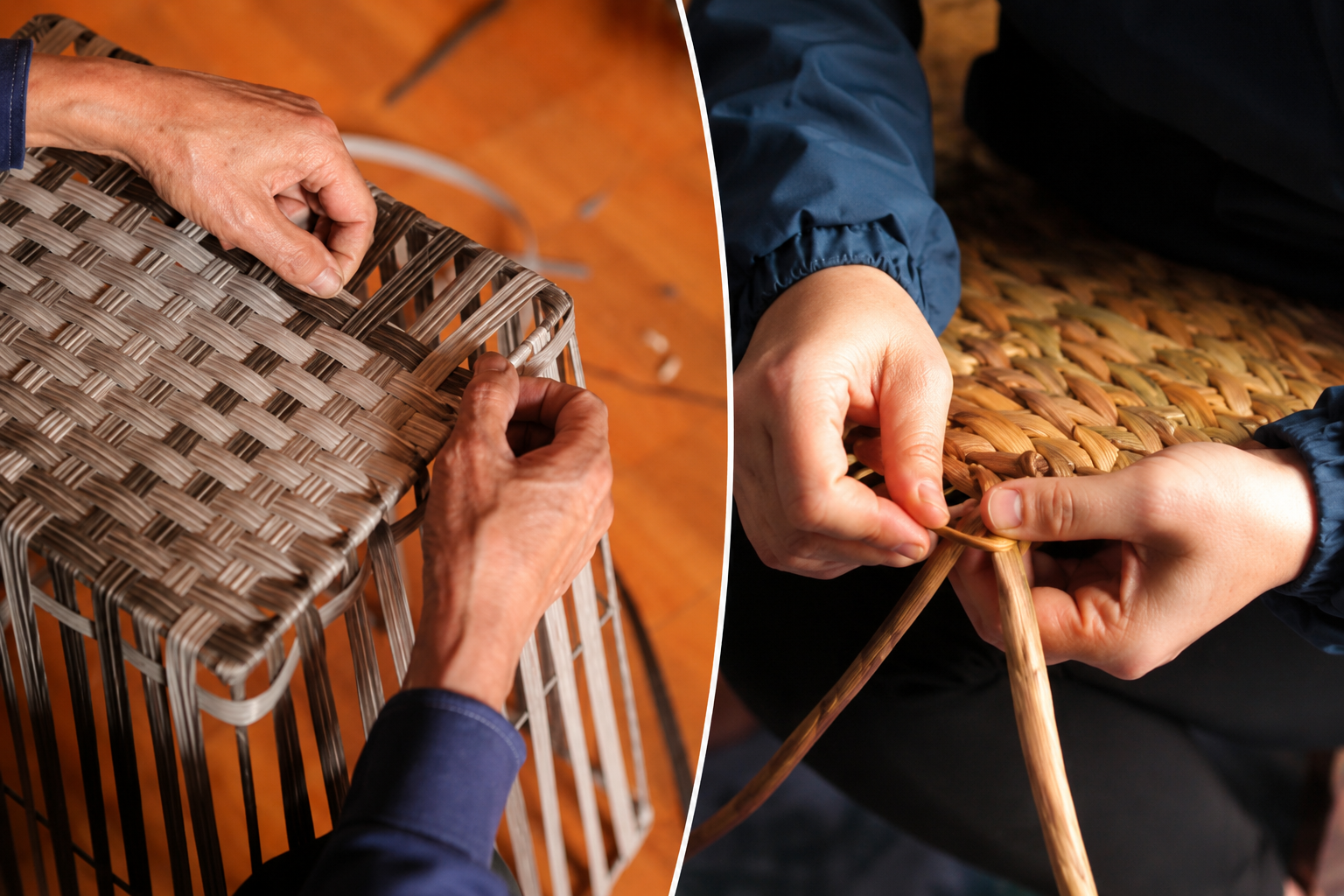
Examine where natural fibers—such as seagrass, water hyacinth, rattan, or synthetic PP/PE resin—anchor to the sub-frame:
- Friction and Displacement Check: Press firmly against the weave grid using direct thumb pressure. High-density weaving exhibits no horizontal or vertical strand slippage.
- Terminal Anchor Inspection: Inspect the underside and internal rim where materials are tied off. Look for double-loop bindings and concealed mechanical staples rather than simple surface adhesives.
- Uniform Tensioning: Inspect edge transitions to ensure paper cord or rope wraps maintain equal pitch and pull, preventing premature sag under load.
ZERO-DEFECT ASSURANCE: HOW SUSTAINABLE CRAFTSMANSHIP MEETS GLOBAL COMPLIANCE
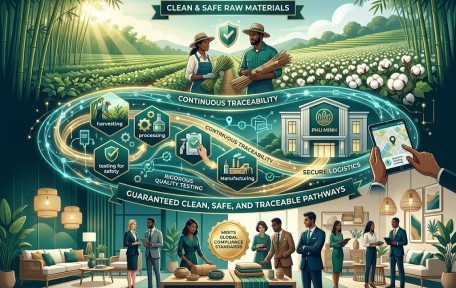
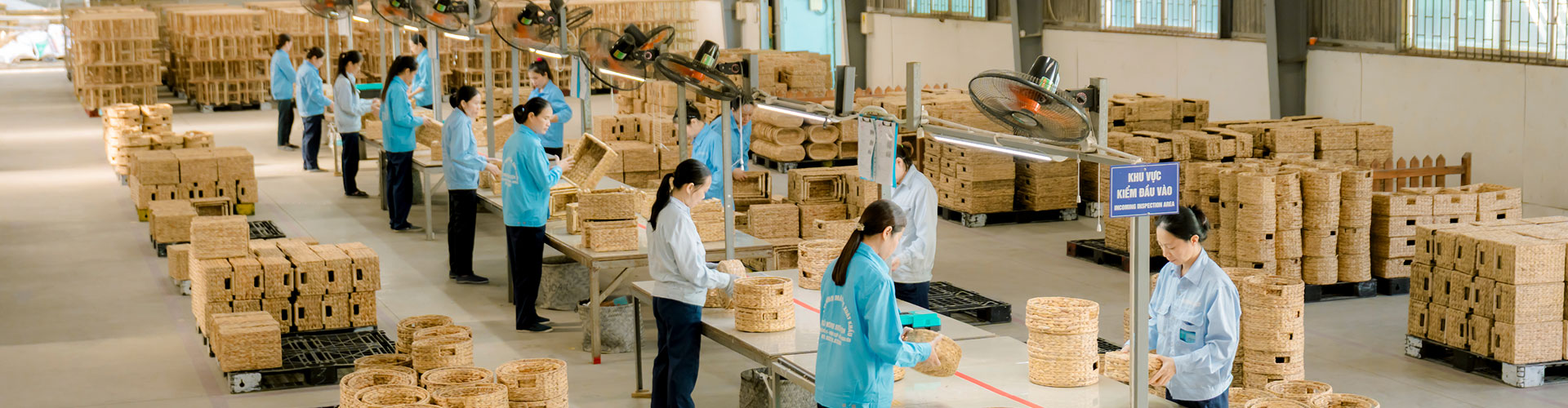
Partnering with experienced exporters who prioritize standardized quality management eliminates display failures before shipments leave the factory floor. At Phu Minh Co., Ltd, traditional Vietnamese artisan techniques are reinforced by world-class manufacturing protocols.
- International Quality Standards: Operations aligned with ISO 9001:2015 quality management systems alongside BSCI, SMETA, SCAN, and WCA social and security compliance.
- Kiln-Drying & Stress Protocol: All raw timber, rattan, and natural fibers undergo controlled kiln-drying and mechanical stress testing to thrive in diverse global climates.
- Artisan Precision: Skilled artisans apply standardized tensioning guidelines across storage hampers, accent tables, and decor accessories for complete batch consistency.
ELEVATE YOUR INVENTORY: REQUEST OUR PRE-SHIPMENT QA CHECKLIST TODAY
Preventing post-shipment defects starts at the source. By enforcing rigorous pre-display inspection protocols and choosing certified manufacturing partners, you guarantee flawless aesthetics and long-lasting durability for your clients.
Ready to upgrade your home decor and storage furniture lines with defect-free, sustainably crafted products? Contact Phu Minh Co., Ltd today to request our comprehensive Quality Assurance Protocol or consult with our OEM/ODM product design team.
FAQ SECTION:
1- How do you test the stability of a natural fiber woven frame?
Apply direct diagonal pressure (torsional stress test) to check for frame wobble, and inspect joint connections for corner blocks, double-welded metal seams, or mortise-and-tenon wood joinery.
2- What is the ideal moisture content for wooden and rattan frames?
Frame materials like acacia, pine, and rattan should be kiln-dried to an 8%–12% moisture content to prevent warping, shrinking, and joint loosening during international transport.
3- How can buyers inspect weave joint tightness without damaging handcrafted items?
Perform a tactile friction test by pressing firmly against the weave grid with thumb pressure; high-quality weaves retain shape with zero strand displacement or frame exposure.
4- What international certifications should B2B woven decor suppliers hold?
Key international certifications include BSCI, SMETA, ISO 9001:2015, SCAN, and WCA, which guarantee ethical labor standards and standardized manufacturing QA.
RELAVANT ARTICLES