Deliver Green, Ship Greener: How to Slash Your Handicraft Carbon Footprint of Supply Chain by Up to 40%
KEY TAKEAWAYS:
- Nesting and flat-packing handcrafted goods can reduce shipping volumes by up to 35%, directly lowering ocean freight carbon emissions per unit.
- Replacing plastic packaging with FSC-certified cardboard and biodegradable paper cords eliminates microplastics and reduces upstream supply chain emissions.
- Sourcing raw materials locally within Vietnam minimizes pre-manufacturing inland transportation carbon footprints.
- Partnering with manufacturers certified in BSCI, SMETA, and ISO 9001:2015 ensures both ethical production standards and structured environmental management.
OUR PROMISE: UNCOMPROMISED QUALITY WITH A DRASTICALLY LOWER CARBON FOOTPRINT
In today's global market, eco-conscious consumers are demanding more than just sustainable products—they demand sustainable supply chains. As a global buyer or interior designer, you face the challenge of sourcing exquisite, natural handicrafts while meeting strict corporate ESG (Environmental, Social, and Governance) targets. We promise you this: you do not have to choose between profitability, exquisite Vietnamese craftsmanship, and planetary health. By optimizing logistics, packaging, and material selection, we can help you slash the shipping emissions of your home decor imports by up to 40% without compromising on delivery timelines or product integrity.
VISUALIZE THE FUTURE: A SEAMLESS, LOW-IMPACT JOURNEY FROM ARTISAN TO SHELF
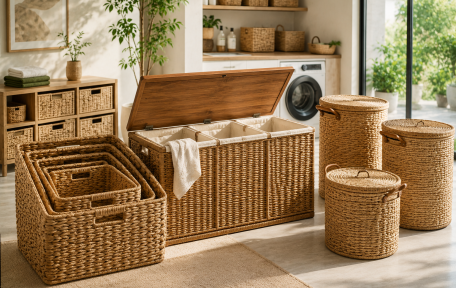
Imagine a supply chain where every natural seagrass laundry hamper, rattan storage basket, and water hyacinth furniture piece tells a story of absolute environmental stewardship. Picture your next container shipment arriving at your distribution center. Instead of bulky, air-filled boxes wrapped in layers of single-use plastics, you open a perfectly consolidated container.
Maximizing Space, Minimizing Waste
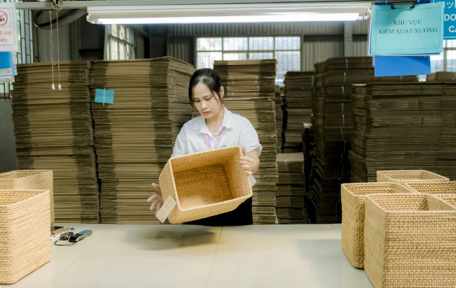
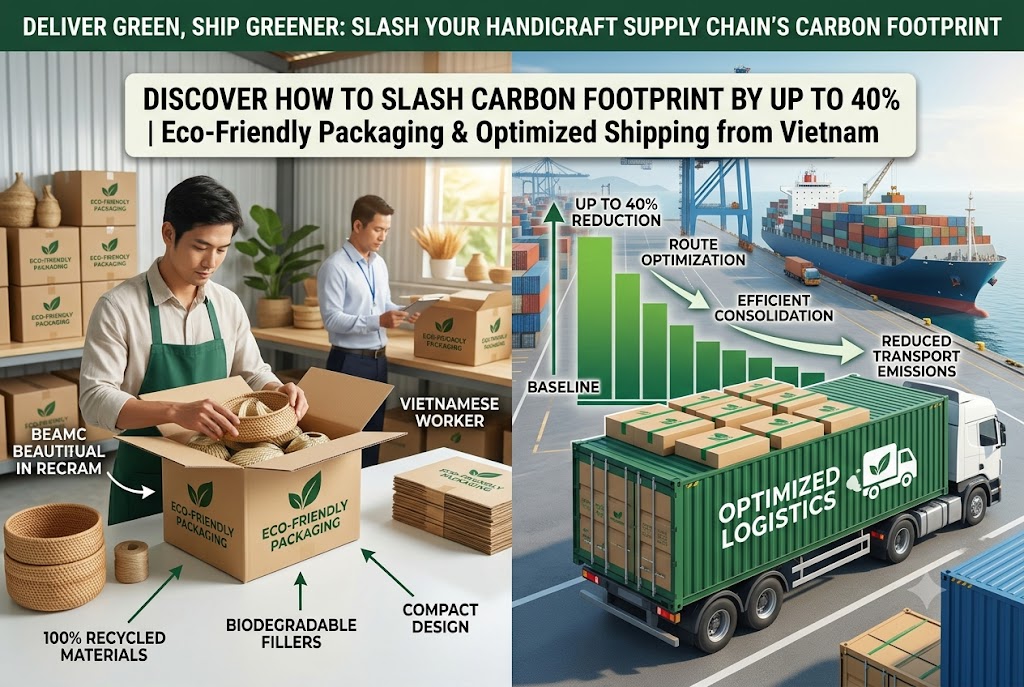
Each item is nested intelligently or flat-packed using recycled cardboard and biodegradable paper cords. The shipping volume is reduced by 35%, meaning you pay less for freight and emit far less carbon per unit. The ocean carriers transporting your goods utilize eco-friendly biofuels or slow-steaming practices, significantly lowering transit emissions. Your brand stands out in the market as a true leader in authentic, low-carbon luxury.
PROVEN STRATEGIES: HOW PHU MINH CO., LTD DECARBONIZES HANDICRAFT LOGISTICS
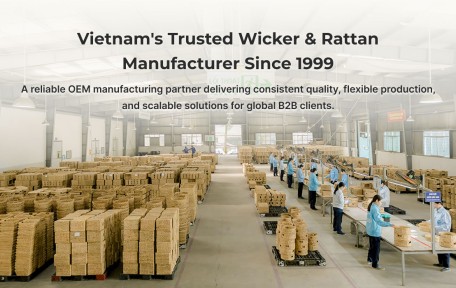
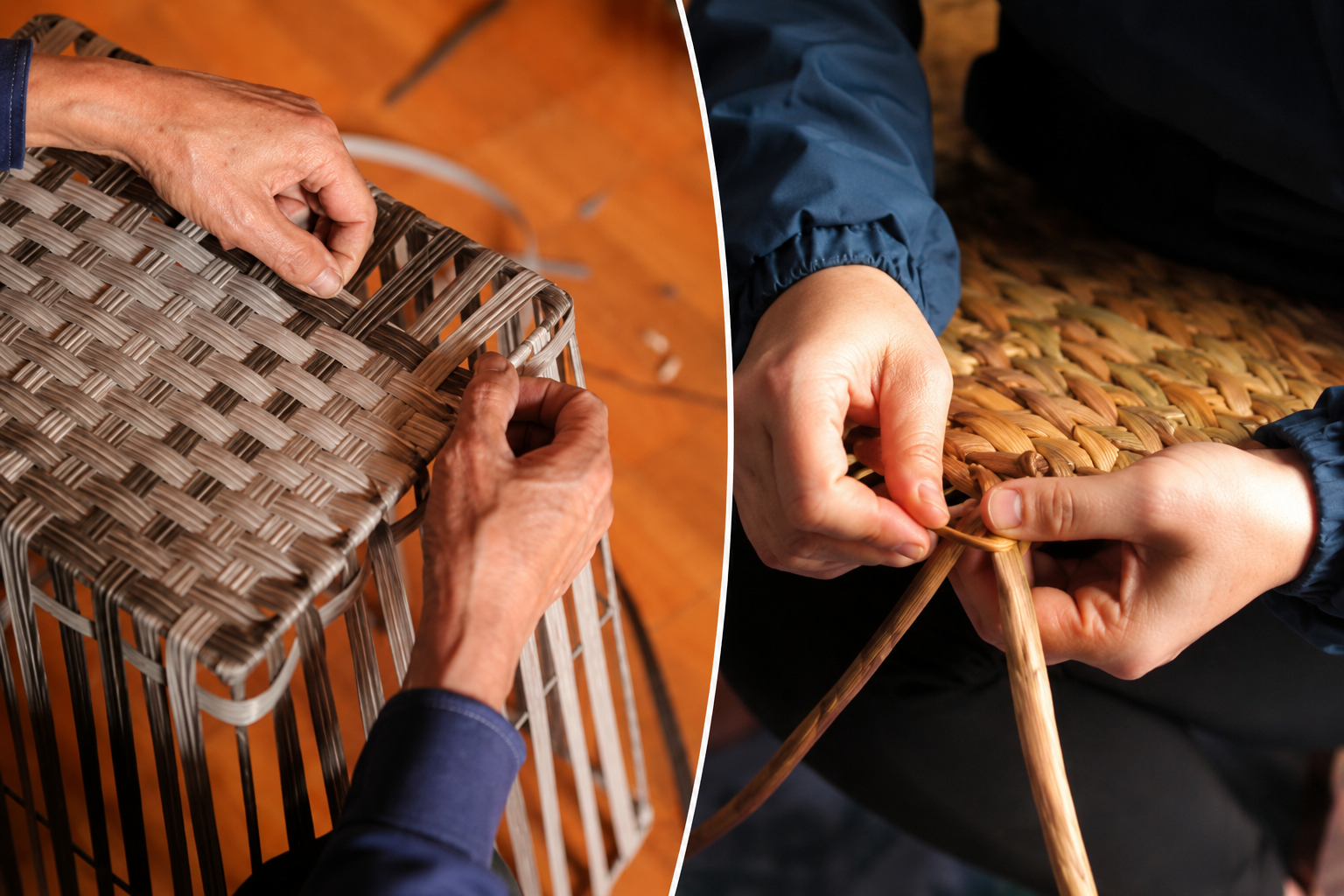
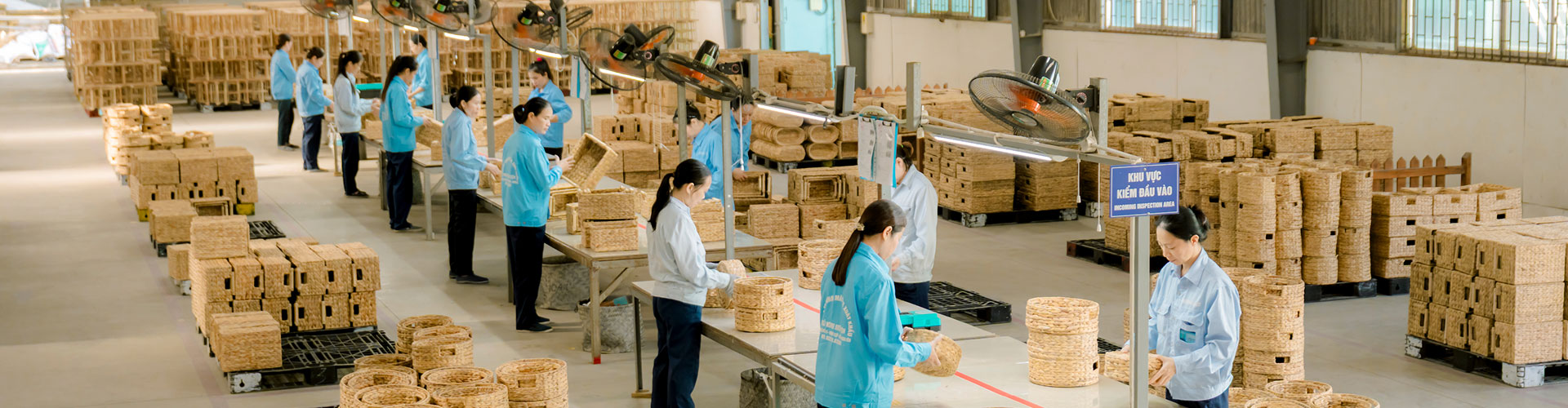
At Phu Minh Co., Ltd, sustainability is not a marketing buzzword; it is an engineered reality. We back our promises with certified compliance and rigorous supply chain auditing, holding prestigious international certifications including BSCI, SMETA, SCAN, WCA, and ISO 9001:2015. Here is the concrete proof of how we reduce carbon footprints in our shipping operations:
- Optimized Product Design & Nesting: By designing woven storage solutions that nest perfectly inside one another, we maximize container utilization. This reduces the total number of containers required for your annual volume by up to 25%.
- Zero-Plastic Eco-Packaging: We have replaced traditional plastic polybags and styrofoam with biodegradable alternatives, such as FSC-certified recycled cardboard, paper cords, and organic cotton ties. This reduces both upstream manufacturing emissions and downstream waste.
- Green Carrier Partnerships: We actively collaborate with leading global freight forwarders that offer carbon-offsetting programs, biofuel-powered vessels, and optimized maritime route planning.
- Local Material Sourcing: Our raw materials (seagrass, water hyacinth, rattan, and acacia wood) are sourced locally in Vietnam, eliminating massive inland transportation emissions before the products even reach our factory.
TAKE THE LEAP: PARTNER WITH PHU MINH TO GREEN YOUR SUPPLY CHAIN TODAY
The transition to a low-carbon economy is happening now, and early adopters are capturing the highest market share of eco-conscious consumers. Do not let inefficient logistics dilute your brand’s sustainability message. Partner with Phu Minh Co., Ltd to co-create a customized, carbon-optimized shipping blueprint for your next collection of sustainable home decor. Contact our B2B consulting team today to request a green logistics audit and secure your allocation of premium, responsibly shipped Vietnamese handicrafts.
FAQ SECTION:
1- How does nesting design reduce the carbon footprint of handicraft shipments?
Nesting involves designing woven baskets and storage items to fit perfectly inside one another. This maximizes container space utilization, reduces the total number of shipping containers needed, and significantly lowers fuel consumption and carbon emissions per product.
2- Can sustainable packaging protect delicate handmade decor during long ocean transits?
Yes, eco-friendly materials like heavy-duty recycled cardboard, molded pulp, and biodegradable paper cords offer excellent shock absorption and structural support, matching or exceeding the protective capabilities of traditional plastics.
3- What certifications should I look for in a sustainable handicraft manufacturer?
Global buyers should look for manufacturers certified under BSCI and SMETA for social compliance, SCAN and WCA for security and workplace conditions, and ISO 9001:2015 for standardized quality management systems.
4- How does local material sourcing in Vietnam contribute to carbon reduction?
Sourcing fast-growing natural fibers like seagrass, water hyacinth, and rattan close to the manufacturing facilities minimizes inland trucking distances, thereby drastically reducing greenhouse gas emissions before international shipping.
RELAVANT ARTICLES