Behind the Weave: How Generational Love in the Villages in Northern Vietnam Shapes Global Sustainable Decor
KEY TAKEAWAYS:
- Northern Vietnamese weaving villages preserve centuries-old techniques using sustainable materials like seagrass, water hyacinth, and rattan.
- Phu Minh Co., Ltd. bridges traditional craftsmanship with global B2B standards through BSCI, SMETA, SCAN, and ISO 9001:2015 certifications.
- Ethical sourcing and generational craftsmanship provide global interior designers and retailers with high-quality, emotionally resonant home decor solutions.
THE WHISPERING GRASSES OF THE RED RIVER DELTA
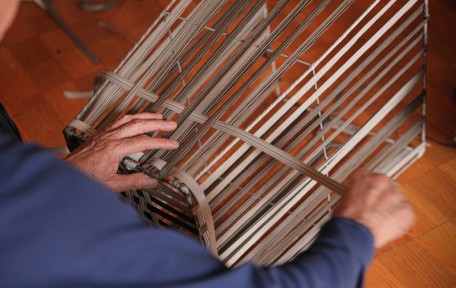
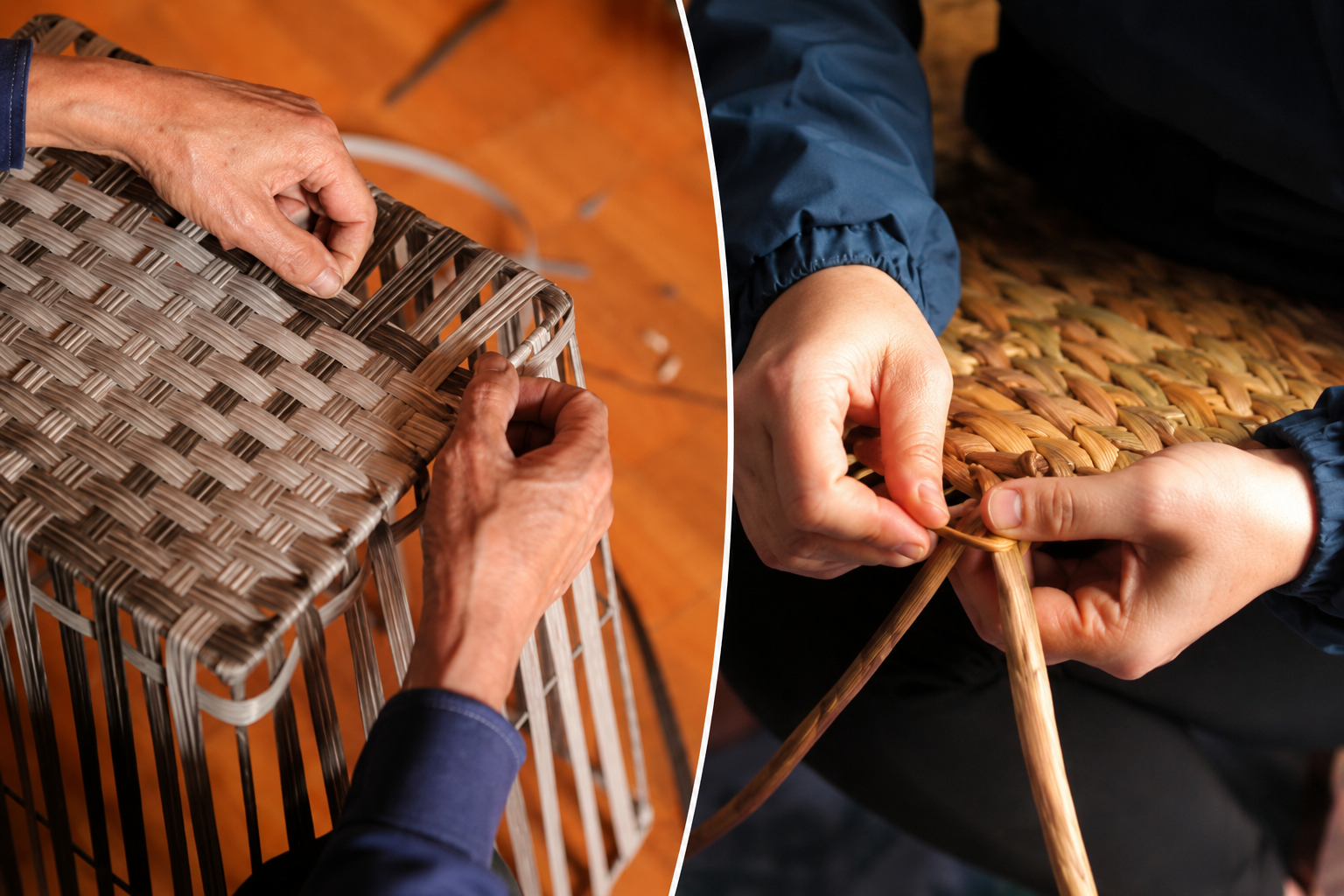
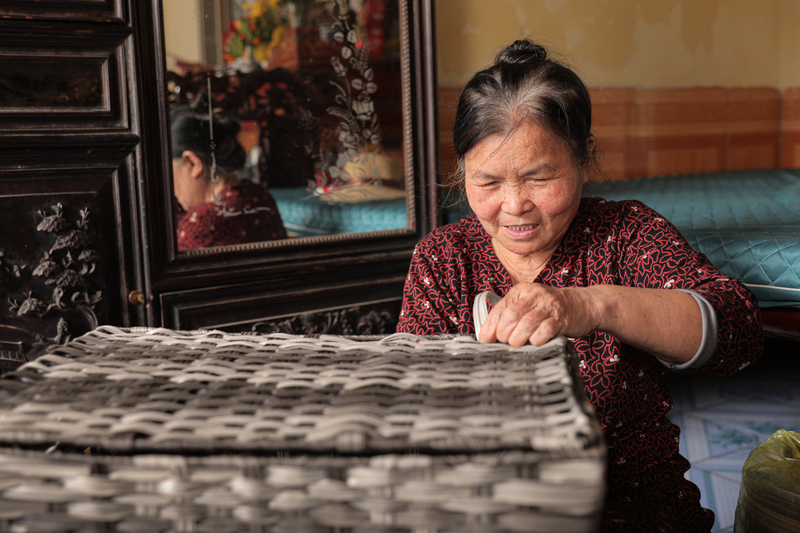
In the quiet, sun-drenched villages of Northern Vietnam, the day does not begin with the harsh clang of industrial machinery. Instead, it starts with a soft, rhythmic rustle—the sound of supple seagrass, wild water hyacinth, and split rattan being sorted, dried, and woven by hand. For centuries, these natural fibers have been the lifeblood of local families, passed down from grandmothers to mothers, and mothers to daughters.
In these communities, weaving is not merely a job; it is a language of love and resilience. Children grow up watching their elders turn humble river weeds into sturdy, beautiful household items. By the time they reach adulthood, their hands possess an intuitive understanding of the materials—knowing exactly how much tension a strand of water hyacinth can take, or how to tightly braid a paper cord to ensure a laundry hamper lasts for decades. This deep-rooted passion is what gives Vietnamese handwoven decor its unique soul, an intangible warmth that machine-made alternatives simply cannot replicate.
THE MODERN CHALLENGE: BALANCING HERITAGE WITH GLOBAL SCALE
The Crossroads of Tradition and International Demand
As the global demand for sustainable home decor and eco-friendly storage solutions skyrocketed, these traditional family workshops faced a critical turning point. Global retailers and interior designers love the story of handmade products, but their supply chains demand absolute consistency, strict delivery timelines, and uncompromising ethical standards.
How does a multi-generational family workshop in a rural village meet the rigorous requirements of international audits? For many artisans, navigating complex global standards like BSCI, SMETA, WCA, and SCAN felt like an impossible hurdle. Without a structured bridge, these rich cultural legacies risked being left behind in the fast-paced world of global B2B trade, forcing younger generations to abandon their ancestral craft for factory jobs in the cities.
THE TURNING POINT: EMPOWERING VILLAGES THROUGH GLOBAL COMPLIANCE
Bridging Ancestral Wisdom with Professional Standards
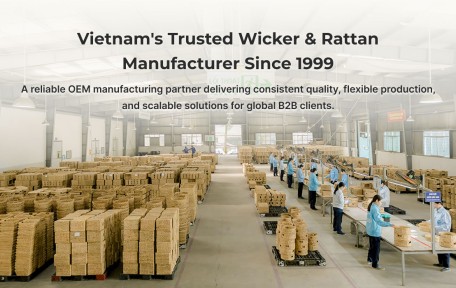
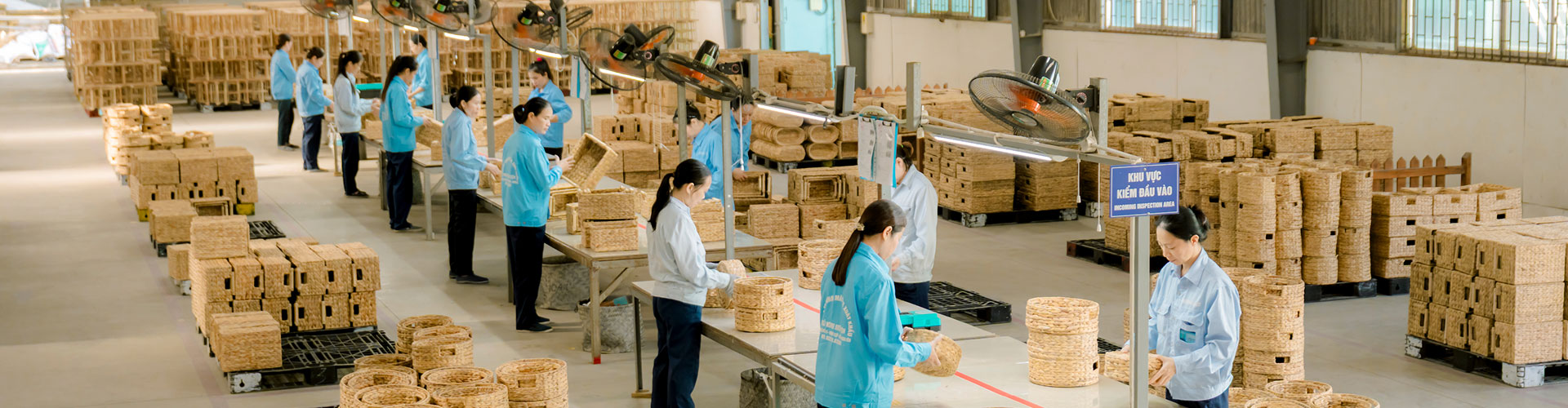
At Phu Minh Co., Ltd., we realized that preserving this beautiful heritage required more than just admiration—it required active empowerment. We stepped in not to replace the traditional family structure, but to elevate it to the global stage. By establishing a robust supply chain management system certified under ISO 9001:2015, we created a harmonious ecosystem where tradition meets modern quality control.
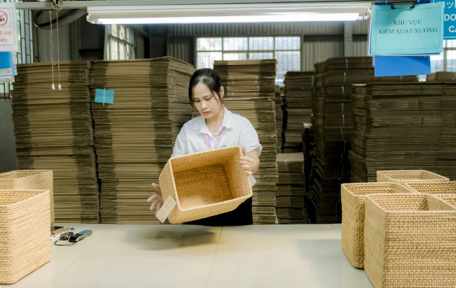
We worked hand-in-hand with village artisans, providing them with safe working environments, fair wages, and training on international quality expectations. By managing the rigorous compliance processes—including BSCI for social responsibility, WCA for workplace conditions, and SCAN for security—Phu Minh took the administrative burden off the weavers. This allowed the families to focus entirely on what they do best: pouring their generational love and skill into crafting exquisite storage baskets, laundry hampers, and home accessories.
THE RESOLUTION: FROM VILLAGE HOMES TO THE WORLD'S FINEST INTERIORS
A Sustainable Legacy for the Global Market
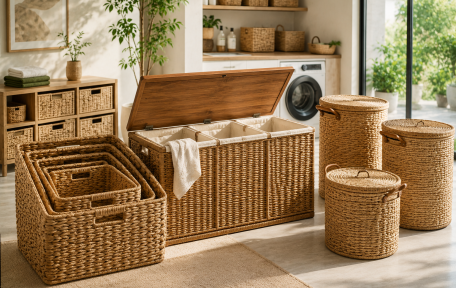
Today, the collaboration between Phu Minh and Northern Vietnam’s weaving families is a testament to sustainable development. When a global buyer imports a container of our seagrass baskets, acacia-accented organizers, or cotton rope storage bins, they are not just buying inventory. They are purchasing a piece of a living legacy, backed by a fully compliant and transparent supply chain.
This synergy ensures that the craft remains viable for the younger generation. Young artisans now see a prosperous, dignified future in their villages, continuing the family trade with pride. For global retailers and interior designers, this partnership offers the ultimate peace of mind: premium, story-rich, and highly durable home decor products that satisfy the ethical and aesthetic demands of modern consumers.
FAQ SECTION:
1- How does Phu Minh ensure consistent quality in handwoven products?
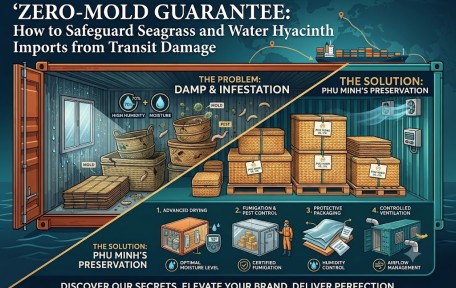
Through our ISO 9001:2015 certified quality management system, we implement strict multi-stage inspections. This includes raw material selection, humidity control to prevent mold, and final product audits, ensuring every handmade piece meets precise global standards.
2- What sustainable materials are used in your home decor collections?
We utilize premium natural fibers native to Vietnam, including seagrass, water hyacinth, rattan, bamboo, acacia, and pine wood, alongside eco-friendly synthetic options like PP/PE resin and paper cords.
3- Are your manufacturing processes socially and environmentally compliant?
Yes, Phu Minh Co., Ltd. is fully compliant with major international standards. We hold certifications and pass audits for BSCI, SMETA, WCA, and SCAN, guaranteeing ethical labor practices and secure supply chains.
4- Can global buyers customize designs for storage baskets and laundry hampers?
Absolutely. We specialize in B2B OEM/ODM services, allowing global retailers and interior designers to customize materials, dimensions, colors, and weaving patterns to match their brand aesthetics.
RELAVANT ARTICLES