A Strategic Guide to Sourcing Minimalist Natural Storage Solutions for the South Korean Market

KEY TAKEAWAYS:
- South Korea's minimalist storage trend is driven by small-space living, high urbanization, and a strong preference for natural, eco-friendly home decor.
- B2B buyers should prioritize versatile, space-saving designs utilizing seagrass, water hyacinth, rattan, and acacia wood in neutral color palettes.
- Ensuring compliance with international standards such as BSCI, SMETA, and ISO 9001:2015 is critical for seamless entry into Korean retail networks.
- Partnering with certified OEM/ODM handcraft exporters guarantees reliable quality control, custom design flexibility, and sustainable supply chains.
INTRODUCTION: NAVIGATING SOUTH KOREA’S MINIMALIST STORAGE MARKET
South Korea’s home decor landscape is experiencing a massive transformation driven by rapid urbanization, compact apartment layouts, and the rising popularity of single-person households. As a result, South Korean consumers favor functional, clutter-free living environments. Minimalist storage solutions crafted from natural fibers have become an essential staple in Korean interiors, blending warm organic aesthetics with space-saving functionality.
PREREQUISITES & KEY SOURCING CRITERIA FOR KOREAN RETAILERS
Before launching a storage collection tailored for South Korea, global sourcing managers and product designers must establish precise criteria. Understanding key materials and regulatory benchmarks ensures products align perfectly with market expectations:
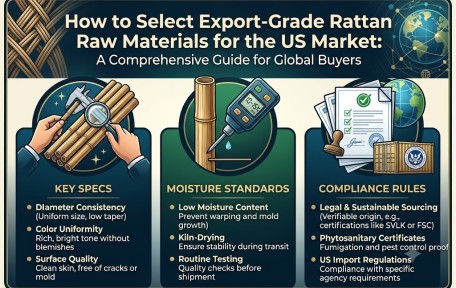
- Sustainable Eco-Materials: Rattan, seagrass, water hyacinth, paper cords, and FSC-certified acacia or pine wood.
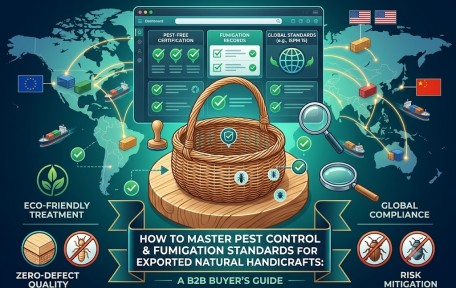
- Factory Audits & Compliance Standards: BSCI, SMETA, WCA, SCAN, and ISO 9001:2015 certifications to guarantee social responsibility and quality assurance.
- Moisture & Climate Control: Strict kiln-drying and low moisture content (<12%) to withstand East Asian seasonal climate shifts.
STEP 1: ANALYZE KOREAN AESTHETIC AND SPACE OPTIMIZATION NEEDS
Korean interior design relies heavily on warm natural tones, soft textures, and modular functionality. To capture consumer interest, buyers should align their product lines with these core market drivers:
- Neutral Color Palettes: Natural beige, soft oat, warm honey, and off-white hues dominate the market.
- Multi-functional Design: Focus on stackable storage baskets, nesting laundry hampers with removable cloth liners, and foldaway seagrass bins.
- Compact Dimensions: Optimize product proportions for high-rise apartment shelving, under-bed storage, and modular closet systems.
STEP 2: SELECT THE IDEAL ECO-FRIENDLY RAW MATERIALS
Natural fibers bring warmth and tactility into minimalist Korean homes. Selecting the right material per product category maximizes both utility and visual appeal:
- Seagrass & Water Hyacinth: Ideal for flexible, hand-woven laundry hampers and soft storage baskets that offer organic warmth.
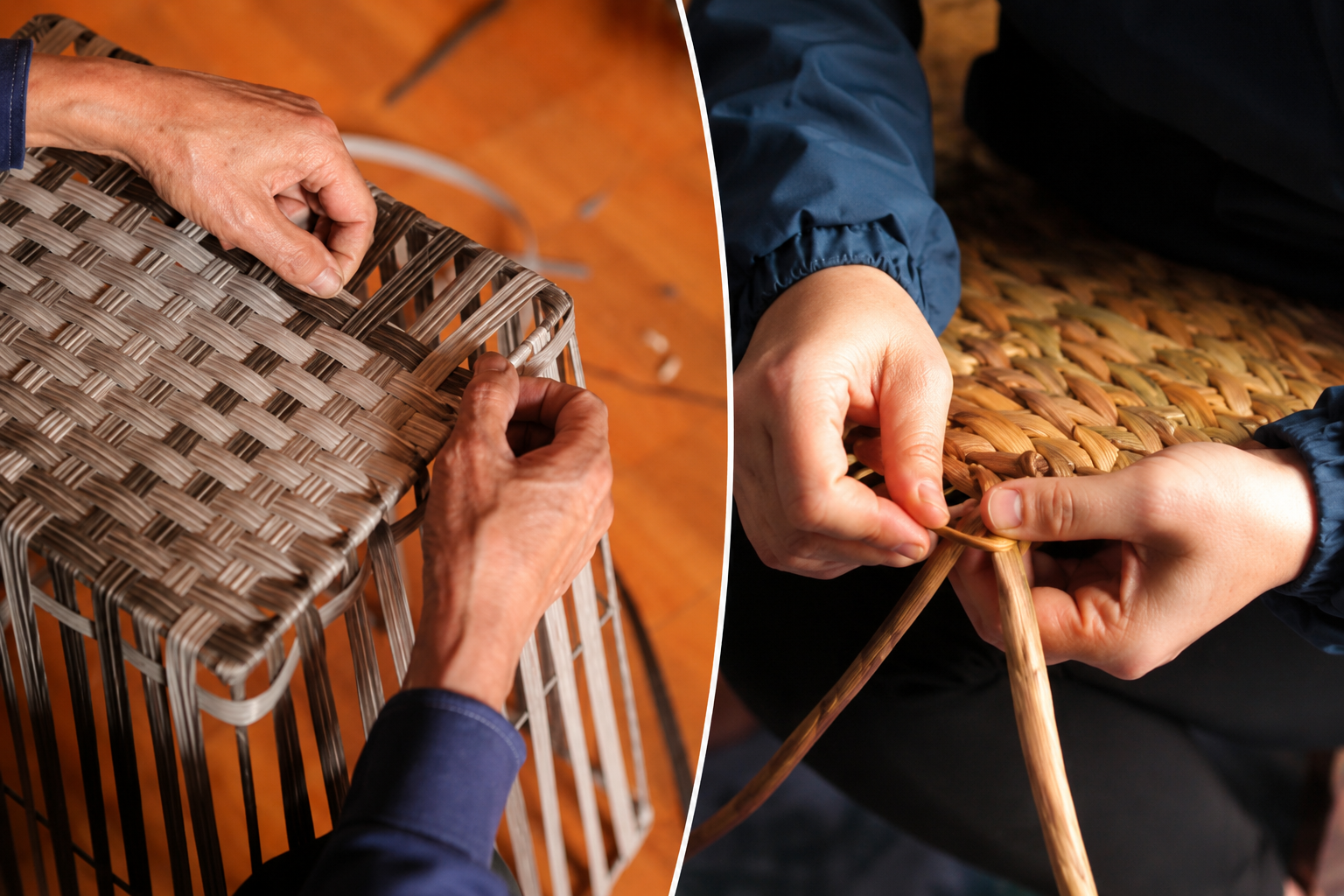
- Rattan & Paper Cords: Perfect for structured storage furniture, decorative drawer organizers, and sturdy shelving bins.
- Acacia & Pine Wood: Excellent for rigid framing, lid accents, and durable storage boxes that resist warping over time.
STEP 3: IMPLEMENT RIGOROUS QUALITY ASSURANCE & EXPORT COMPLIANCE
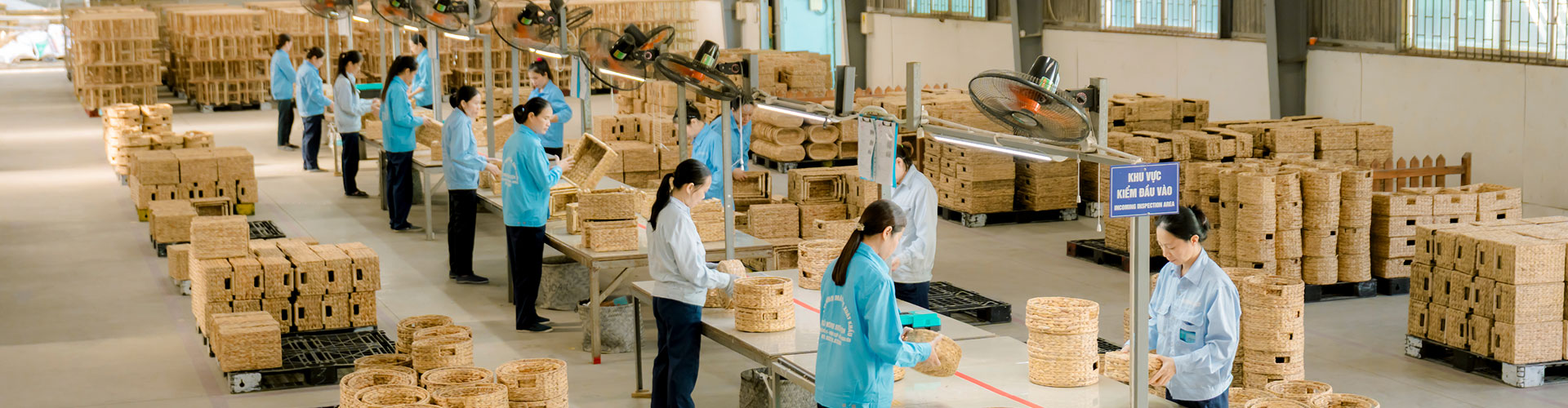
South Korean retail buyers maintain exceptionally high quality standards for imported goods. Supply chain partners must enforce strict quality control protocols throughout every stage of manufacturing:
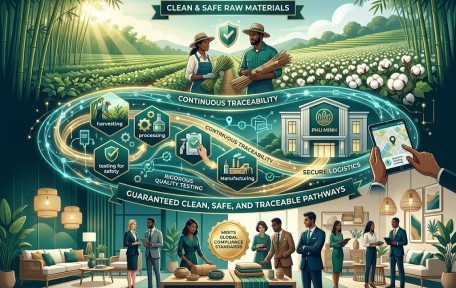
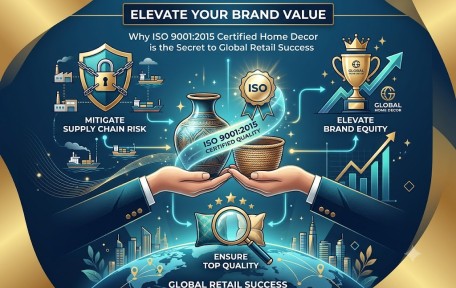
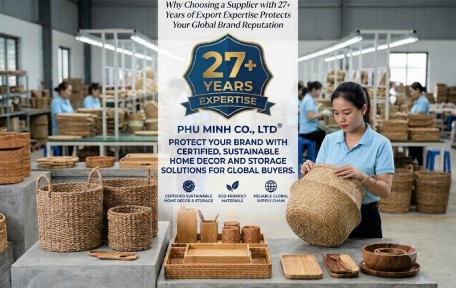
At Phu Minh Co., Ltd, every order undergoes thorough inspection to guarantee exact dimension precision, uniform weave density, and complete protection against mold or odor. Holding ISO 9001:2015, BSCI, and SMETA certifications, we ensure absolute transparency and social responsibility across our production facilities.
STEP 4: PARTNER WITH AN EXPERIENCED OEM/ODM HANDCRAFT EXPORTER
Collaborating with an established manufacturer gives global brands a distinct edge in cost efficiency, design flexibility, and artisan craftsmanship. Phu Minh Co., Ltd provides comprehensive OEM/ODM manufacturing solutions, enabling custom sizing, tailored private-label packaging, and reliable mass production for high-volume orders.
CONCLUSION: SCALING YOUR BUSINESS IN SOUTH KOREA'S GREEN HOME SECTOR
Capturing market share in South Korea’s growing minimalist home decor market requires a strategic mix of space-saving design, natural materials, and certified sustainable manufacturing. By partnering with Phu Minh Co., Ltd, global buyers can confidently deliver high-quality, eco-friendly storage collections that resonate with Korean lifestyle trends while maintaining a resilient supply chain.
FAQ SECTION:
1- Why is minimalist natural storage so popular in South Korea?
South Korea's high concentration of single-person households and compact urban apartments creates strong demand for aesthetic, space-saving, and natural fiber storage solutions.
2- Which natural materials are most preferred for Korean interior storage?
Seagrass, water hyacinth, rattan, paper cord, and FSC-certified acacia wood are widely favored for their eco-friendly appeal, warm neutral tones, and durable performance.
3- How does Phu Minh Co., Ltd ensure product quality and climate resistance for export?
Phu Minh Co., Ltd applies strict quality assurance under ISO 9001:2015, including controlled kiln-drying to maintain moisture below 12%, anti-mold treatment, and BSCI/SMETA certified manufacturing.
RELAVANT ARTICLES