2026 Trend Report: The Rise of Eco-Friendly Storage Furniture in Modern Urban Livings

KEY TAKEAWAYS:
- Modern urban apartment living drives global consumer demand toward space-saving, sustainable storage crafted from natural materials like rattan, water hyacinth, seagrass, and FSC-certified wood.
- Global buyers and interior designers are prioritizing suppliers compliant with international ESG standards, including BSCI, SMETA, SCAN, and ISO 9001:2015 certifications.
- Hybrid design solutions combining natural fiber weaves with acacia/pine wood frames and weather-resistant paper cords dominate contemporary retail collections.
- Vietnam's sustainable handicraft ecosystem offers scalable OEM/ODM capabilities for international home decor brands seeking reliable eco-friendly supply chains.
EXECUTIVE SUMMARY: SUSTAINABLE LIVING REDEFINES URBAN STORAGE
Accelerated urbanization and shrinking apartment floor plans across North America, Europe, and the Asia-Pacific region have transformed the home decor landscape. Modern consumers are moving away from single-use synthetic organizers in favor of eco-friendly storage furniture that combines modular functionality with natural aesthetic appeal. This trend report analyzes the market drivers, material innovations, supply chain standards, and strategic sourcing opportunities shaping the future of sustainable storage solutions.
CURRENT LANDSCAPE: URBANIZATION, ESG MANDATES, AND BIOPHILIC DESIGN
Compact city apartments demand efficient storage furniture—such as woven laundry hampers, stackable storage bins, and multifunctional storage benches—that maximize vertical space while maintaining visual harmony. Three macro drivers define the current market landscape:
- ESG & Trade Compliance: Global retailers face stricter environmental and ethical governance policies. Sourcing partners must meet rigorous international audits such as BSCI, SMETA, SCAN, and ISO 9001:2015.
- Biophilic Interior Trends: Interior designers are actively incorporating organic materials like seagrass, rattan, and water hyacinth to introduce tactile warmth into minimalist urban apartments.
- Plastic Alternatives: Increasing consumer awareness regarding ocean plastics and volatile organic compounds (VOCs) is accelerating the shift toward rapidly renewable plant fibers and FSC-certified acacia and pine wood.
KEY TRENDS SHAPING THE ECO-FRIENDLY STORAGE MARKET
Data across international trade fairs and retail catalogs highlight three distinct product design trends gaining momentum in the home decor sector:
1. Frame & Weave Hybrid Construction
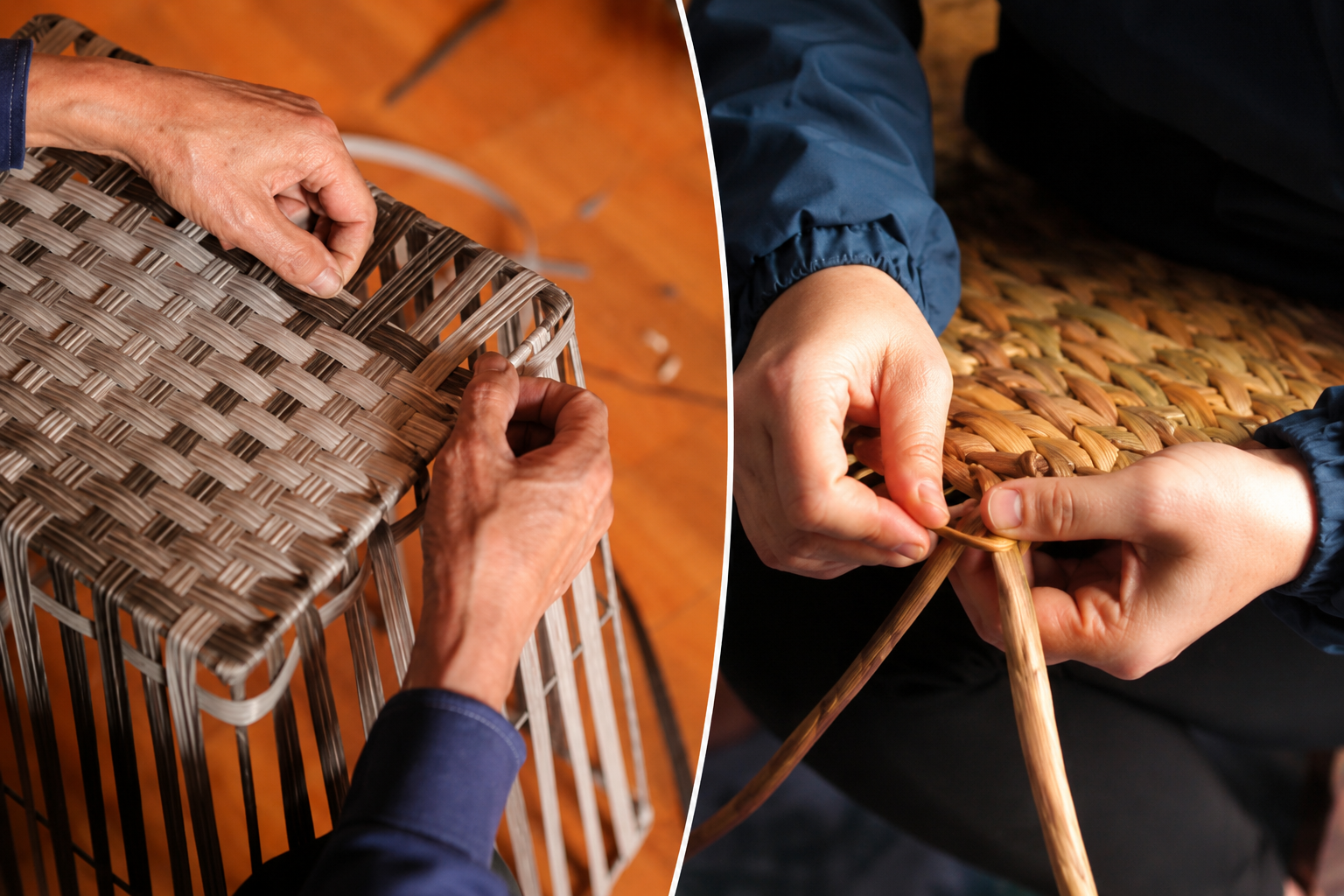
Storage pieces featuring solid acacia or pine wood frames wrapped in hand-woven paper cords, rattan, or water hyacinth deliver structural integrity alongside artisanal texture. These hybrid designs serve dual roles as functional furniture and decorative accents.
2. Modular and Multi-Functional Storage Baskets
Nestable storage hampers, foldaway woven baskets, and multi-tier shelf units equipped with removable polyester/cotton liners allow urban apartment dwellers to reconfigure living spaces effortlessly.
3. All-Weather Synthetic & Natural Blends
To address humidity challenges in modern bathrooms and laundry rooms, manufacturers are pairing natural wood bases with durable, high-density PP/PE resin weaves and treated paper cords, creating long-lasting, moisture-resistant storage solutions.
FUTURE OUTLOOK: SOURCING SHIFTS AND VIETNAMESE CRAFT EXPERTISE
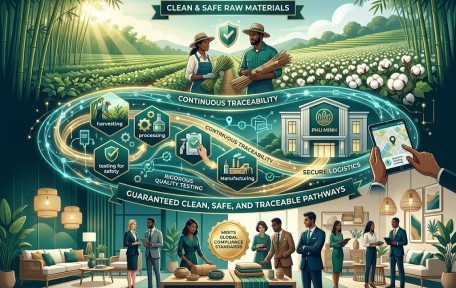
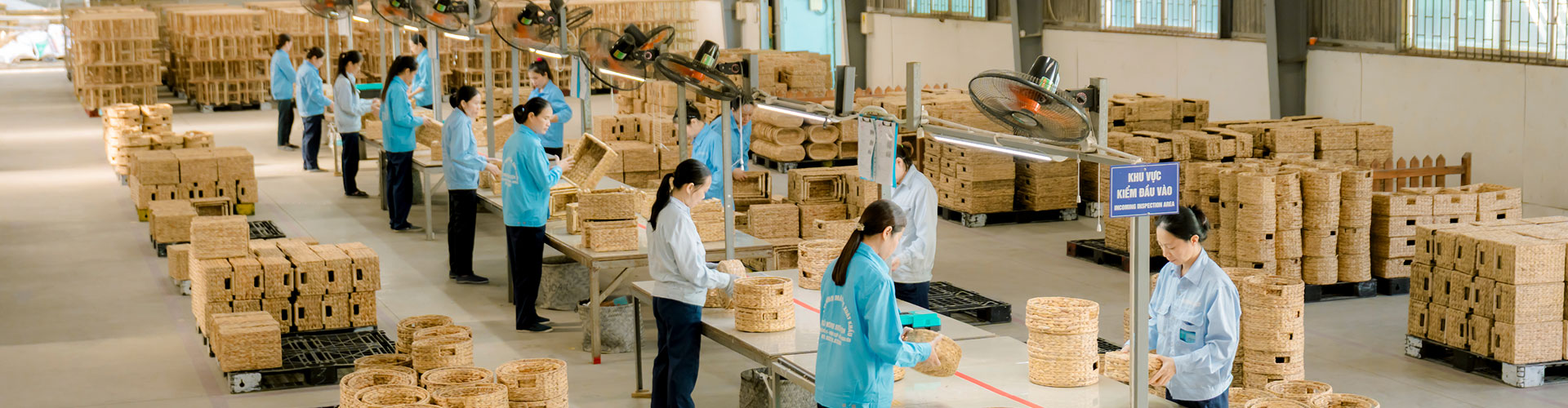
Over the next three to five years, global home decor buyers will increasingly transition sourcing strategies toward specialized eco-handicraft manufacturing hubs. Vietnam stands at the forefront of this shift, offering centuries of weaving heritage combined with modern industrial infrastructure. Suppliers capable of offering scalable OEM/ODM production, zero-waste material processing, and full supply chain traceability will capture dominant market share in the sustainable home organization segment.
STRATEGIC RECOMMENDATIONS FOR GLOBAL BUYERS AND INTERIOR DESIGNERS
To capitalize on the growing consumer demand for sustainable urban storage, commercial procurement teams and trade professionals should adopt the following action plan:
- Audit Sourcing Partners: Require comprehensive compliance certifications (ISO 9001:2015, BSCI, SMETA, WCA) to mitigate supply chain risks and ensure ethical manufacturing.
- Diversify Material Portfolios: Curate product lines featuring a balance of water hyacinth, seagrass, rattan, paper cord, and acacia wood to cater to diverse interior styles.
- Leverage Direct OEM/ODM Collaboration: Partner directly with experienced Vietnam manufacturers like Phu Minh Co., Ltd. to develop exclusive, space-saving storage designs tailored specifically to urban apartment markets.
FAQ SECTION:
1- Why are natural fiber storage solutions trending in modern apartment design?
Natural fiber storage furniture made from rattan, seagrass, and water hyacinth provides eco-friendly, biodegradable alternatives to plastic, bringing biophilic warmth and space-saving organization to modern urban apartments.
2- What international compliance standards should buyers require for eco-storage furniture?
Global buyers should prioritize manufacturers certified in BSCI, SMETA, SCAN, WCA, and ISO 9001:2015 to guarantee ethical labor standards, structural safety, and consistent product quality.
3- How do natural material storage products perform in high-humidity indoor environments?
By pairing treated FSC-certified acacia frames with protective eco-coatings or hybrid paper cord/PE resin weaves, natural storage furniture maintains high durability in modern bathrooms and laundry areas.
RELAVANT ARTICLES