
The Rise of Handcrafted Rattan Trays in Global Hospitality: 2025–2026 Trend Report
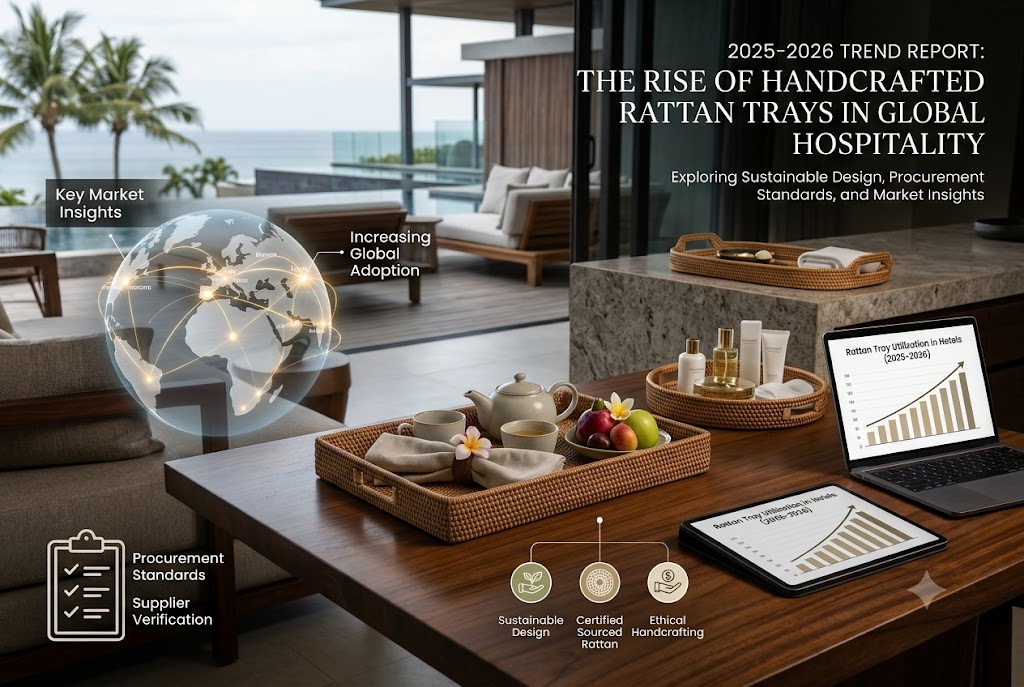
KEY TAKEAWAYS:
- Global hotel and restaurant chains are increasingly replacing plastic and synthetic accessories with handcrafted rattan trays to align with ESG mandates and luxury aesthetics.
- Artisanal rattan trays deliver high durability, thermal efficiency, and organic texture for in-room dining, spa amenities, and buffet presentations.
- Compliance certifications like BSCI, SMETA, SCAN, and ISO 9001:2015 are now essential procurement benchmarks for global hospitality buyers.
- Design trends highlight hybrid material integrations, combining natural rattan with acacia wood, brass accents, or water-resistant eco-coatings.
EXECUTIVE SUMMARY: THE ELEVATION OF ARTISANAL HOSPITALITY
The global hospitality sector is undergoing a profound transformation driven by eco-conscious luxury and experiential design. As international hotel brands and upscale restaurant groups strive to eliminate single-use plastics and sterile synthetic materials, handcrafted rattan woven trays have emerged as a cornerstone of modern interior styling and guest amenities.
This trend report examines the shift toward natural fiber accessories across global commercial properties. From luxury in-room dining services to spa organization and buffet displays, natural rattan crafts offer a perfect synthesis of aesthetic warmth, operational durability, and environmental compliance required by modern international procurement standards.
CURRENT LANDSCAPE: SUSTAINABLE LUXURY DRIVES TABLEWARE & AMENITIES
Hospitality design is moving away from cold, mass-produced plastic and metal fixtures in favor of tactile, organic materials that tell a story. Leading luxury chains—including boutique wellness resorts and five-star urban hotels—are re-evaluating every touchpoint of the guest experience.
- ESG and Sustainability Mandates: Global hotel groups are under pressure to achieve zero-waste goals and source responsibly crafted amenities. Natural rattan provides a rapidly renewable bio-based solution.
- Biophilic Interior Design: Designers are incorporating natural textures to foster wellness and relaxed ambiance in dining spaces, guest rooms, and wellness centers.
- Operational Versatility: Lightweight yet structurally robust, high-quality woven rattan trays easily withstand daily commercial handling across food service and housekeeping operations.
KEY TRENDS SHAPING HANDCRAFTED RATTAN INTEGRATION
1. Premium In-Room and Breakfast-in-Bed Solutions
Luxury resorts are upgrading room service presentation with oversized, deep-walled woven rattan trays. Custom handles and reinforced bases allow seamless transport of breakfast spreads while creating an Instagrammable guest experience.
2. Spa and Wellness Amenity Organization
High-end wellness facilities utilize moisture-resistant rattan trays to organize towels, essential oils, and vanity items. Natural rattan tones create a calming, sanctuary-like environment essential for spa branding.
3. Hybrid Material Synergy
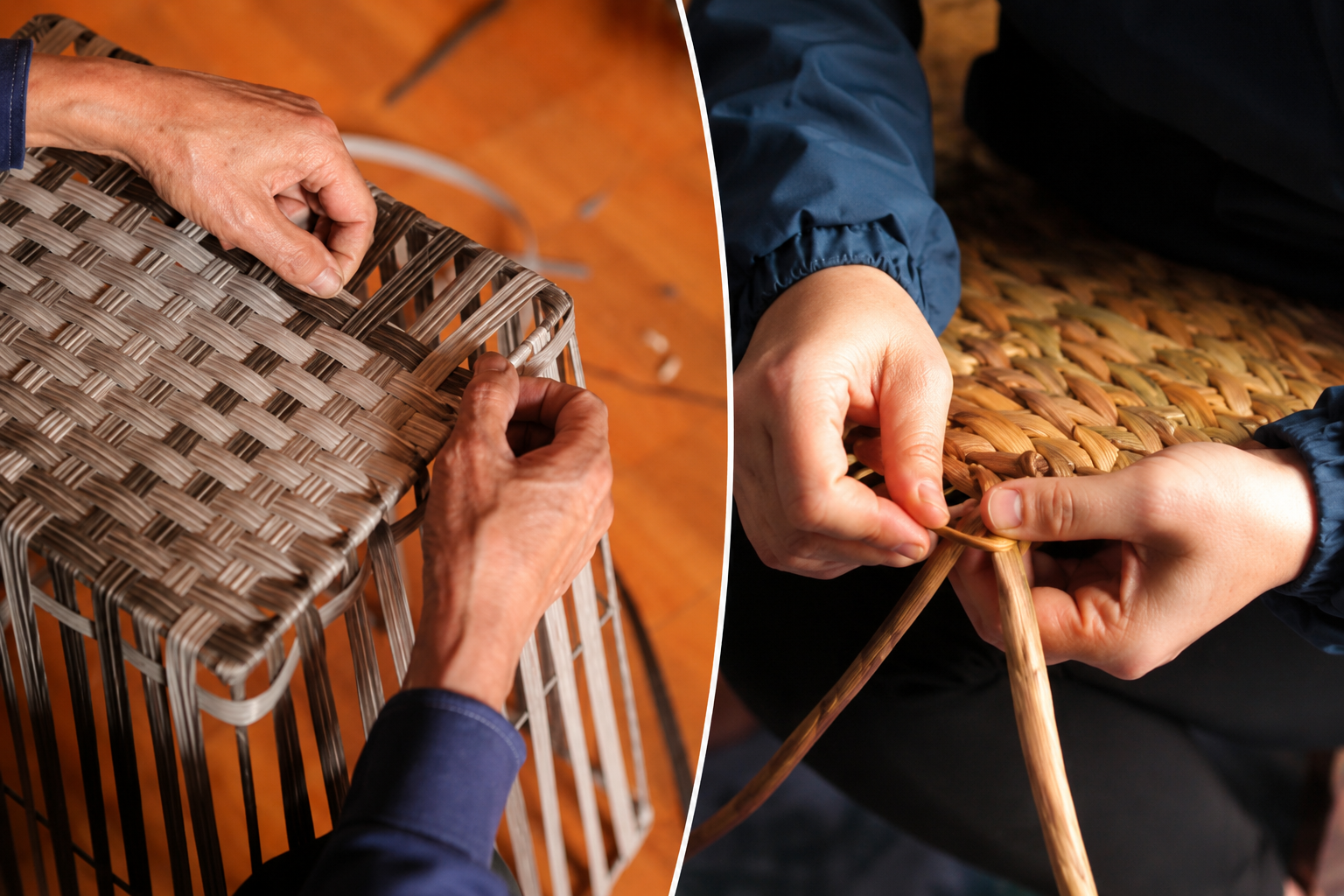
Modern commercial collections feature hybrid designs that fuse natural rattan with solid acacia wood frames, polished brass hardware, or ceramic inserts. This hybrid approach enhances structural stability and introduces modern luxury accents suitable for contemporary dining and lounge spaces.
4. Food-Safe Eco-Coatings and Water Resistance
Advancements in non-toxic, water-based lacquer finishes allow handcrafted rattan trays to resist moisture, oil stains, and frequent wiping, making them fully compliant with international food presentation standards.
FUTURE OUTLOOK: CUSTOMIZATION, COMPLIANCE, AND CIRCULAR SOURCING
Over the next three to five years, the demand for artisanal rattan accessories in international hospitality will accelerate. Sourcing decisions will no longer rely solely on design aesthetics, but will heavily prioritize supply chain auditability and manufacturing compliance.
Hospitality buyers are demanding full transparency from OEM/ODM partners. Manufacturers capable of maintaining social compliance and ethical labor standards—verified through international certifications such as BSCI, SMETA, SCAN, and ISO 9001:2015—will dominate global procurement channels.
STRATEGIC RECOMMENDATIONS FOR GLOBAL BUYERS AND DESIGNERS
To maximize return on investment and maintain brand consistency across international properties, hospitality buyers and interior designers should execute the following strategy:
- Partner with Audited Manufacturers: Ensure suppliers maintain social, quality, and security certifications (BSCI, SMETA, WCA, SCAN) to mitigate supply chain risks.
- Specify Commercial Coatings: Require food-grade, clear protective coatings to ensure long-term resistance against moisture and continuous daily cleaning.
- Leverage OEM/ODM Customization: Work directly with manufacturers like Phu Minh Co., Ltd to develop bespoke dimensions, custom color stains, and custom handle designs that reinforce hotel brand identity.
FAQ SECTION:
1- How do handcrafted rattan trays hold up to commercial cleaning in high-traffic hotels?
Commercial-grade rattan trays treated with food-safe protective lacquers resist moisture and stains, allowing them to be wiped clean with a damp cloth for daily hotel and restaurant use.
2- What certifications should global hospitality buyers require for rattan trays?
Buyers should look for BSCI and SMETA for social compliance, SCAN for supply chain security, and ISO 9001:2015 for standardized quality control in manufacturing.
3- Can natural rattan trays be customized to match specific hotel brand aesthetics?
Yes, OEM/ODM manufacturers offer extensive customization including weave patterns, frame materials like acacia wood, custom color stains, and custom hardware.
RELAVANT ARTICLES