The Future of Sustainable Retail: Integrating Plant-Based Storage and Eco-Packaging
KEY TAKEWAYS:
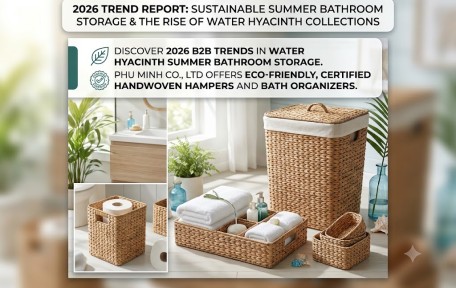
- Plant-based storage products made from renewable fibers such as seagrass, water hyacinth, and bamboo significantly reduce lifecycle carbon footprints compared to synthetic plastic alternatives.
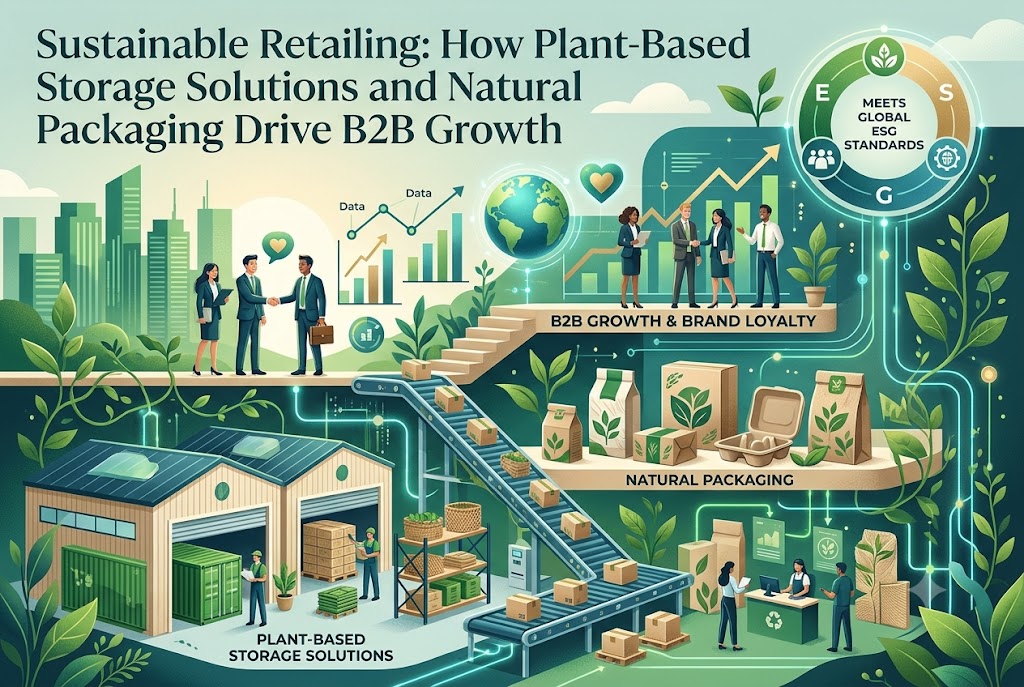
- Integrating natural packaging and plant-based home organization products enhances brand equity while satisfying rising consumer demand for circular eco-friendly living.
- Global buyers require rigorous supply chain audits including BSCI, SMETA, WCA, SCAN, and ISO 9001:2015 to ensure ethical labor and quality management in natural product manufacturing.
- Modular woven storage furniture and laundry hampers combining paper cords, acacia wood, and natural weaves represent high-growth categories for commercial interior design.
EXECUTIVE SUMMARY: THE GREEN SHIFT IN HOME ORGANIZATION AND RETAIL
Executive Summary
The global retail landscape is undergoing a systemic transformation driven by consumer demand for environmental responsibility and stringent regulatory mandates. Retailers and interior designers are pivoting away from single-use plastics toward renewable, bio-based materials. Integrating plant-based storage products—such as woven laundry hampers, storage furniture, and decorative baskets—alongside eco-friendly packaging serves as a critical strategic lever for commercial brands seeking competitive differentiation, supply chain resilience, and robust ESG compliance in 2026 and beyond.
CURRENT LANDSCAPE: DEMAND FOR BIO-BASED MATERIALS IN HOME DECOR
Current Landscape
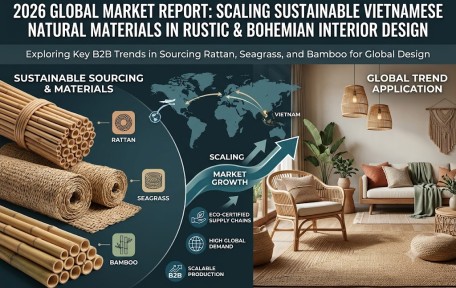
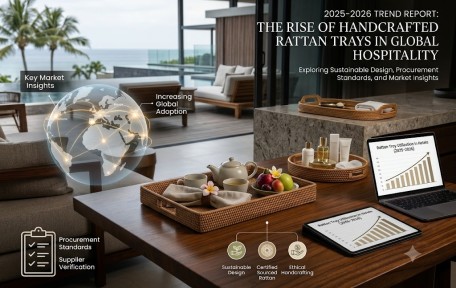
As sustainability transitions from a marketing preference to an operational necessity, natural materials such as seagrass, water hyacinth, rattan, bamboo, acacia, and pine wood are redefining functional home decor. Modern retail buyers prioritize material authenticity, structural longevity, and renewable sourcing. Plant-based storage solutions seamlessly bridge the gap between ecological responsibility and contemporary aesthetics, catering to upscale interior design trends and conscious consumers worldwide.
KEY TRENDS: HYBRID MATERIALS, ECO-PACKAGING, AND AUDITED SUPPLY CHAINS
Key Market Trends
1. Hybrid Material Construction
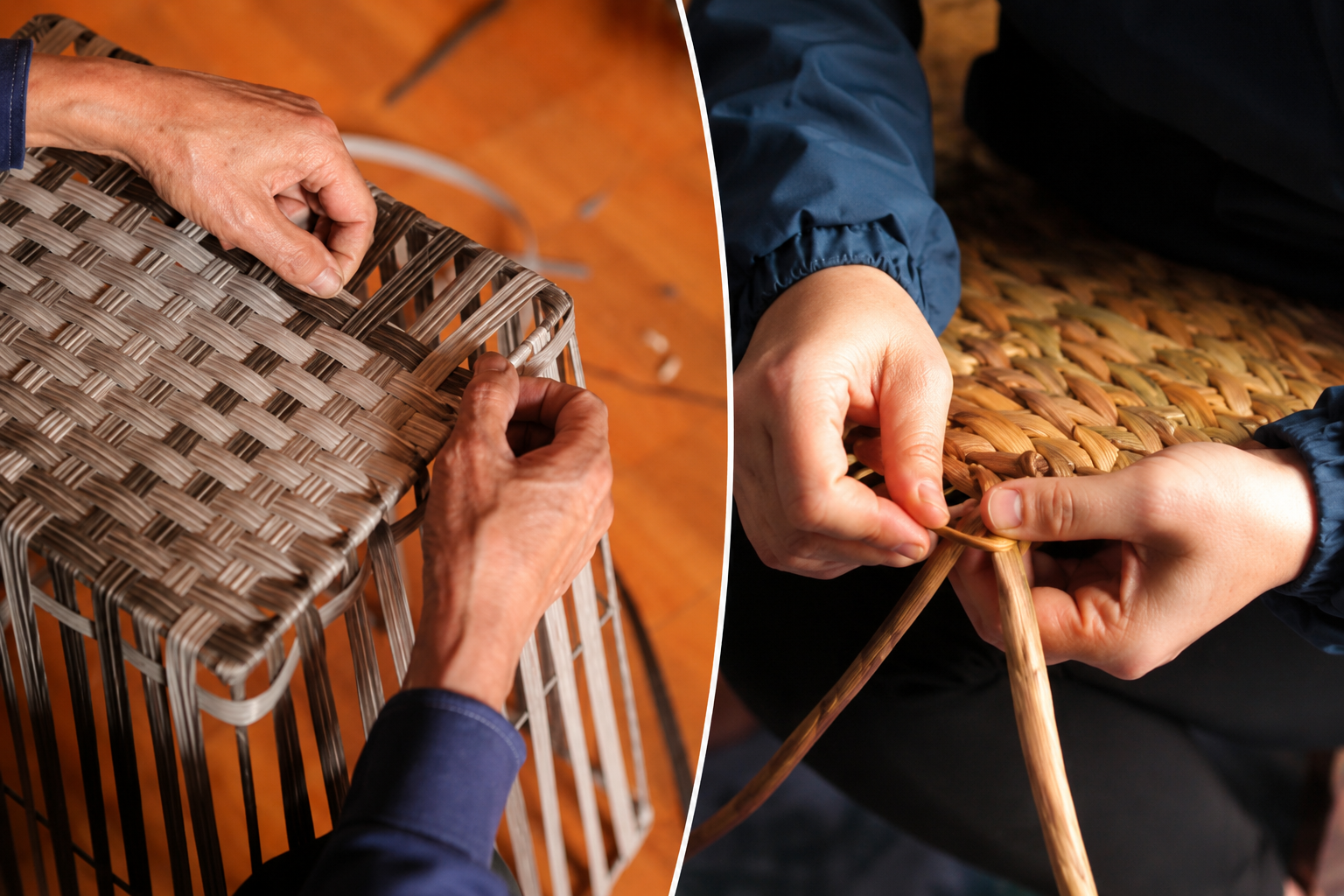
Leading manufacturers are combining natural fibers like paper cord, polyester/cotton ropes, and rattan with sturdy wooden frames or recyclable PP/PE resin accents to maximize structural durability while preserving natural appeal.
2. Integrated Eco-Packaging and Space Optimization
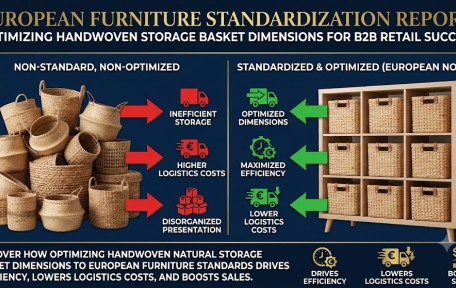
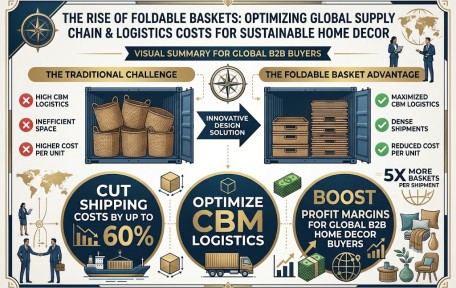
Retailers are adopting flat-packable and nestable natural storage baskets. Utilizing minimal-impact plant-based protective wraps drastically lowers transit volume, shipping costs, and overall carbon intensity.
3. Stringent Factory Audit Compliance
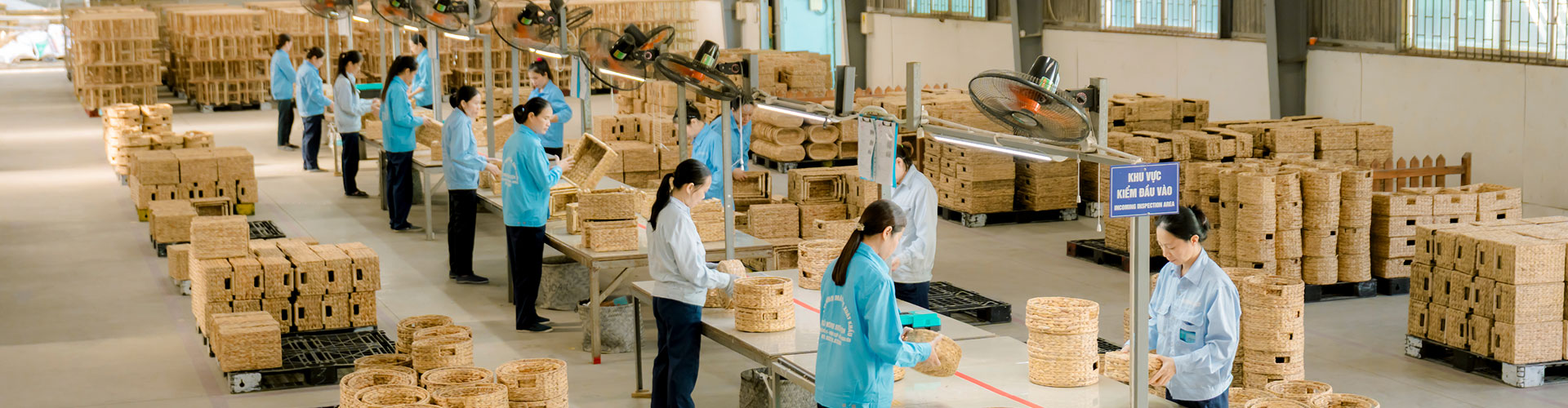
International retailers demand transparent, ethically verified supply chains. Alignment with global audit standards—such as BSCI, SMETA, WCA, SCAN, and ISO 9001:2015—has become a mandatory prerequisite for global sourcing contracts.
FUTURE OUTLOOK: CIRCULAR ECONOMY AND MATERIALS INNOVATION
Future Outlook
The next decade of home decor retail will focus on total circularity. Plant-based storage products will feature modular assembly systems, enabling full disassembly and complete biodegradability at the end of their lifecycle. Furthermore, handcrafted artisan production hubs in Vietnam will continue gaining global market share due to scalable, low-carbon manufacturing capability and renewable material availability.
STRATEGIC RECOMMENDATIONS FOR GLOBAL PROCUREMENT DIRECTORS AND DESIGNERS
Strategic Recommendations
To capture market share and de-risk supply chain operations, retail procurement leaders and interior designers should implement three key strategies:
- Partner with Audited Manufacturers: Source directly from OEM/ODM partners holding verifiable BSCI, SMETA, and ISO credentials to ensure compliance and quality assurance.
- Diversify Fiber Selections: Incorporate a balanced mix of water hyacinth, rattan, paper cord, and acacia wood items to offer multi-tiered price points across home organization lines.
- Prioritize Nestable Designs: Specify nestable storage baskets and laundry hampers to reduce container shipping footprints and optimize warehouse efficiency.
FAQ SECTION:
1- What are the primary benefits of plant-based storage products in sustainable retail?
Plant-based storage products made from rapidly renewable materials like seagrass, water hyacinth, and rattan offer biodegradable, low-carbon alternatives to plastic while delivering high durability and natural aesthetic appeal.
2- How do international supply chain audits support ethical sourcing of woven home decor?
Global standards such as BSCI, SMETA, WCA, SCAN, and ISO 9001:2015 verify fair working conditions, environmental responsibility, supply chain security, and consistent quality management across manufacturing facilities.
3- Are plant-based storage furniture items durable enough for commercial retail standards?
Yes, when engineered with solid acacia or pine wood frames and reinforced with high-grade paper cord, cotton rope, or natural fiber weaves, plant-based storage furniture meets demanding commercial durability and load-bearing requirements.
RELAVANT ARTICLES