How to Align Your Natural Fiber Decor Supply Chain with Net-Zero Targets: A Strategic Guide for Global Buyers
KEY TAKEAWAYS:
- Sourcing rapidly renewable materials like rattan, bamboo, seagrass, and water hyacinth significantly lowers Scope 3 supply chain carbon emissions.
- Partnering with audited Vietnamese manufacturers compliant with BSCI, SMETA, and ISO 9001:2015 ensures low-carbon, ethically transparent production.
- Optimizing product design through nestable laundry hampers and flat-pack storage furniture reduces container volume and shipping carbon footprints.
- Implementing lifecycle carbon audits empowers B2B buyers to satisfy global ESG reporting mandates and meet corporate Net-Zero goals.
THE NET-ZERO IMPERATIVE IN GLOBAL HOME DECOR SOURCING
Global regulatory frameworks, including the EU's Corporate Sustainability Due Diligence Directive (CSDDD) and expanding Scope 3 carbon reporting, are redefining international trade. For global retail buyers, procurement heads, and interior designers, decarbonizing supply chains is no longer optional—it is a core business mandate. In the home decor and storage sector, transitioning from synthetic, petroleum-derived materials or high-impact timber to rapidly renewable natural fibers like rattan, bamboo, water hyacinth, and seagrass provides a powerful path toward Net-Zero goals.
ESSENTIAL AUDITS AND STANDARDS BEFORE DECARBONIZING PROCUREMENT
Before transitioning supply chains toward net-zero targets, procurement teams must establish baseline metrics for sustainability and supplier risk. A successful green sourcing initiative requires clear criteria for both raw material lifecycles and manufacturing compliance.
1. Material Lifecycle Verification
Verify that raw materials—such as bamboo, rattan, acacia, pine wood, paper cord, and natural ropes—are harvested sustainably without driving deforestation or biodiversity loss.
2. International Compliance Frameworks
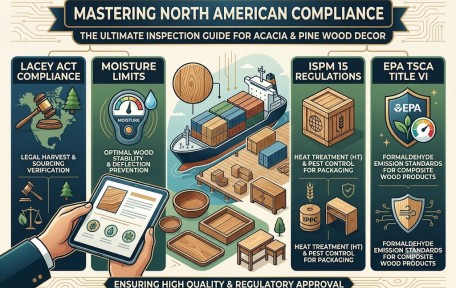
Ensure manufacturing partners hold recognized international certifications. Key standards include:
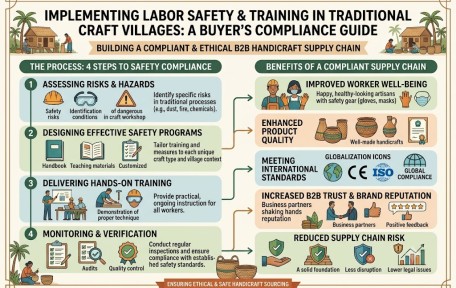
- BSCI & SMETA: Verification of social responsibility, fair working conditions, and ethical labor.
- ISO 9001:2015: Quality management systems ensuring operational efficiency and low defect rates.
- SCAN & WCA: Comprehensive workplace environment and facility security audits.
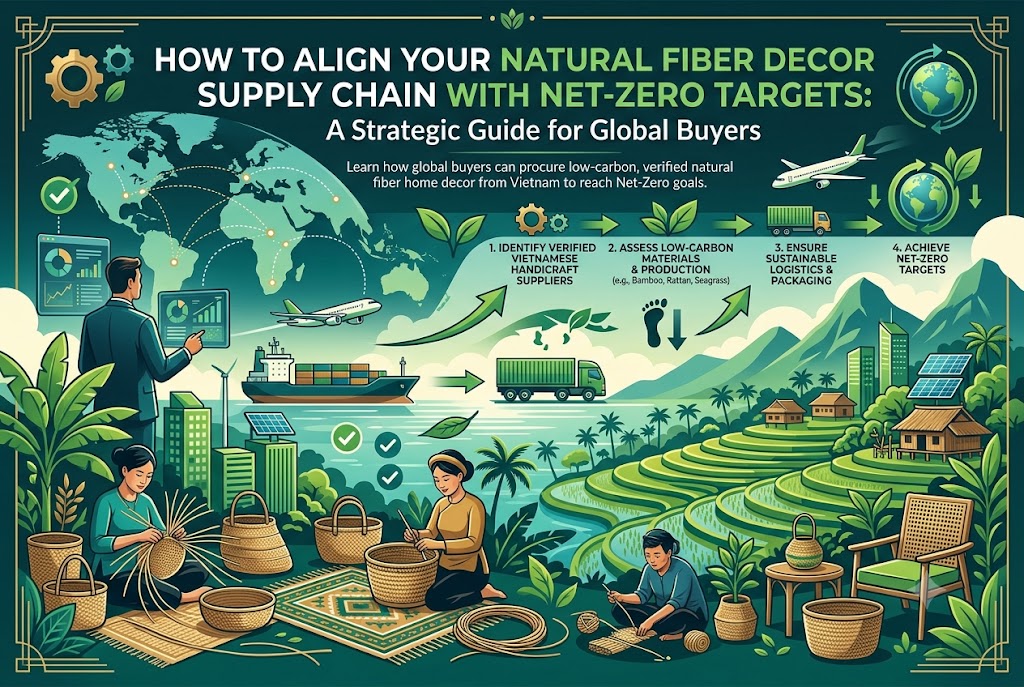
STEP 1: AUDIT SCOPE 3 EMISSIONS ACROSS MATERIAL LIFECYCLES
The first practical step in aligning procurement with Net-Zero is calculating the embodied carbon of product materials. Fast-growing perennial fibers such as bamboo and rattan absorb substantial atmospheric CO2 during their 3-to-5-year growth cycles, acting as effective carbon sinks.
By substituting plastic storage units or slow-growing hardwoods with woven water hyacinth baskets, seagrass trays, or paper cord accessories, importers can dramatically decrease initial Scope 3 material carbon intensity.
STEP 2: PARTNER WITH AUDITED, LOW-CARBON MANUFACTURERS
Material choice alone cannot guarantee a Net-Zero supply chain; production practices must also reflect clean energy and waste reduction standards. Global buyers should align with vertically integrated manufacturers who implement energy-efficient processing methods.
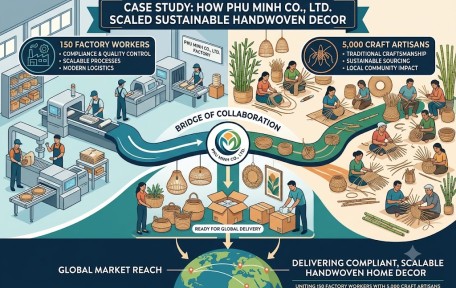
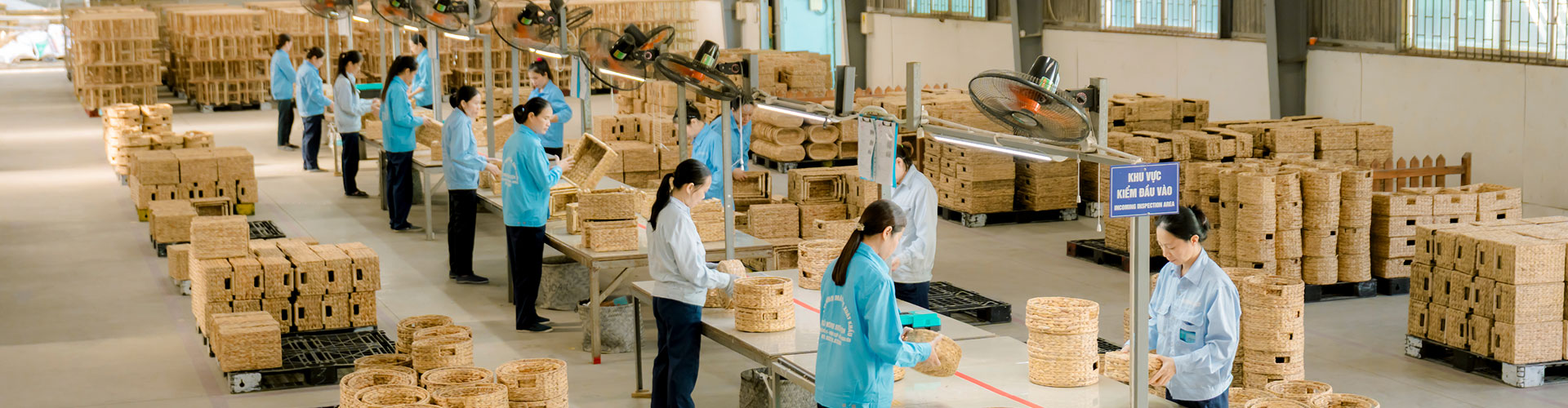
At Phu Minh Co., Ltd, traditional weaving expertise is paired with modern quality controls under ISO 9001:2015 and BSCI guidelines. Utilizing solar-assisted drying systems, non-toxic water-based finishes, and recyclable PE/PP resins when synthetic reinforcement is required ensures that processing emissions remain minimal across all home decor and storage lines.
STEP 3: OPTIMIZE PACKAGING, SHIPPING, AND CIRCULAR DESIGN
Logistics often represent a substantial fraction of imported home decor carbon footprints. To minimize transport emissions, work directly with manufacturer design teams during product development:
- Nestable Designs: Specify graduated sizes for woven laundry hampers and storage baskets so products nest inside one another, maximizing container load density.
- Flat-Pack Storage Furniture: Combine solid acacia or pine wood frames with foldable rattan paneling to reduce shipping air volume by up to 60%.
- Sustainable Packaging: Replace single-use plastic wrapping with bio-degradable paper cords or recycled cotton wraps.
FUTURE-PROOFING YOUR BRAND THROUGH SUSTAINABLE SOURCING
Achieving Net-Zero supply chains requires structured, step-by-step collaboration between international buyers and transparent manufacturing partners. By leveraging Vietnam's rich natural fiber heritage and choosing fully audited partners like Phu Minh Co., Ltd, global brands can build resilient, compliant, and low-carbon product portfolios that appeal to eco-conscious consumers worldwide.
FAQ SECTION:
1- How does switching to rattan and bamboo decor support corporate Net-Zero goals?
Bamboo and rattan are rapidly renewable perennial plants that mature in 3 to 5 years, sequestering high volumes of carbon during growth and offering significantly lower life-cycle carbon footprints than synthetic plastics or heavy timber.
2- What compliance certifications should buyers look for in Vietnamese handicraft exporters?
Key international audits include BSCI and SMETA for social compliance, ISO 9001:2015 for quality control, and SCAN or WCA for workplace safety and facility management.
3- How can B2B buyers lower transport emissions for imported woven storage products?
Buyers can request nestable basket designs, modular storage configurations, and knock-down flat-pack furniture to optimize container volume and lower shipping carbon footprint per unit.
RELAVANT ARTICLES