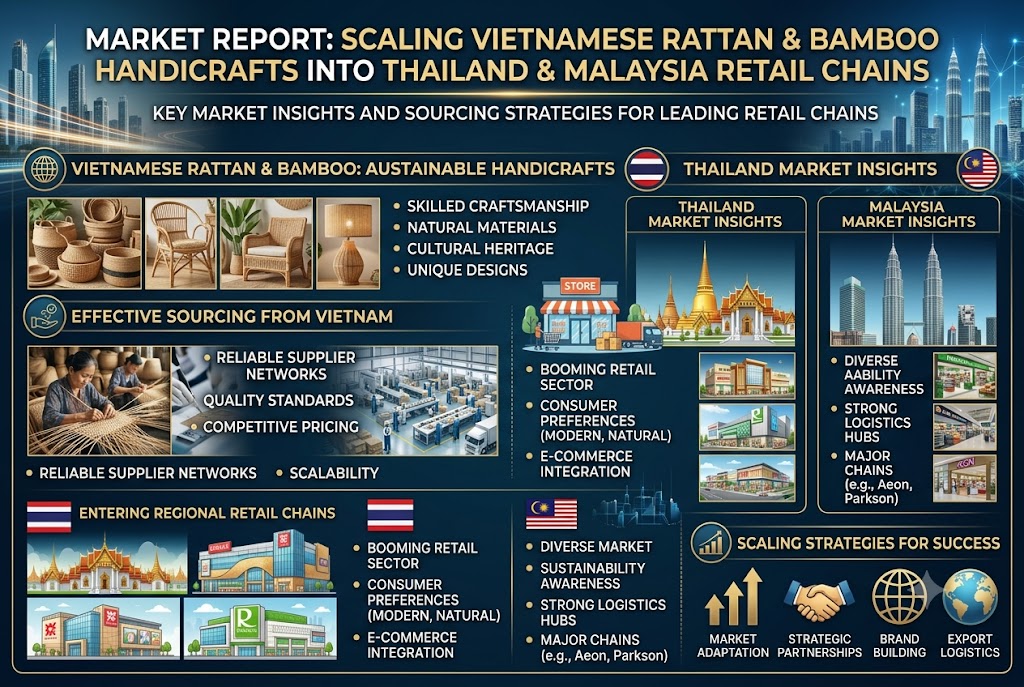
Market Report: Scaling Vietnamese Rattan & Bamboo Handicrafts into Thailand & Malaysia Retail Chains
KEY TAKEAWAYS:
- Vietnam's rattan, bamboo, seagrass, and water hyacinth handicrafts offer high-margin, sustainable storage solutions tailored for Southeast Asian retail chains.
- Rapid urbanization and eco-conscious hospitality expansion in Thailand and Malaysia drive urgent procurement demand for certified woven home decor.
- Strict international compliance with BSCI, SMETA, SCAN, and ISO 9001:2015 ensures seamless retail supply chain integration across ASEAN trade corridors.
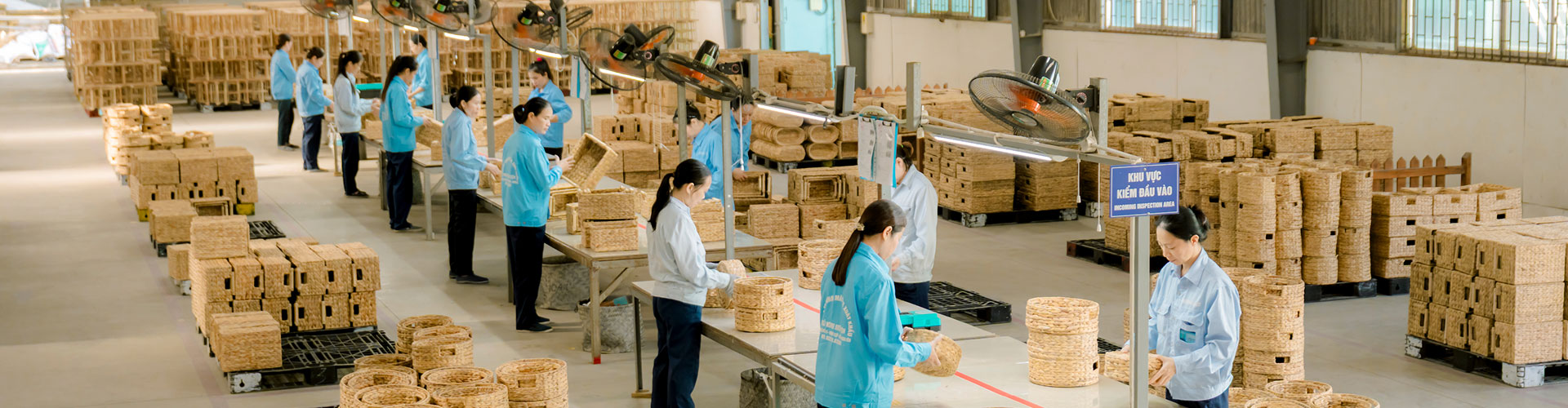
- Phu Minh Co., Ltd provides scalable OEM/ODM manufacturing and reliable quality control for premium woven hampers, storage solutions, and accent furniture.
EXECUTIVE SUMMARY: THE ASEAN SUSTAINABLE DECOR OPPORTUNITY
As modern consumer preferences shift toward eco-friendly living across Southeast Asia, retail giants in Thailand and Malaysia are actively diversifying their supply chains with premium natural materials. Vietnam's woven handicraft sector—celebrated for master craftsmanship in rattan, bamboo, water hyacinth, and seagrass—stands at the forefront of this market evolution. Phu Minh Co., Ltd presents this comprehensive market report to outline strategic sourcing pathways for global retail buyers, interior designers, and procurement managers expanding across ASEAN retail markets.
CURRENT LANDSCAPE: DYNAMIC RETAIL GROWTH IN THAILAND AND MALAYSIA
Thailand and Malaysia represent two of the fastest-growing home organizational and decor markets in Southeast Asia. Driven by booming urban housing projects, boutique hospitality expansion, and heightened consumer awareness regarding plastic reduction, major retail chains are restructuring their product portfolios.
- Thailand: High demand for artisanal hospitality decor, natural storage furniture combining acacia or pine wood with handwoven paper cord, and luxury woven rattan accents.
- Malaysia: Rapid expansion across modern retail department stores seeking eco-conscious laundry hampers, seagrass storage baskets, and versatile PE resin or cotton rope organizational accessories.
KEY TRENDS SHAPING SOURCING AND PRODUCT PREFERENCES
Procurement teams entering or expanding in ASEAN must align with three macro sourcing trends currently driving consumer decisions:
1. Hybrid Material Design
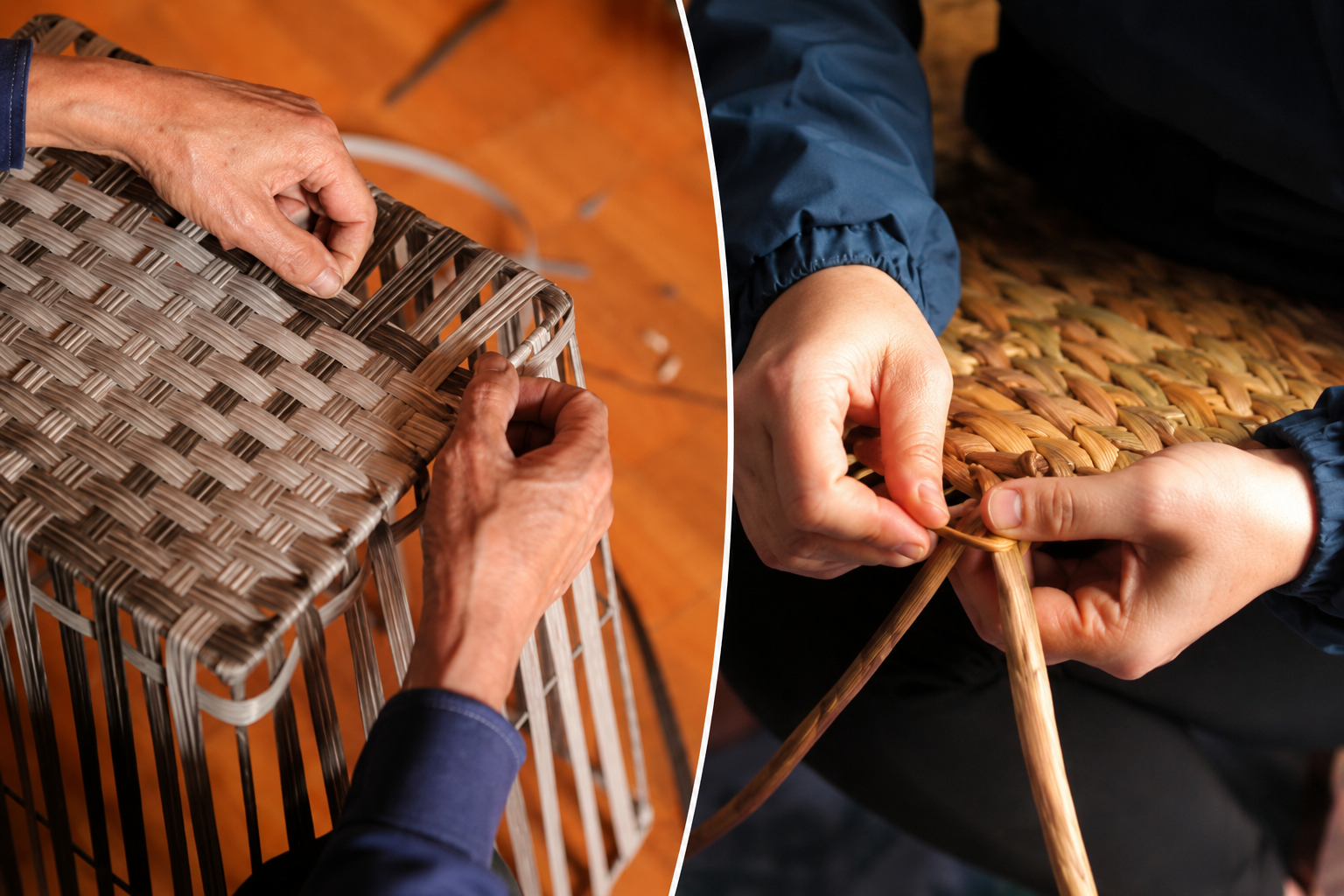
Modern consumers seek durability paired with organic warmth. Combining solid acacia or pine wood frames with intricate seagrass, water hyacinth, or polyester rope weaving creates robust storage units engineered for tropical living.
2. High-Functionality Storage Solutions
Space-saving laundry hampers, modular storage boxes, and multi-functional woven ottomans consistently lead category sales across Bangkok and Kuala Lumpur retail outlets.
3. Uncompromising Ethical & Quality Compliance
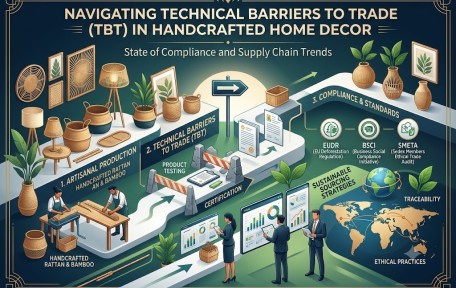
Top-tier regional retailers mandate complete vendor compliance. Standardized international audits including BSCI, SMETA, WCA, SCAN, and ISO 9001:2015 have transitioned from competitive advantages to non-negotiable entry requirements.
FUTURE OUTLOOK: SUPPLY CHAIN RESILIENCE AND MATERIAL INNOVATION
The upcoming fiscal cycles will see accelerated demand for traceably sourced bio-based materials. Vietnamese manufacturers like Phu Minh Co., Ltd are pioneering hybrid material innovations—integrating sustainable paper cord, recycled PE resin, and sustainably harvested bamboo to meet strict regional environmental directives. Retailers establishing direct OEM/ODM partnerships with certified Vietnamese factories will gain significant advantages in lead times, quality consistency, and margin flexibility.
STRATEGIC RECOMMENDATIONS FOR GLOBAL SOURCING BUYERS
To successfully capture market share in Thailand and Malaysia's competitive retail sectors, global buyers should implement the following strategic steps:
- Leverage Established OEM/ODM Expertise: Partner with experienced manufacturers capable of custom prototype development and rapid factory scaling.
- Prioritize Verified Compliance: Ensure manufacturing partners maintain active BSCI, SMETA, and SCAN audits to eliminate supply chain and regulatory risks.
- Optimize Packaging and Logistics: Utilize nested basket designs and flat-pack storage furniture structures to minimize sea and overland freight costs across ASEAN trade routes.
FAQ SECTION:
1- Why are Vietnamese rattan and bamboo products preferred in Thailand and Malaysia?
Vietnam offers rich raw material reserves (rattan, seagrass, water hyacinth, bamboo), century-old artisanal heritage, competitive pricing, and audit-ready manufacturing facilities capable of supporting large-scale retail demands.
2- What compliance standards are required to supply regional retail chains?
Leading retail chains require social compliance, security, and quality certifications such as BSCI, SMETA, SCAN, WCA, and ISO 9001:2015.
3- How does Phu Minh Co., Ltd support custom OEM/ODM requests for retail chains?
Phu Minh Co., Ltd provides complete end-to-end design customization, material experimentation (wood, metal, woven natural fibers), quick prototype development, and strict mass production quality control.
4- What natural materials are best suited for humid Southeast Asian environments?
Treated rattan, bamboo, seagrass, and synthetic options like PP/PE resin combined with acacia wood offer superior moisture resistance and long-lasting durability in tropical climates.
RELAVANT ARTICLES