European Home Storage Market Report: Consumer Shifts and Sourcing Dynamics in Germany and France
KEY TAKEAWAYS:
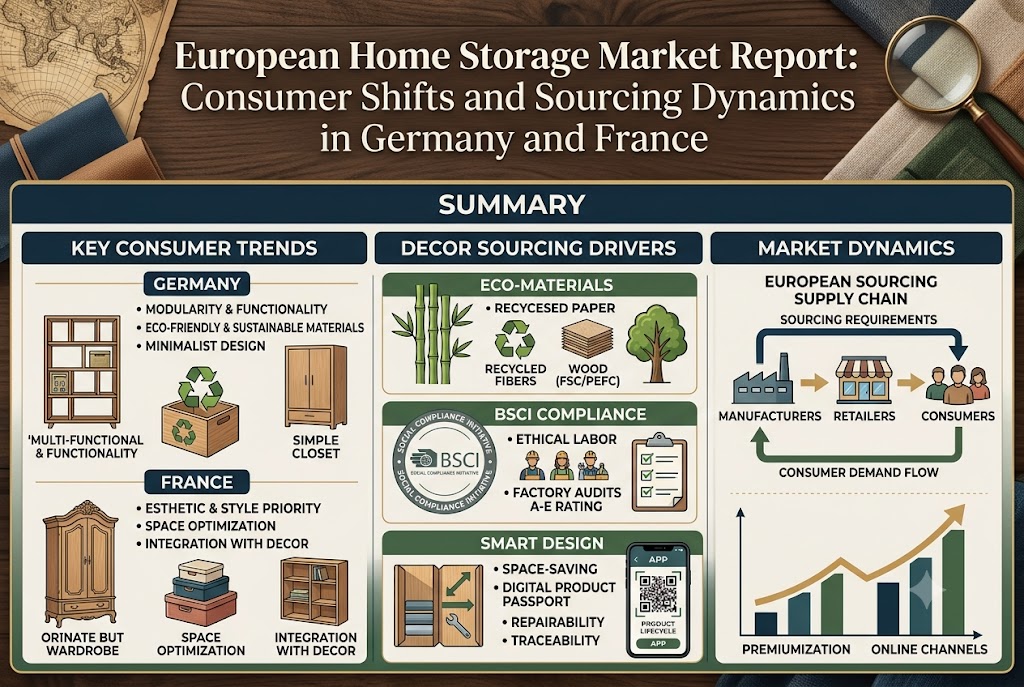
- German consumers prioritize modular design, spatial efficiency, and verifiable sustainability credentials such as BSCI and ISO 9001:2015.
- French buyers show a strong preference for artisanal aesthetics, natural woven textures like rattan and seagrass, and organic interior harmony.
- Sustainable material innovation using water hyacinth, bamboo, paper cord, and FSC-certified wood is replacing conventional plastics in European storage solutions.
- Strategic compliance with international ESG standards (SMETA, SCAN, WCA) is now a mandatory prerequisite for B2B importers serving Western Europe.
EXECUTIVE SUMMARY: THE EVOLVING EUROPEAN HOME STORAGE LANDSCAPE
Executive Summary
The European home storage and organization market is undergoing a structural transformation driven by urbanization, shrinking living spaces, and heightened environmental awareness. Germany and France, representing the two largest consumer economies in Western Europe, showcase distinct yet converging purchasing behaviors. Consumers in these markets are increasingly seeking high-functionality storage solutions that double as elevated interior accents.
For global buyers, retail sourcing directors, and interior designers, success in these key territories requires a deep alignment between design aesthetic, material selection, and rigorous supply chain compliance. This report analyzes current market drivers, consumer material preferences, and strategic sourcing imperatives for B2B stakeholders aiming to capture market share in Germany and France.
CURRENT MARKET LANDSCAPE: STRUCTURAL DEMAND IN GERMANY VS. FRANCE
Current Market Landscape
While both markets demand sustainable and durable organization products, consumer motivations in Germany and France reflect unique cultural priorities:
Germany: Precision, Functionality, and Certified Sustainability
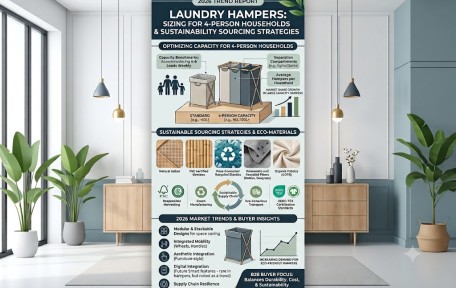
In Germany, the demand for storage solutions is heavily influenced by spatial efficiency and practical utility. German consumers favor modular storage furniture, heavy-duty laundry hampers, and structured organizational boxes. Environmental transparency is paramount; purchasing decisions are closely tied to verified eco-labels, material longevity, and ethical manufacturing practices.
France: Art de Vivre, Natural Textures, and Aesthetic Cohesion
French consumers view home storage as an extension of interior architecture. The concept of 'Art de Vivre' drives demand for decorative storage baskets, woven accent hampers, and handcrafted accessories. Natural materials like seagrass, water hyacinth, and rattan are highly favored for their warm, organic aesthetic that seamlessly blends into contemporary Japandi and Mediterranean interiors.
KEY CONSUMER TRENDS DRIVING HOME DECOR & STORAGE SOURCING
Key Consumer Trends
To win order volumes from tier-one European retailers, B2B buyers must align product development with three overarching consumer shifts:
1. Natural Material Primacy
Synthetic plastic containers are losing shelf space to bio-based, natural alternatives. High-demand material combinations include:
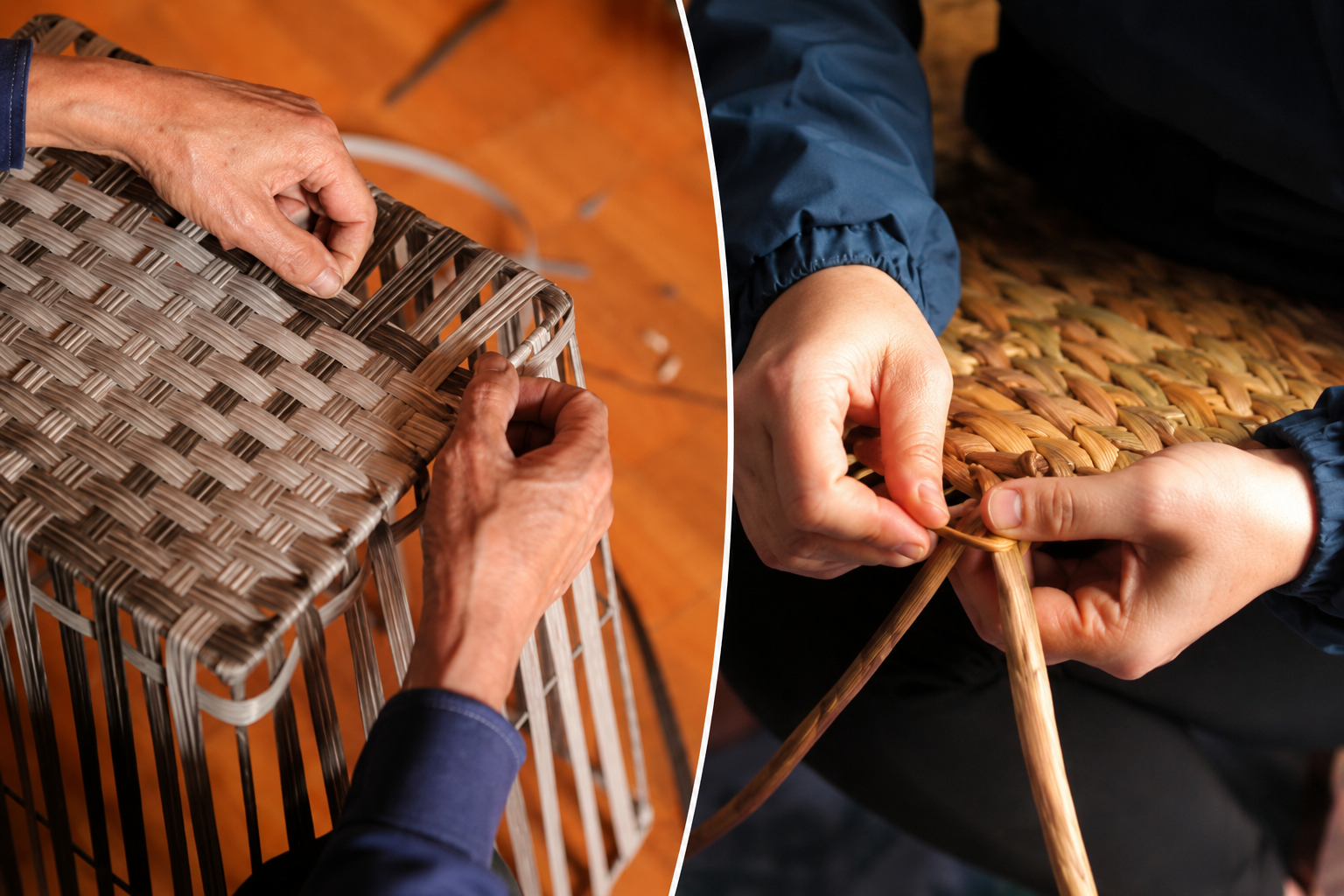
- Woven Natural Fibers: Seagrass, water hyacinth, and rattan for breathable laundry hampers and living room storage.
- Engineered Natural Cords: Paper cords and cotton/polyester blended ropes for clean, modern aesthetic baskets.
- Solid Wood Accents: Acacia and pine wood frames providing structural integrity to woven storage furniture.
2. Multi-Functional & Space-Saving Designs
As apartment footprints shrink in major hubs like Paris, Munich, Berlin, and Lyon, versatility is non-negotiable. Top-performing categories include nesting basket sets, foldable woven hampers, and storage benches that combine seating with hidden compartments.
3. The Compliance Imperative (ESG & Social Audits)
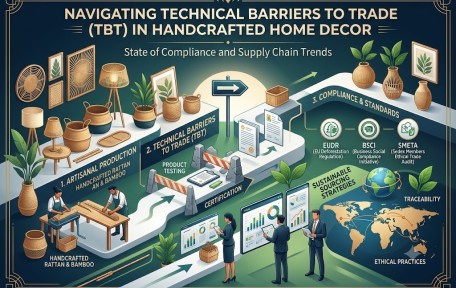
European retailers face strict due diligence mandates. Importers demand manufacturing partners holding recognized international certifications, including BSCI, SMETA, WCA, SCAN, and ISO 9001:2015, ensuring ethical labor practices and consistent quality control.
FUTURE OUTLOOK: WHAT BUYERS MUST PREPARE FOR IN 2026 AND BEYOND
Future Outlook
The European home storage sector will accelerate its transition toward full circularity over the coming years. Key developments to monitor include:
- Increased Regulatory Scrutiny: Stricter EU regulations regarding carbon footprints and supply chain transparency will favor manufacturers with direct, traceable material sourcing.
- Hybrid Material Innovation: Greater integration of PE/PP outdoor resin weaves with natural wood for weather-resistant storage solutions suitable for balconies and terraces.
- Custom OEM/ODM Demand: Retailers will increasingly require customized dimensions and private-label collections tailored to compact European living spaces.
STRATEGIC RECOMMENDATIONS FOR SOURCING EXECUTIVES
Strategic Recommendations
To capitalize on growing demand in Germany and France, international buyers and brand managers should implement the following supply chain strategies:
1. Diversify Material Portfolio
Curate catalog offerings that combine functional durability with organic aesthetics—pairing solid acacia frames with hand-woven water hyacinth or paper cord weaves.
2. Partner with Certified Manufacturers
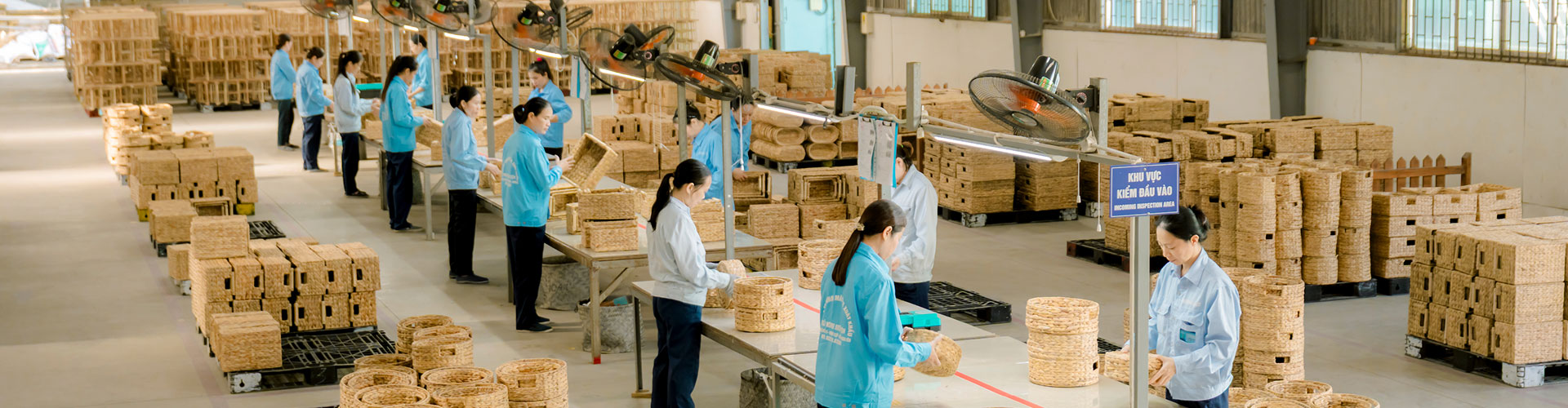
Mitigate regulatory risks by partnering with established OEM/ODM exporters like Phu Minh Co., Ltd., whose manufacturing facilities maintain full BSCI, SMETA, and ISO 9001:2015 compliance.
3. Prioritize Flat-Pack & Nestable Product Engineering
Optimize international freight costs and retail packaging by selecting nestable basket sets and collapsible storage designs, maximizing margin potential amidst fluctuating global logistics costs.
FAQ SECTION:
1- What natural materials are most popular for home storage in Germany and France?
Rattan, seagrass, water hyacinth, bamboo, paper cord, and FSC-certified acacia or pine wood are the most requested materials due to their durability, tactile warmth, and eco-friendly credentials.
2- Why are social audit certifications like BSCI and SMETA essential for selling storage products in Western Europe?
European supply chain due diligence laws require importers and retailers to verify ethical labor standards, safe working conditions, and environmental compliance across their manufacturing partners.
3- How do consumer storage preferences differ between German and French markets?
German buyers prioritize structural utility, space optimization, and certified durability, whereas French buyers focus on artisanal design, warm natural textures, and decorative interior integration.
4- Can Phu Minh Co., Ltd support custom OEM/ODM home storage designs for European brands?
Yes, Phu Minh Co., Ltd provides complete OEM/ODM manufacturing services, specializing in handcrafted storage solutions utilizing rattan, seagrass, water hyacinth, wood, and eco-friendly cords fully compliant with ISO 9001:2015 and BSCI standards.
RELAVANT ARTICLES